




The Artist's Himalayan Muse
The soul of Naggar's art scene lives at the Roerich Estate. If that name doesn't ring a bell, it should. Nicholas Roerich was a Russian-born artist, writer, and philosopher who, after a dramatic life that took him from St. Petersburg to New York, settled
in this tranquil corner of the Kullu Valley in 1929. He wasn't just a painter; he was a Nobel Peace Prize nominee and a mystic who believed the Himalayas were a source of profound spiritual energy. His former home is now a gallery showcasing his breathtaking paintings of the mountains. His canvases are famous for their unique, almost glowing, shades of blue and purple, capturing the ethereal light of the high peaks. A visit here isn't just about looking at art; it's about stepping into the world of a man who saw these mountains as a gateway to another realm. You can walk through his studio, see his personal effects, and feel the creative current that still runs through the property.
A Castle Built for a King
Long before Roerich arrived, Naggar was the capital of the Kullu kingdom for over 1,400 years. The historical heart of the town is Naggar Castle, a magnificent structure built around 1460 AD. Forget European stone fortresses; this is a masterpiece of Kath-Kuni architecture, a traditional Himalayan style that uses interlocking layers of timber beams and stacked stones without mortar. This clever design makes the structure remarkably resilient to earthquakes. As you wander its courtyards, wooden balconies, and a small temple dedicated to the goddess Jagtipath, you're walking through centuries of history. The castle offers jaw-dropping panoramic views of the Beas River valley and the surrounding snow-capped peaks. Today, it's managed as a heritage hotel, meaning you can not only visit but also sip a cup of chai on its terrace and feel like royalty for an afternoon.
The Spiritual Undercurrent
Naggar’s historical energy isn't confined to the castle. The town is dotted with ancient temples that feel deeply integrated into the landscape and daily life. The Tripura Sundari Temple, with its distinctive multi-tiered pagoda roof, is an architectural gem. Nearby, the Gauri Shankar Temple, a stone structure believed to date back to the 11th or 12th century, showcases intricate carvings and exudes an air of ancient reverence. These aren't just museum pieces; they are active places of worship where the town's spiritual pulse can be felt. Exploring these sites provides a quiet, contemplative counterpoint to the grander attractions, grounding your visit in the local culture that has thrived here for millennia.
Planning Your Himalayan Escape
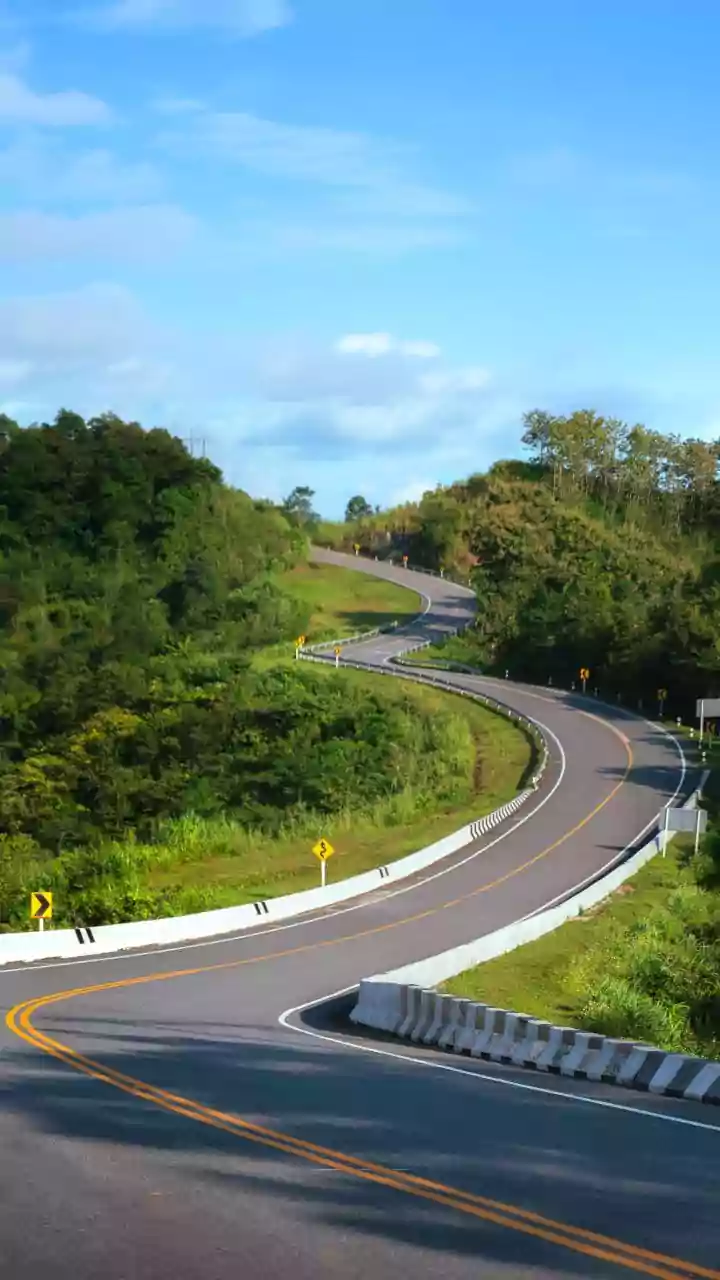
Naggar delivers its magic most powerfully between April and June, when the weather is pleasant, the valleys are lush, and the high-altitude chill has subsided—perfectly aligning with the summer travel season. Getting there is part of the adventure. The nearest airport is in Bhuntar (Kullu), about an hour's drive away. From there, a winding road takes you up into the mountains, leaving the chaos of bigger Indian cities far behind. Naggar is for the traveler who prefers atmosphere over amenities, quiet reflection over crowded nightlife. It's ideal for artists, writers, history buffs, and anyone looking to connect with a destination on a deeper level. The town has a range of guesthouses and small hotels, many offering stunning mountain views right from your window. It’s a place to slow down, walk the village paths, and let the scenery and history seep in.