


The Symphony of the First Rains
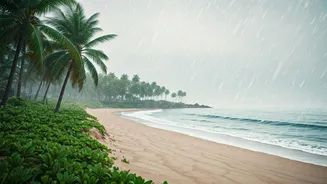
It begins not with a whimper, but with a dramatic overture. The air, thick with the humid promise of summer, finally breaks. The first drops are heavy, deliberate, each one a drumbeat on the terracotta roof tiles and dusty roads. They kick up the intoxicating
scent of petrichor—the earthy perfume of rain meeting dry soil. This isn't just weather; it's an event. The sky becomes a canvas of brooding grays and purples, occasionally split by a slash of lightning that illuminates the swaying palms. The constant, rhythmic drumming of the rain becomes the soundtrack to life. It’s a sound that doesn’t disrupt but envelops, forcing a slowdown, a moment of pause. The frantic energy of peak season dissolves, replaced by a cozy, introspective calm.
A Landscape Reborn in Emerald
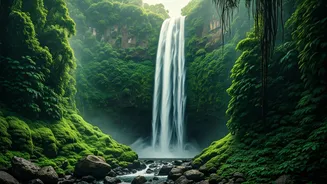
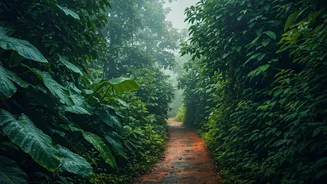
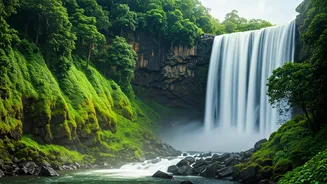
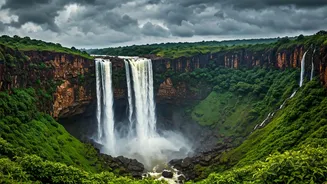
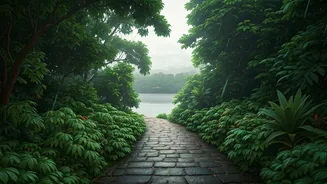
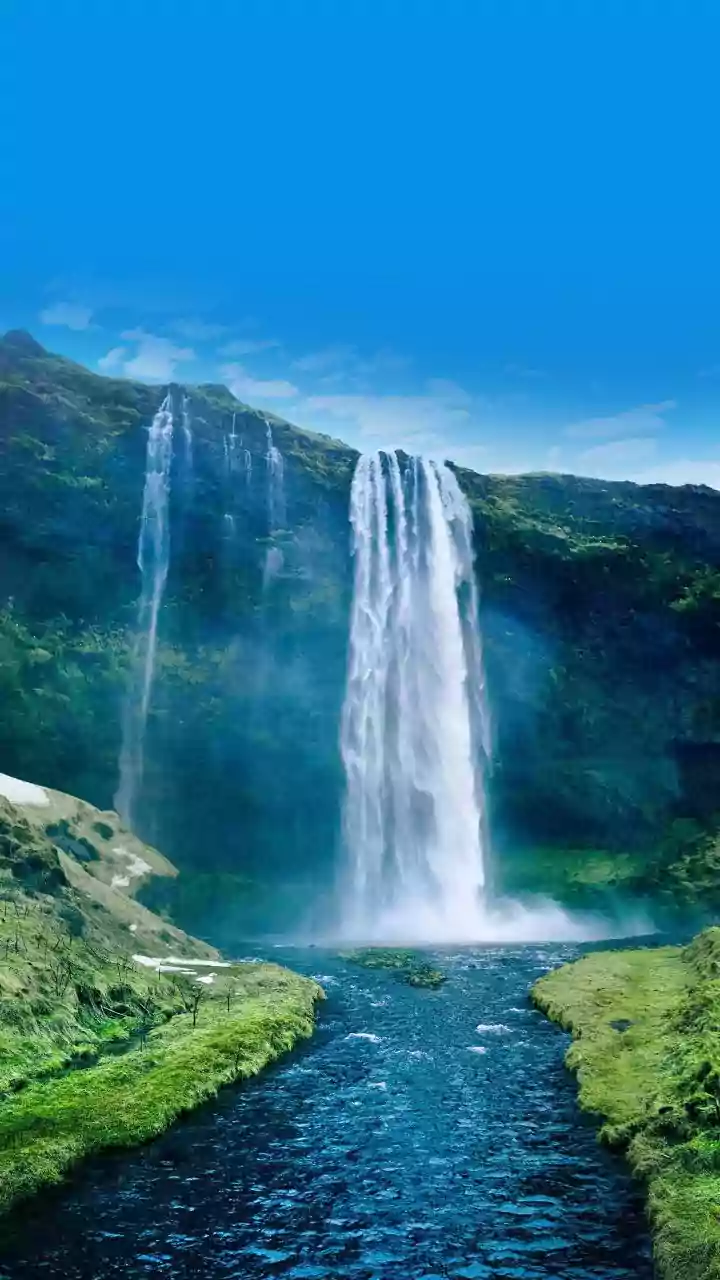
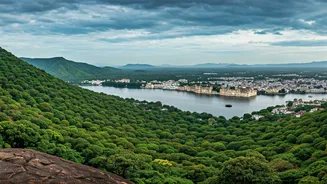
The most startling transformation is the color. Under the monsoon’s persistent touch, Goa’s landscape explodes into a thousand shades of green. The hills of the Western Ghats, parched and brown just weeks before, are suddenly cloaked in a vibrant, velvety carpet. Rice paddies become liquid mirrors, reflecting the dramatic sky. The state’s famous spice plantations in areas like Ponda are at their most fragrant and lush, the leaves of cardamom, vanilla, and pepper plants glistening with moisture. This is the time to witness waterfalls in their full, roaring glory. The famous Dudhsagar Falls, whose name means “Sea of Milk,” thunders down the mountainside, a truly awesome spectacle that’s a mere trickle in the dry season. The journey there, often involving a jeep ride through forested streams, is an adventure in itself.
The Luxury of Solitude
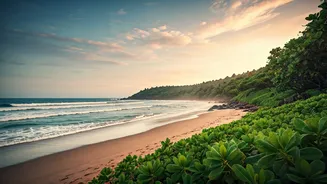
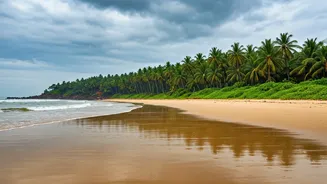
For many American travelers accustomed to Goa’s reputation as a party capital, the monsoon’s greatest luxury is its quiet. The beach shacks that line the coast in winter are mostly packed away, leaving behind vast, empty stretches of sand. A walk along a deserted Anjuna or Morjim beach, with the wind whipping your hair and the Arabian Sea churning before you, is a meditative experience. The crowds vanish. You can find a table at the best restaurants without a reservation. Prices for beautiful Portuguese-style villas and boutique hotels drop significantly, making a touch of luxury far more accessible. It’s a chance to see Goa as the locals do, to find a cozy corner in a cafe in Panjim’s Latin Quarter, sip a hot chai, and watch the world go by at a leisurely, rain-soaked pace.
A Different Kind of Adventure
While swimming in the rough seas is off-limits, the monsoon opens up new avenues for exploration. It’s the perfect season for a different kind of adventure—one rooted in nature and culture. Rent a scooter and drive through the winding inland roads of South Goa, where every turn reveals another impossibly green vista. Explore the historic churches of Old Goa, their ancient stones seeming more profound against a backdrop of stormy skies. Visit a feni distillery to sample the potent local cashew spirit, a perfect way to warm up on a cool, rainy evening. The romance of monsoon Goa isn't found in a nightclub, but in the quiet thrill of discovering a hidden waterfall, sharing a delicious Goan fish curry while rain drums on the roof, or simply reading a book on a covered balcony, lulled by the symphony of the storm.