




The Himalayan Secret
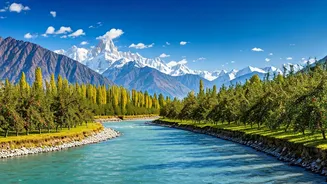
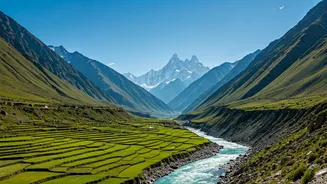
Tucked away in the high-altitude state of Uttarakhand in northern India, Harsil is a jewel that many travelers miss. Situated on the banks of the Bhagirathi River at an elevation of over 8,500 feet, this valley is a world away from the bustling chaos
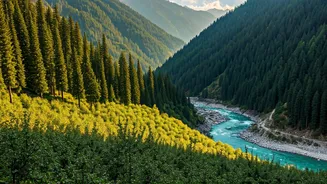
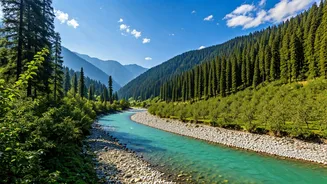
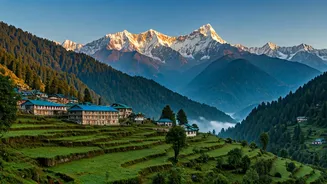
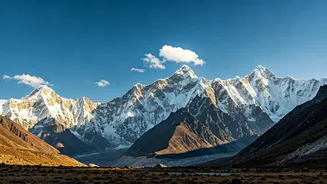
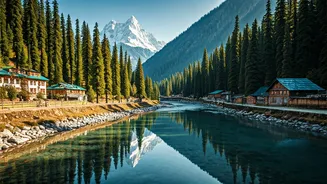
of India's major cities. Unlike more famous Himalayan hill stations, Harsil has retained a quiet, almost untouched charm. Its landscape is a breathtaking tapestry of dense deodar forests, wide riverbanks, and terraced fields, all cradled by towering, majestic peaks. For years, it was primarily known to devout pilgrims and hardy trekkers heading toward the sacred Gangotri glacier. But a different kind of bounty has redefined the valley’s identity and turned it into an idyllic destination for those seeking tranquility.
The Man Who Planted Apples
The story of Harsil’s transformation is inseparable from the story of its apples, and that story begins with a renegade Englishman named Frederick “Pahari” Wilson. An adventurer who reportedly deserted the British Army in the mid-19th century, Wilson settled in the Harsil valley, married a local woman, and became a local legend known as “Pahari Wilson” (Wilson of the Hills). Seeing the region's commercial potential, he introduced potatoes and beans, but his most enduring legacy was the introduction of apple orchards. He planted the first apple saplings, finding the cool climate and fertile soil perfect for cultivation. The venture was a resounding success. The apples that grew here—crisp, juicy, and sweet—became famous, and the orchards he planted forever changed the valley's landscape and economy.
A Valley in Full Bloom
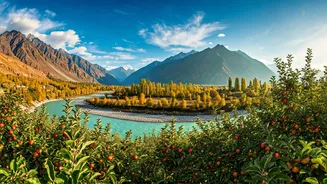
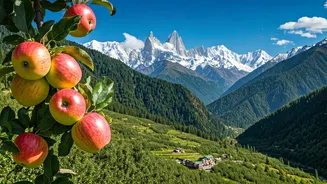
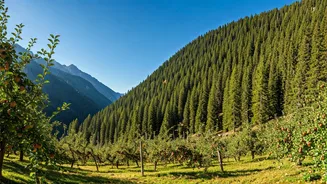
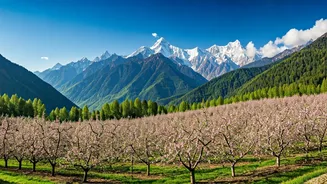
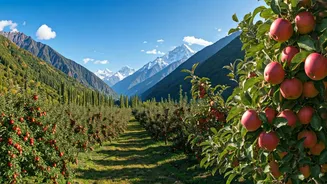
Today, Wilson's legacy blankets the valley. To visit Harsil is to be enveloped by the world he helped create. In spring, the valley is a vision in white and pink as the apple blossoms burst forth, a delicate and fragrant spectacle against the rugged mountain backdrop. But it is late summer and early autumn when the magic truly peaks. This is harvest season. The trees hang heavy with ruby-red and golden-green fruit, and the air is thick with the sweet, intoxicating scent of ripe apples. Strolling through the orchards, with the sound of the river nearby and the Himalayan sun on your face, is a simple but profound pleasure. The local apples, now known as “Harsil Apples,” are a celebrated delicacy, providing a livelihood for the community and a sensory anchor for visitors who come seeking an escape.
Beyond the Orchards
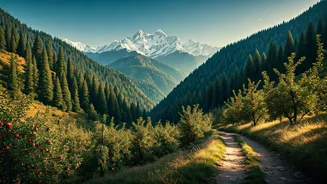
While the orchards are the soul of Harsil, the village offers a complete retreat from modern life. The lack of rampant commercialization means the experience is authentic. There are no sprawling resorts or noisy tourist traps. Instead, visitors find charming homestays and small guesthouses where hospitality is personal and warm. The region is a paradise for walkers and nature lovers. Short, scenic trails lead to nearby villages like Mukhba, the winter home of the goddess Ganga. For the more adventurous, longer treks into the surrounding mountains offer unparalleled solitude and views. Evenings are for sitting by the river, watching the stars emerge in a sky unsullied by city lights, and feeling the deep, profound peace of the Himalayas.