




The Search for Serenity
The shift didn’t happen overnight, but its roots are easily traced to a collective, global experience that rewired our relationship with personal space. The pandemic-era focus on social distancing accelerated an existing desire to escape the daily grind,
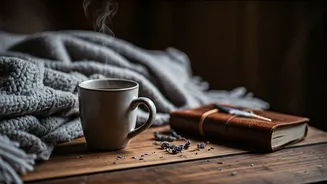
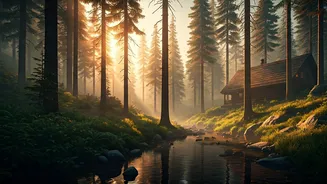
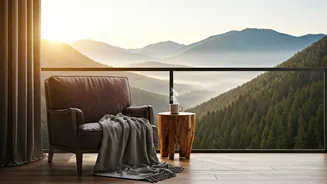
turning a niche preference for seclusion into a mainstream movement. Initially a practical choice for avoiding crowds, the cabin getaway quickly became a psychological one. Travelers discovered that the true reward wasn’t just safety, but serenity. The silence of a forest, the absence of a demanding itinerary, and the simple pleasure of a morning coffee on a porch overlooking nothing but trees became the new five-star experience. This search for tranquility has outlasted lockdowns, cementing itself as a permanent fixture in the American travel psyche. It’s a conscious uncoupling from the 'see everything, do everything' vacation model that often leaves travelers needing a vacation from their vacation.
Redefining Vacation Luxury
For decades, 'luxury travel' conjured images of infinity pools, white-glove service, and bustling high-end resorts. Today, for a growing number of Americans, luxury has been completely redefined. The new status symbols are privacy, authenticity, and disconnection. Instead of a thread count, travelers are seeking a star count—the kind you can only see far from city lights. A private hiking trail is the new spa treatment; a crackling fireplace is the new cocktail lounge. This isn't about roughing it. Modern cabin rentals often feature bespoke architecture, high-end kitchens, and thoughtfully curated interiors that rival boutique hotels. The luxury is in the experience: the ability to control your environment, cook your own meals, and exist on your own schedule. The ultimate amenity is the landscape itself, and the price of admission is simply the willingness to slow down and embrace it.
The Work-From-Anywhere Effect
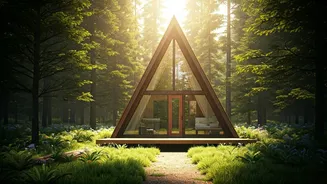
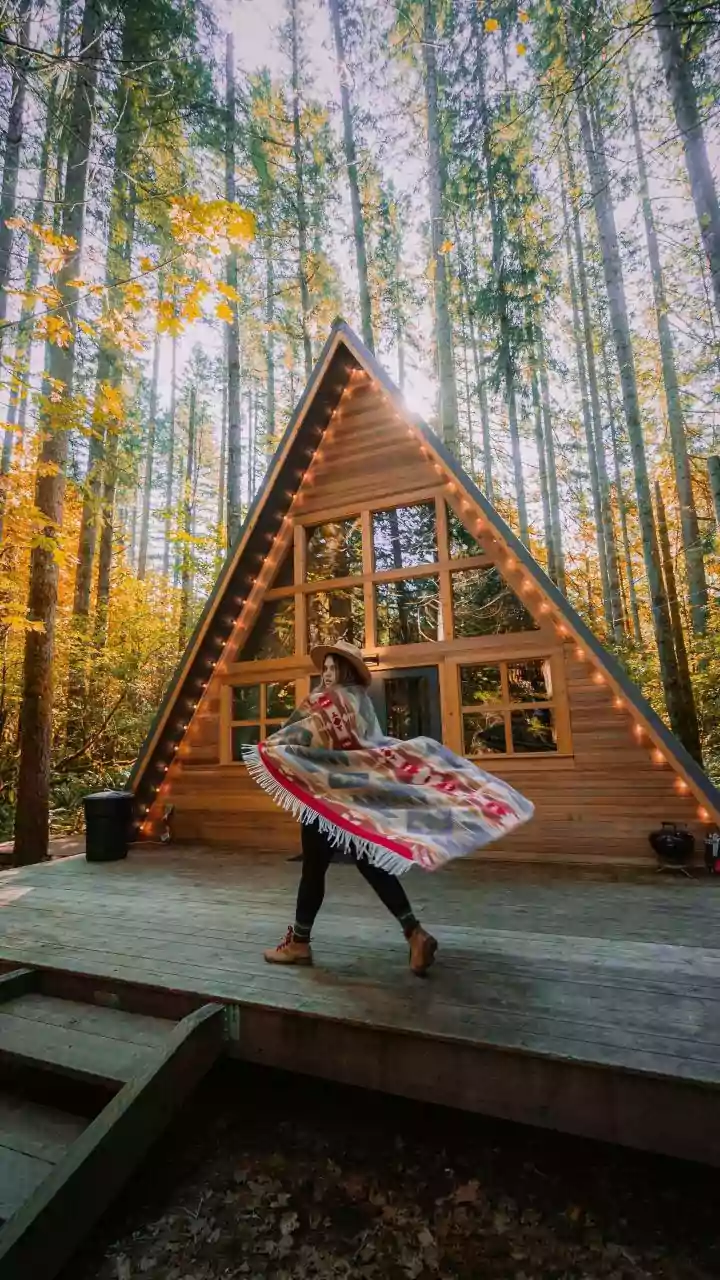
The rise of remote and flexible work has been a powerful accelerant for the cabin trend. The 'workcation'—a trip that blends labor and leisure—has transformed the humble cabin from a weekend escape into a viable week-long or even month-long destination. Why work from your spare bedroom when you could work from an A-frame with mountain views? Reliable Wi-Fi is now a standard offering in even the most remote-seeming rentals, making it possible to take Zoom calls in the morning and hike to a waterfall in the afternoon. This has fundamentally altered the economics and logistics of travel. Instead of squeezing a vacation into a precious few days of PTO, people can extend their stays, immersing themselves more deeply in a location. It has allowed travelers to explore rural corners of the country that were previously impractical for anything more than a quick trip, spreading tourist dollars to smaller communities in the process.
An Escape for Every Taste
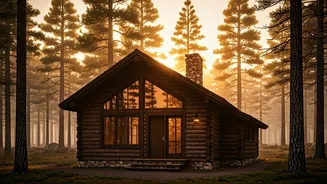
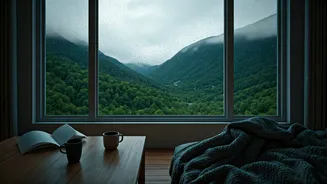
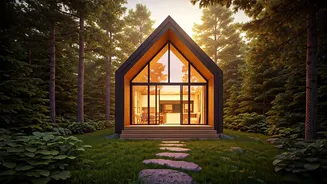
The modern cabin movement is also notable for its diversity. The term 'cabin' no longer refers exclusively to a rustic, Lincoln Log-style structure. Today’s market is filled with a stunning variety of options catering to different aesthetics and comfort levels. There are minimalist tiny homes, sleek Scandinavian-inspired A-frames, and glass-walled architectural marvels designed to blur the line between indoors and outdoors. This aesthetic range has broadened the appeal far beyond traditional hunters and hikers. Design-conscious urbanites, young families, and couples looking for a romantic getaway are all finding their perfect version of a cabin. Social media has played a huge role, with visually striking properties becoming destinations in their own right. This variety ensures that trading crowds for a cabin doesn't mean sacrificing style or comfort; it simply means choosing a different, more personal kind of escape.