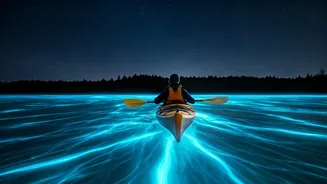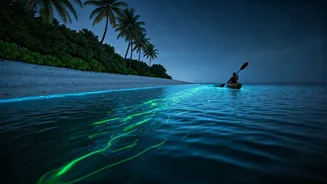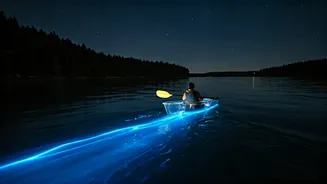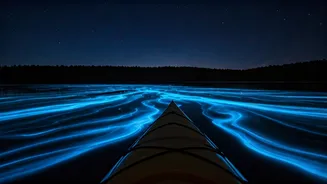






So, What Is This Liquid Starlight?
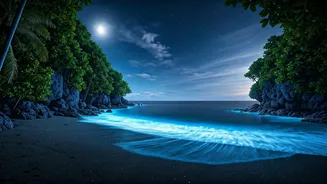
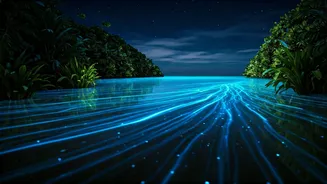
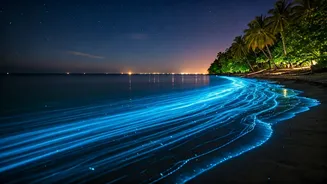
It’s not magic, but it might as well be. This ethereal glow is called bioluminescence, a chemical reaction that produces light within living organisms. In coastal waters, the culprits are usually tiny marine creatures called dinoflagellates. When disturbed
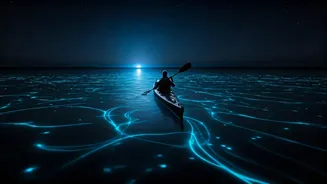
by a wave, a kayak paddle, or even your hand, these microscopic plankton emit a flash of blue-green light as a defense mechanism. The result is a surreal, glittering spectacle. Think of it as millions of tiny, living fireflies lighting up the water around you. It’s a quiet, profound, and utterly unique phenomenon that you have to see to believe.
Why It Beats the Crowds
Peak season travel often means paying premium prices for long lines, packed restaurants, and the low-grade stress of navigating crowds. A bioluminescence tour is the antidote. It’s an experience built on darkness, quiet, and wonder. Instead of vying for a poolside chair, you’re gliding through still, dark water under a canopy of stars. The main event isn’t a man-made attraction but a fleeting, natural miracle. These trips often happen in protected natural areas, encouraging a more mindful and respectful kind of tourism. You’re trading the noise and chaos for a moment of pure, unforgettable awe.
Find the Glow: Mosquito Bay, Puerto Rico
If there's a global capital of bioluminescence, it's Mosquito Bay on the island of Vieques, Puerto Rico. Certified by the Guinness World Records as the brightest bioluminescent bay in the world, its magic is undeniable. The bay’s geography and nutrient-rich waters create an incredibly high concentration of dinoflagellates. Electric-powered pontoon or kayak tours glide you into the heart of the bay where every movement creates a trail of brilliant blue light. For the best experience, plan your trip around a new moon—the darker the sky, the brighter the water’s glow. It’s a bucket-list destination for any nature lover.
Find the Glow: Florida's Space Coast
You don’t need a passport to witness this marvel. Florida's Indian River Lagoon, particularly near Titusville and Cocoa Beach, is one of the most accessible and reliable places in the continental U.S. to see bioluminescence. During the warmer months (typically May through November), the lagoon comes alive. Numerous local operators offer guided nighttime kayak tours, where you can paddle through “dino” trails and watch mullet fish leave glowing torpedo trails as they dart through the water. It’s a perfect addition to a Florida vacation that takes you away from the theme park lines and into a world of natural enchantment.
Find the Glow: West Coast Sparkle
While not as consistently bright as the bays in Puerto Rico or Florida, the West Coast gets its own stunning light shows. Southern California, especially the coastline around San Diego, occasionally experiences a phenomenon known as a “red tide.” While the water looks murky brown by day, at night it can erupt in spectacular bioluminescent waves. Further north, Tomales Bay in Northern California is another spot where kayakers can sometimes find glowing waters, especially in late summer and fall. These events are less predictable, making them an even more special treat when they occur.
How to Plan Your Glowing Trip
Ready to chase the light? First, check the lunar calendar. The best viewing is always during the new moon phase or on nights with heavy cloud cover when moonlight won’t wash out the glow. Second, book a guided tour. Local experts know the best spots and times, and their commentary adds rich context. Plus, they handle the safety and equipment. Finally, manage your expectations. This is a natural event, not a theme park ride. Some nights are brighter than others. But even a subtle glow is a magical experience that reminds you of the hidden wonders of the natural world.