



What Exactly Are 'Latte Eyes'?
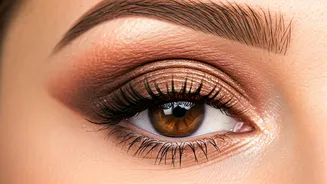
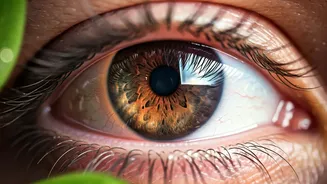
Forget the harsh blacks of the classic smokey eye or the neon brights of festival makeup. The 'latte eye' is all about a soft-focus, monochromatic palette of warm browns, creamy caramels, and rich espresso tones. Popularized by celebrities like Hailey
Bieber and their makeup artists, the trend gets its name from its inspiration: the milky, blended hues of your favorite caffeinated beverage. It’s less about sharp lines and more about a seamless wash of color that enhances the eyes without overpowering them. The look is defined by its warmth, its blended (never sharp) edges, and its sophisticated, almost-but-not-quite-natural finish. It's the makeup equivalent of a cashmere sweater—effortlessly chic and comfortable.
Why This Trend Is Everywhere
The massive appeal of the latte eye comes down to its incredible versatility. First, it’s universally flattering. The warm, earthy tones complement a vast range of skin tones and eye colors, making it one of the most democratic trends to emerge in years. Second, it bridges the gap between a full-glam look and the minimalist 'clean girl' aesthetic. It provides enough definition and polish for a night out but is soft enough for a daytime office setting. This adaptability has made it a go-to for makeup artists and enthusiasts alike. Finally, it taps into the larger cultural shift toward 'quiet luxury'—the idea of investing in timeless, high-quality aesthetics over fleeting, flashy fads. The latte eye feels expensive and put-together, even though it's surprisingly simple to achieve.
The Essential Toolkit
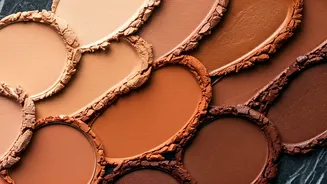
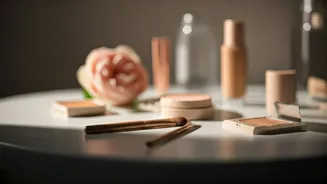
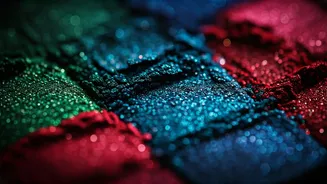
One of the best parts about this trend is that you probably already own everything you need. You're not chasing niche colors or specialized tools. At its core, the latte eye requires just a few staples: a neutral eyeshadow primer, a palette or a few single shadows in the brown family (think caramel, taupe, and dark chocolate), a soft brown eyeliner pencil, and a fluffy blending brush. The blending brush is arguably the most important tool here, as the entire look hinges on creating soft, diffused gradients of color. For an extra pop, you might add a shimmery bronze or gold shadow for the center of the lid, but the foundational look is beautifully matte.
A Step-by-Step Guide to the Look
Ready to brew your own perfect latte eye? Here’s a simple, foolproof method: 1. **Prime and Prep:** Start by applying a thin layer of eyeshadow primer or a neutral concealer to your eyelids. This creates a smooth canvas and ensures your shadow stays put without creasing. 2. **Build the Base:** Take a fluffy brush and sweep a light caramel or warm tan shade all over your lid, blending it up into the crease. This first layer establishes the warm, milky base of the look. 3. **Add Depth:** Using a slightly smaller, more tapered blending brush, apply a medium-to-dark brown shade (think espresso) to the outer corner of your eye in a 'V' shape. Gently blend this color into the crease to create soft dimension, making sure there are no harsh lines between the two shades. 4. **Define the Lash Line:** Instead of a sharp liquid liner, opt for a soft brown or bronze eyeliner pencil. Trace it along your upper lash line, then use a small brush or even your fingertip to smudge and soften the line. You can also drag a small amount of the darker brown shadow along your lower lash line for a cohesive, smoky effect. 5. **Finish with Mascara:** Complete the look with one or two coats of your favorite mascara. For the true latte effect, consider a brown mascara, which keeps the overall look soft and warm.
Making the Trend Your Own
The latte eye is a template, not a strict rule. You can easily customize it to suit you. If you have cooler undertones, swap the warm caramels for cooler taupes and mushroom browns for a 'mocha' variation. For deeper skin tones, don't be afraid to use rich, chocolatey browns as your base and a deep espresso or black-brown for definition to ensure the colors pop. For a more glamorous evening version, press a high-shine metallic bronze or gold shadow onto the center of your lid with your fingertip. The goal isn't to replicate a photo perfectly, but to use the technique—monochromatic blending and soft definition—to create a look that makes you feel polished and confident.