

Embrace the Power of Dal
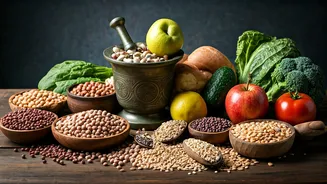
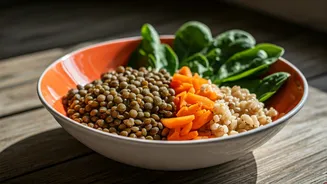
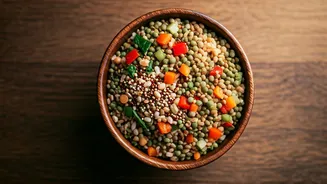
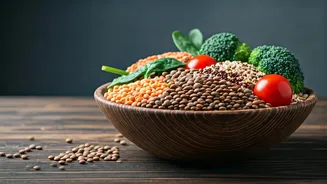
The cornerstone of countless South Asian meals, dal (lentils and legumes) is a fiber powerhouse. A single cup of cooked lentils can pack over 15 grams of fiber, more than half the daily recommended amount for many adults. They are not only incredibly
versatile but also rich in protein, making them exceptionally satiating. Start with the basics: masoor dal (red lentils) cooks quickly and is perfect for simple soups, while chana dal (split chickpeas) offers a firmer texture ideal for heartier curries. Moong dal, either whole or split, is known for being easy to digest. Simply boiling them with turmeric and salt creates a comforting, fiber-rich base. To boost your intake, aim to have a small bowl of dal with at least one meal per day.
Choose Whole Grains, The Traditional Way
Refined white rice and bread are common, but traditional Desi meals often center on nutrient-dense whole grains. The most obvious swap is opting for roti or chapati made from whole wheat flour, known as 'atta'. Unlike refined white flour, atta retains the bran and germ, which are loaded with fiber. A single whole wheat roti can contain 3-4 grams of fiber. Beyond wheat, explore ancient millets like bajra (pearl millet) and ragi (finger millet). These naturally gluten-free grains are making a comeback for good reason; they are incredibly resilient crops packed with fiber, calcium, and iron. Look for their flours to make flatbreads or use the whole grains as a substitute for rice.
Load Up On Fibrous Vegetables (Sabzi)
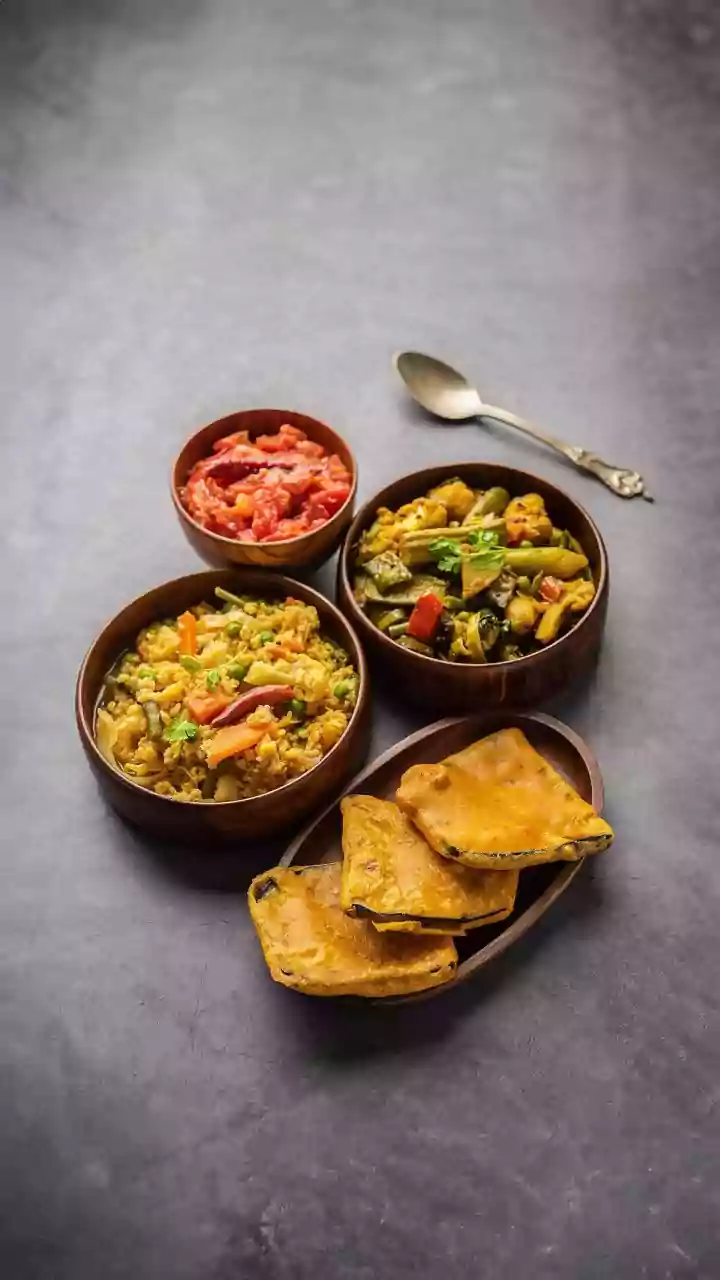
The world of sabzi (vegetable dishes) is where fiber truly shines. Many vegetables central to Desi cooking are unsung heroes of gut health. Okra, or bhindi, is a prime example; its unique mucilaginous quality is a form of soluble fiber that’s great for digestion. Leafy greens like spinach (palak), fenugreek leaves (methi), and mustard greens (sarson) are fiber-dense and can be wilted into nearly any dish. Don’t shy away from cruciferous vegetables like cauliflower (gobi) and cabbage (patta gobhi), which are fantastic in stir-fries and curries. The key is to cook them with spices until tender, not mushy, to retain their texture and nutritional benefits.
Incorporate Key Fruits and Seeds
Fibermaxxing isn't just about meals; it's also about snacks and finishers. Guava (amrood) is an incredible source of dietary fiber, with a single fruit containing more fiber than an orange. For a more direct and potent boost, look no further than psyllium husk, known as isabgol. This traditional remedy for digestive regularity is almost pure soluble fiber. A teaspoon mixed into a glass of water, yogurt, or a smoothie is a simple and effective way to significantly increase your daily fiber. Similarly, adding a tablespoon of chia seeds or ground flaxseeds (alsi) to your morning yogurt, oatmeal, or even sprinkled on a sabzi can add a few extra grams of fiber and a dose of healthy omega-3 fatty acids.
Don't Forget the Spice-Gut Connection
While spices themselves aren't a major source of fiber, they play a crucial supporting role in gut health. Many common Desi spices have anti-inflammatory and digestive properties that create a healthier environment for your gut microbiome to thrive. Turmeric (haldi) is known for its anti-inflammatory compound curcumin. Ginger (adrak) and cumin (jeera) are famed for aiding digestion and reducing bloating. Fenugreek seeds (methi dana) contain soluble fiber and can help regulate blood sugar. Think of these spices as creating the right conditions for the fiber you’re eating to do its best work. A well-spiced meal is not just flavorful; it’s a holistic approach to wellness.