



1. Escape the Crowds, Find Each Other
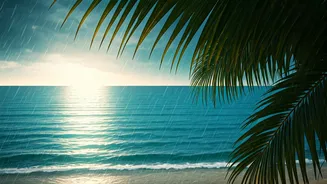
Peak tourist season often means sharing breathtaking views with hundreds of other people, frantically booking dinner reservations, and navigating crowded streets. The monsoon, or “green season,” changes all of that. Popular destinations in Southeast Asia,
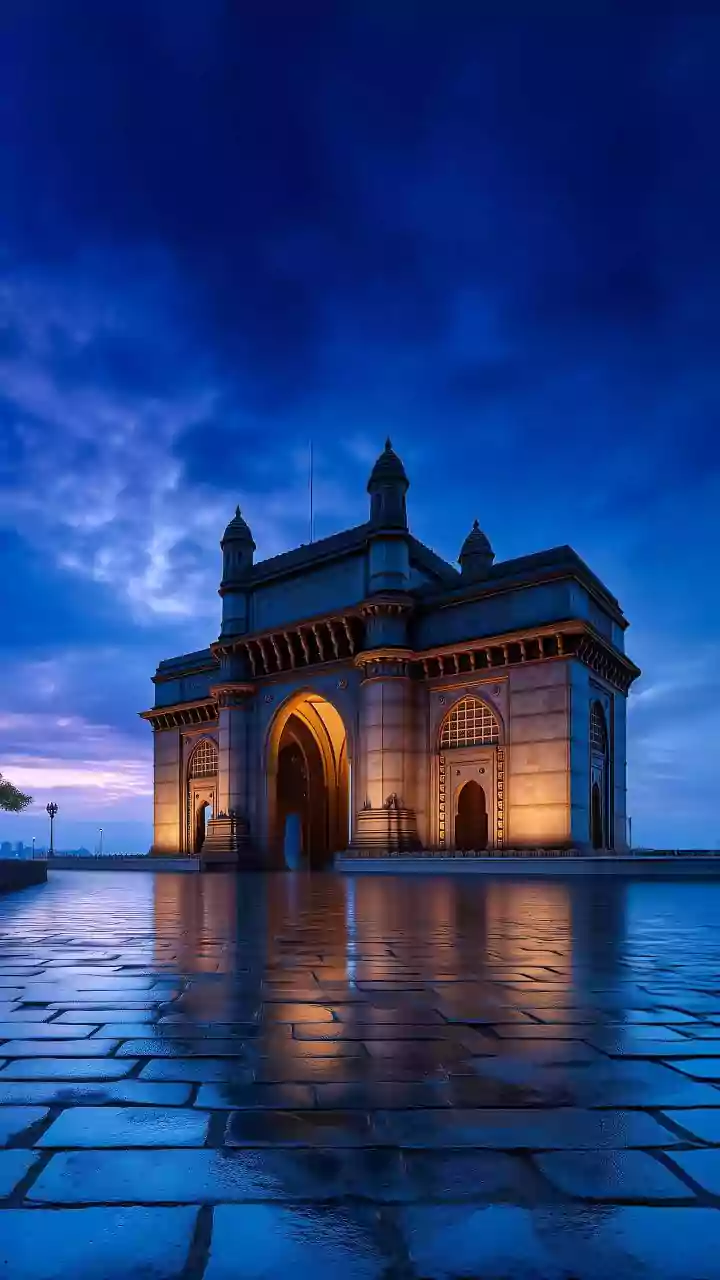
India, and Central America see a significant drop in visitor numbers. This quiet creates a sense of seclusion and intimacy that’s hard to find otherwise. Imagine having a normally packed viewpoint in Bali or a serene temple in Thailand almost entirely to yourselves. The off-season lull fosters a slower, more deliberate pace, giving you the space to connect without the pressure and noise of the peak-season hustle. It’s a chance to experience a place—and each other—on a more personal level.
2. The World Turns Emerald Green
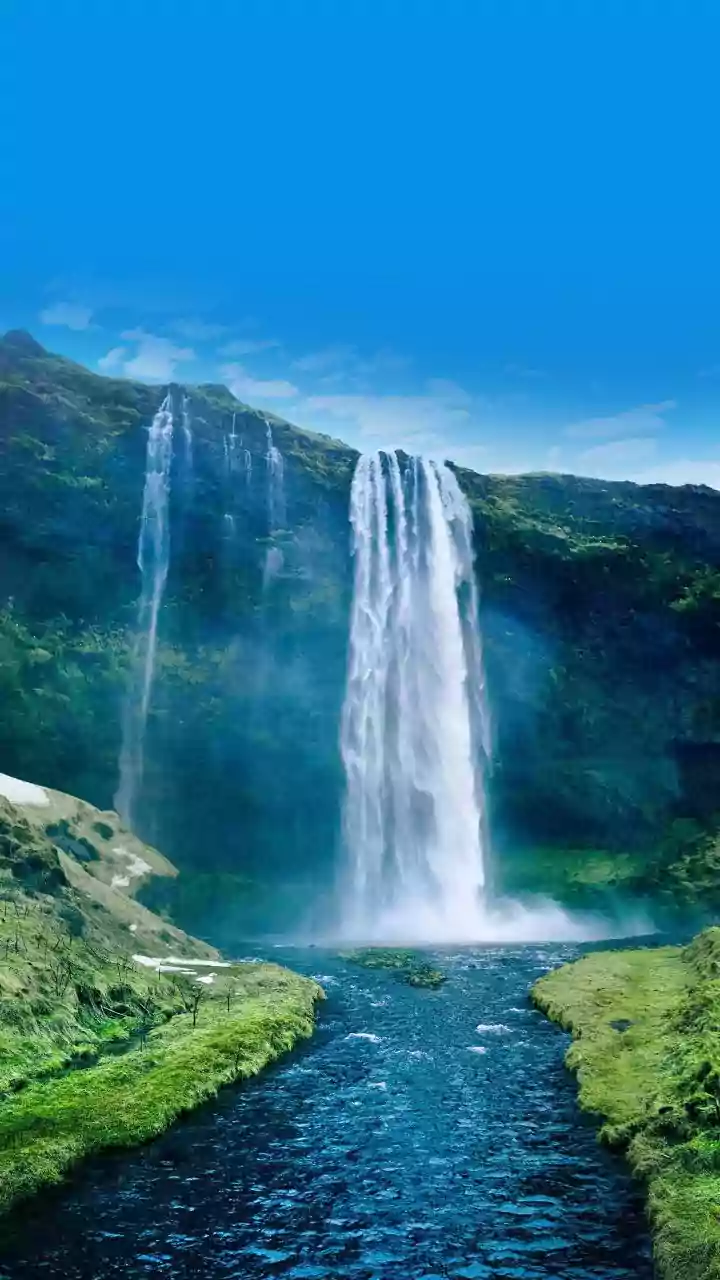
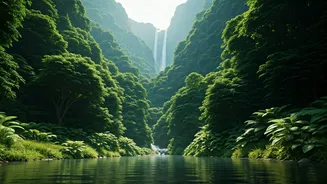
The most visible transformation during monsoon season is the landscape itself. What might be dry and dusty during other times of the year erupts into an almost impossibly vibrant sea of green. The rain breathes life into everything, from the rice paddies of Vietnam, which become shimmering emerald terraces, to the jungles of Costa Rica, where the foliage grows thick and brilliantly alive. This explosion of nature is a spectacle in itself. Waking up to a world washed clean, where every leaf drips with fresh rainwater and the air feels pure, is a deeply restorative experience. Hikes become more adventurous and rewarding, with the promise of mist-shrouded hills and the powerful sight of waterfalls at their most thunderous.
3. The Soundtrack for Coziness
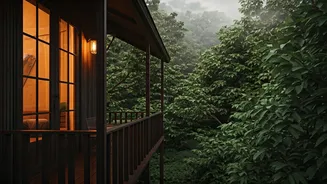
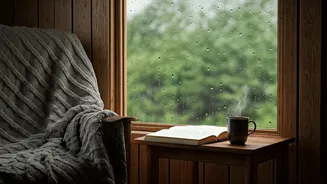
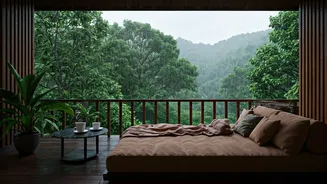
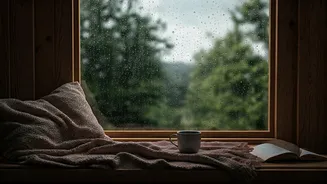
There is perhaps nothing more romantic than being tucked away somewhere warm and comfortable while a storm rages outside. The sound of heavy rain drumming on the roof of a private villa, a cozy bungalow, or a heritage hotel room is the ultimate natural soundtrack for relaxation and intimacy. This is the perfect excuse to indulge in the activities you never make time for. Spend an afternoon reading side-by-side, take a cooking class focused on warm, spiced comfort foods, or simply watch the dramatic sky change from your window with a cup of tea or a glass of wine. Many resorts in monsoon-prone regions are designed for this very experience, offering beautiful indoor-outdoor spaces, spa treatments, and covered verandas perfect for storm-watching.
4. A Feast for the Senses
Monsoon season heightens every sense. The most distinct is the smell of petrichor—the earthy, fresh scent that rises when rain hits dry soil. It’s a fragrance that signals renewal and feels primally satisfying. The air, cleared of dust, makes colors pop and scents more pronounced. It’s also a time when local cuisine often shines. In places like Kerala, India, the monsoon is associated with Ayurvedic traditions and specific seasonal foods meant to be warming and nourishing. Picture yourselves sharing a hot bowl of pho in Hanoi as a downpour cools the city, or sipping a spiced chai in a café overlooking the rain-swept hills of a tea plantation. The weather becomes an integral, and delicious, part of the cultural experience.
5. The Allure of Affordable Luxury
Because it’s considered the “off-season,” monsoon travel comes with a significant perk: lower prices. Flights are often cheaper, and high-end hotels and resorts that might be out of reach during peak season offer dramatic discounts and attractive packages. This is your chance to upgrade your experience without breaking the bank. That private pool villa, the five-star hotel with the world-class spa, or the exclusive eco-lodge suddenly become much more accessible. This financial freedom allows you to splurge on the experiences that make a trip truly special, whether it’s a private guided tour, a couples’ spa day, or a tasting menu at a celebrated restaurant—all while feeling like you have the place to yourself.