




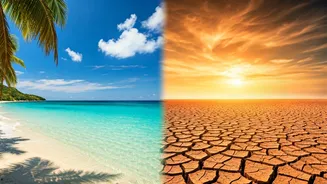


An Unprecedented Heat Crisis
Imagine living in a world where the air itself feels like an open furnace. For tens of millions in India, this isn't hyperbole; it's daily life during the summer of 2024. Cities across the northern plains have seen temperatures hover between 113°F and
122°F (45-50°C) for weeks on end. New Delhi recorded its highest-ever temperature, and the heat has been relentless, crippling infrastructure and daily life. The extreme conditions have led to widespread water shortages, power grid failures as air conditioners work overtime, and a spike in heat-related illnesses and deaths. Schools have closed, outdoor work has become perilous, and the simple act of stepping outside can be a health risk. This isn't just an uncomfortable summer; experts describe it as a humanitarian crisis unfolding in slow motion, pushing the limits of human endurance.
The Great Escape to Cooler Climates
In response, those with the means are voting with their feet. Travel agencies and booking platforms across India have reported a massive surge—as high as 40% by some estimates—in inquiries and bookings for international travel. But this isn't the typical vacation rush. The primary search filter is temperature. Indians are actively seeking out destinations where they can simply breathe without feeling scorched. Popular destinations include European countries like Switzerland, France, and Scandinavian nations, known for their mild summers. However, closer and more accessible spots in Southeast Asia, such as parts of Vietnam and Malaysia with cooler highland regions or coastal breezes, are also seeing a spike. The motivation is clear and urgent: escape the heat by any means necessary. Travel agents note that clients are explicitly asking for “cold places,” a departure from typical requests for beaches or cultural hotspots.
The Visa Bottleneck
Herein lies the challenge, and the meaning behind the 'easy-visa' demand. While the dream may be a stroll through the Swiss Alps, the reality is often a bureaucratic nightmare. Securing a tourist visa for many Western countries, including the U.S. and the Schengen Area in Europe, can be a lengthy and uncertain process for Indian passport holders. Wait times for visa appointments can stretch for weeks or even months—a timeline that offers little immediate relief from an ongoing heatwave. This has created a two-tiered system of escape. Countries offering visa-free travel, visa-on-arrival, or streamlined e-visa processes are becoming prime destinations. Nations like Kazakhstan, Kenya, and Sri Lanka have recently simplified their entry requirements for Indians, and travel experts report that these destinations are gaining significant traction. The desire isn't just for a cooler climate, but for one that can be accessed quickly and predictably.
The Dawn of Climate Tourism
What we're witnessing may be more than just a temporary travel trend; it could be the emergence of 'climate tourism' or 'escape travel' as a major force in the global tourism industry. For decades, tourism was driven by the search for sun. Now, for a significant and growing population, it’s about escaping it. As extreme weather events—from heatwaves and wildfires to floods and hurricanes—become more frequent and severe around the world, this pattern is likely to replicate. The Indian experience serves as a powerful case study. It demonstrates that when living conditions at home become intolerable, even temporarily, populations with disposable income will seek refuge elsewhere. This has profound implications for the travel industry, which may need to pivot marketing and logistics to cater to a new kind of traveler: the climate refugee, even if only for a few weeks.