



Welcome to the 'Scotland of India'
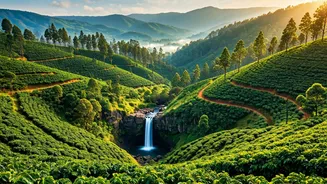
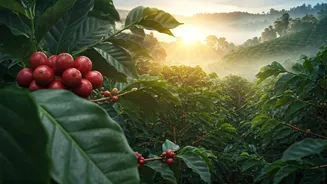
Nestled in the Western Ghats of Karnataka in Southern India, the district of Kodagu, affectionately known by its anglicized name, Coorg, is a world away from the frantic energy of India’s megacities. Its rolling hills, misty landscapes, and temperate
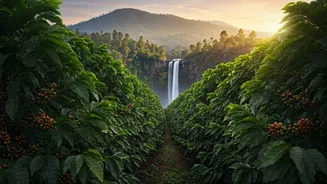
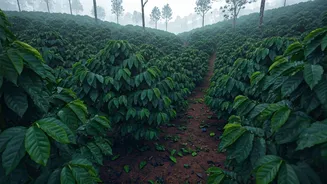
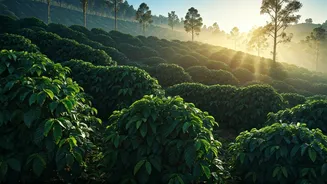
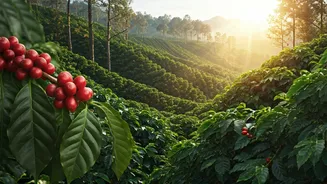
climate earned it the nickname “the Scotland of India” from nostalgic British colonists. But today, Coorg is defined by something else: coffee. This region is the country's largest coffee producer, and its hillsides are blanketed with sprawling plantations of Arabica and Robusta, shaded by towering jackfruit and rosewood trees. It’s a landscape that invites you to slow down, breathe deep, and reconnect with the natural world.
What is a Plantation Stay?
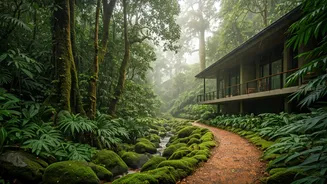
Think of it as the ultimate evolution of the farm stay. A plantation stay isn't just a hotel located near coffee fields; it’s an immersive experience where you live and breathe the life of the estate. These accommodations range from historic, family-run homestays—often the ancestral homes of the plantation owners themselves—to luxurious boutique resorts with infinity pools overlooking the valleys. Unlike a typical hotel, the goal isn't just to provide a bed. It's to connect you with the land, the process, and the culture that revolves around coffee. You’re not just a tourist; you’re a temporary resident in a working agricultural world, trading traffic for the gentle rhythm of the harvest.
From Bean to Cup: The Daily Rhythm
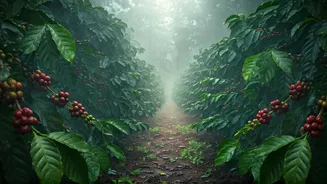
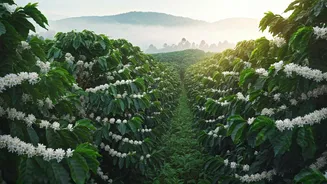
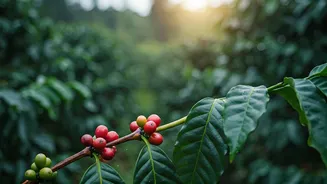
A day on a Coorg plantation is governed by nature. Mornings often begin with a guided walk through the coffee fields. Here, you’ll learn to distinguish between Arabica and Robusta plants, see peppercorn vines climbing the silver oak trees, and spot the vibrant red coffee cherries during the harvest season (typically November to February). Your host or a resident expert will walk you through the entire journey: from picking and pulping the beans to drying, sorting, and roasting them. The highlight for any coffee lover is the “cupping” session, a guided tasting where you learn to identify the subtle flavor notes—citrus, spice, chocolate—of a truly fresh brew. It’s a sensory education that will change the way you think about your morning cup.
Beyond the Coffee: Exploring the Region
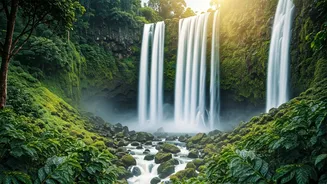
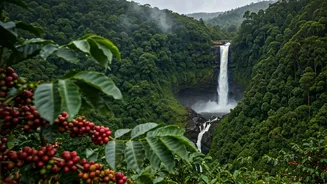
While coffee is the star, Coorg offers plenty more to explore. The landscape is a trekker's dream, with trails leading to breathtaking viewpoints like Raja’s Seat or the peaks of Tadiandamol and Brahmagiri. The region is also dotted with stunning waterfalls, such as the majestic Abbey Falls, which are particularly impressive after the monsoon season. For a dose of culture, visit the Namdroling Monastery, a spectacular Tibetan Buddhist settlement also known as the “Golden Temple,” or delve into the unique traditions of the local Kodava people, known for their distinct martial culture and flavorful cuisine. Don’t leave without trying Pandi Curry (a spiced pork dish) and Kadambuttu (steamed rice dumplings), staples of the local diet.
Planning Your Lush Escape
The best time to visit Coorg is from September to March, when the weather is cool and pleasant, and the post-monsoon landscape is at its most vibrant green. The coffee harvest season offers a unique glimpse into the plantation's busiest time. For American travelers already in India, Coorg is most accessible via a scenic 5-6 hour drive from Bangalore or a shorter 3-4 hour drive from Mysore. Pack layers, as mornings and evenings can be chilly, along with a light rain jacket and sturdy walking shoes for exploring the plantations. Most importantly, pack a desire to disconnect. Wi-Fi can be spotty here, but that’s part of the charm—it’s an invitation to log off and tune into the world around you.