



More Than Just a Vacation
The explosion of secluded, nature-centric getaways isn't just a random travel trend; it's a direct response to the pressures of modern life. For years, a quiet craving for disconnection has been building, but the pandemic threw it into overdrive. After
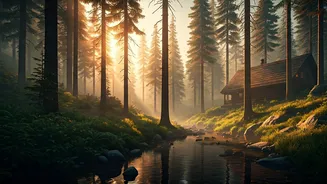
months of being confined to urban and suburban spaces, the allure of open land, fresh air, and psychological distance became a primary driver in travel. The forest stay offers a perfect solution: an escape that feels both safe and restorative. It's not about seeing a new city; it's about finding a quiet corner of the world to simply exist in. This shift was supercharged by the rise of remote and flexible work, which untethered millions from the necessity of being in an office, turning a weekend escape into a potential week-long 'work-from-woods' reality.
Designed for the Digital Gaze
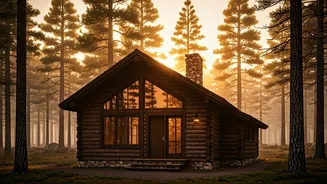
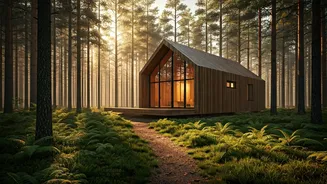
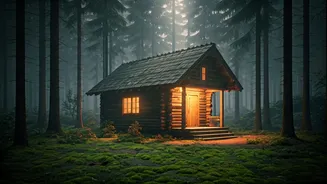
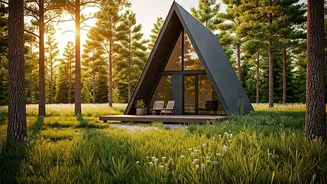
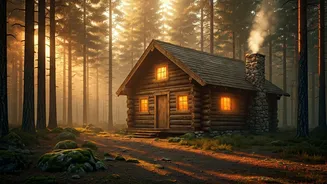
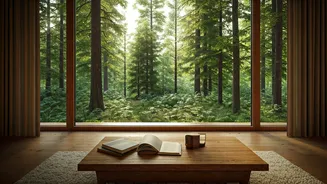
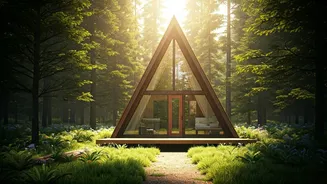
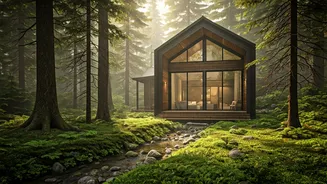
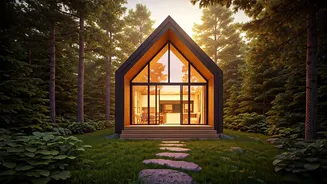
Let’s be honest: these cabins are incredibly photogenic. The trend is propelled by a very specific and cultivated aesthetic. Think minimalist interiors, large picture windows that frame the landscape like a living painting, natural materials like wood and stone, and cozy signifiers like a crackling fireplace or a steaming mug of coffee. This isn't your grandfather's dusty hunting lodge. Today's popular forest stays are often architectural marvels in miniature—sleek A-frames, modern cubes, and renovated vintage campers. This 'biophilic' design, which emphasizes a connection to nature, is perfectly tailored for the visual world of Instagram and TikTok. Hosts know that a unique design or a single 'wow' feature, like an outdoor bathtub or a suspended hammock net, can make their property go viral, ensuring it stays booked for months on end. The experience is designed to be lived, but it’s also explicitly designed to be shared.
The Allure of 'Doing Nothing'
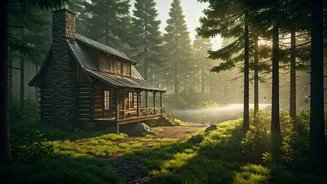
In a world obsessed with productivity and optimization, the ultimate luxury is permission to do nothing at all. This is the core promise of the forest stay. Unlike a traditional vacation packed with sightseeing, restaurant reservations, and a minute-by-minute itinerary, the goal here is often to have no plan. The main activities are reading, napping, walking in the woods, and staring out the window. This embrace of 'slow travel' is a powerful antidote to burnout culture. It taps into a desire for mindfulness and simplicity, where the measure of a good day isn't what you accomplished, but how little you felt you had to. It’s a retreat in the truest sense of the word—a chance to step away from the noise and demands of daily life and reconnect with a quieter, more internal rhythm.
The Business of the Woods
Where there's a trend, a market follows. An entire ecosystem of companies has emerged to cater to this demand. Startups like Getaway have built a whole brand around placing tiny, minimalist cabins within a few hours' drive of major U.S. cities, complete with a lockbox for your phone to encourage disconnection. Brands like AutoCamp offer high-end, design-forward experiences with Airstreams and luxury tents. Meanwhile, on platforms like Airbnb and Vrbo, individual hosts are pouring money into creating their own picture-perfect woodland escapes. What was once a niche market for outdoorsy types has become a mainstream, multi-billion-dollar segment of the travel industry, proving that the desire for a beautiful, quiet place in the woods is a powerful economic force.
How to Find Your Forest Escape
So, how do you find one of these coveted spots? The key is using the right language. On booking sites, forget generic searches for 'house' and instead try specific, aesthetic-driven terms like 'A-frame,' 'tiny cabin,' 'treehouse,' 'yurt,' or 'glamping.' Look for filters that let you select for specific amenities that define the vibe, such as 'fireplace,' 'hot tub,' or 'secluded.' Pay close attention to photos and reviews to gauge the reality versus the curated image. Is it truly isolated, or are there neighbors right next door? Does it have Wi-Fi for your work-from-woods fantasy, or is it a true off-grid dead zone? Deciding on your ideal level of rustic is the first step to finding the perfect leafy hideaway.