





Ignoring Your Gutters
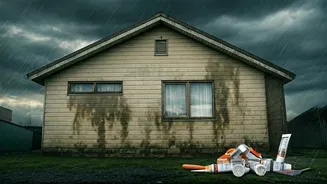
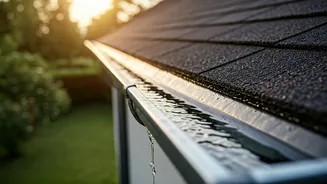
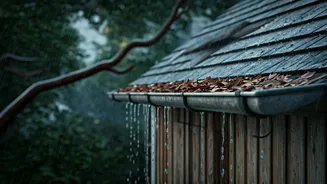
It’s easy to forget about your gutters until they’re overflowing, but by then, the damage may already be starting. Clogged gutters and downspouts force water to spill over the sides, where it can saturate the ground around your foundation. This can lead
to cracks in the foundation, basement flooding, and costly water damage. Water can also back up under your roof shingles, causing rot in the roof decking and fascia boards. It can even lead to ice dams in the winter, which create a whole new level of expensive problems. The fix is simple but essential: clean your gutters at least twice a year, once in the late spring and again in the late fall after leaves have dropped. For a few hours of work, you’re protecting the entire skeleton of your home.
Neglecting HVAC Filters
Your heating, ventilation, and air conditioning (HVAC) system is one of the most expensive and hardworking appliances in your home. A dirty, clogged filter is its worst enemy. When the filter is full of dust and debris, it forces the system’s fan motor to work much harder to pull air through. This not only drives up your energy bills but also puts immense strain on the components, leading to premature burnout and failure. A struggling system is also less effective at cooling or heating your home. For the cost of a few dollars and five minutes of your time, changing the filter according to the manufacturer's recommendation (typically every 1-3 months) is the single best thing you can do to extend the life of your HVAC unit and avoid a four-figure replacement bill.
Letting Small Leaks Go
That slow drip under the bathroom sink or the slight discoloration on the ceiling might seem like minor annoyances, but they are often the first signs of a major issue. Water is the arch-nemesis of a house. A persistent small leak can rot wood, disintegrate drywall, and create the perfect dark, damp environment for toxic mold to flourish. What starts as a simple washer replacement can morph into a full-scale remediation project involving plumbers, carpenters, and mold specialists. Get into the habit of regularly checking under sinks, around toilets, and behind appliances like refrigerators with ice makers. At the first sign of a leak, address it immediately. Tightening a fitting or replacing a small part now is infinitely cheaper than tearing out a wall later.
Forgetting to Flush the Water Heater
Out of sight, out of mind—the water heater often gets no attention until the day you step into an ice-cold shower. Over time, sediment (minerals, sand, and rust) from the water supply settles at the bottom of the tank. This layer of gunk forces the heating element to work harder to heat the water, decreasing efficiency and increasing your utility costs. Worse, it can cause the tank to corrode from the inside out, eventually leading to a catastrophic failure and a flooded basement or garage. To prevent this, most manufacturers recommend draining a few gallons from the tank annually to flush out the sediment. This simple task, which you can learn to do yourself from online tutorials, can significantly extend the life of your water heater and prevent a messy, expensive emergency.
Overlooking Exterior Caulking and Sealing
The caulk around your windows, doors, and any place where different materials meet (like where siding meets a brick chimney) is your home's first line of defense against the elements. Over time, sunlight and weather cause it to dry out, crack, and peel away. These small gaps might seem insignificant, but they are open invitations for water to seep into your walls, leading to rot and structural damage. They also create entry points for insects and rodents and allow conditioned air to escape, hurting your home’s energy efficiency. Once a year, do a slow walk-around of your home’s exterior. Look for failing caulk and cracked seals. A few tubes of exterior-grade sealant and a caulking gun are a tiny investment to keep your home weathertight and pest-free.