






The Rise of the Supermarket Itinerary
It’s a scene playing out in cities across the globe. A traveler, phone in hand, isn’t capturing a majestic cathedral but a sprawling wall of potato chip flavors in Tokyo. Another isn’t haggling in a tourist-choked market but marveling at the sheer variety
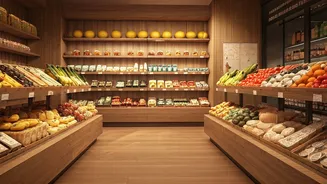
of pasta shapes in a Roman supermercato. This is “grocery tourism,” a travel philosophy gaining traction, especially among younger travelers hungry for authenticity. It’s the simple, deliberate act of making the local supermarket a planned destination. More than just a place to grab snacks, it’s treated as a living museum of daily life—an uncurated, unpretentious window into the soul of a place. In a world of hyper-polished Instagram posts and tours designed for performance, the humble grocery store offers something refreshingly real.
Aisle-by-Aisle Cultural Anthropology
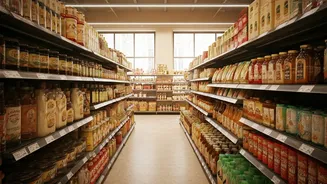
What does a grocery store truly reveal? It tells you what people value. Stroll through a French supermarket and the staggering size of the yogurt and cheese section speaks volumes about the cornerstones of the national diet. In Mexico, the shelves dedicated to countless varieties of dried chilies and hot sauces reveal a deep, nuanced relationship with spice. In South Korea, the kimchi aisle isn't a small, refrigerated niche; it's a sprawling, vibrant section central to the store's layout and the nation's culinary identity. You can learn about a culture’s approach to convenience by observing its frozen food and ready-meal sections. You can see its health priorities in the produce aisle, and its sense of indulgence in the candy and snack displays. It's a real-time, data-rich snapshot of how people actually live, eat, and celebrate—information you’d never find in a guidebook.
The Best (and Cheapest) Souvenirs
The hunt for the perfect souvenir can be exhausting, often ending with a generic magnet or an overpriced t-shirt. The grocery store offers a superior alternative. These souvenirs are not just objects; they are edible stories. Instead of a plastic Eiffel Tower, bring back a tube of French mustard so potent it makes your eyes water, or a bag of herbes de Provence that will perfume your kitchen for months. Swap the mass-produced “I Love NY” mug for a jar of everything bagel seasoning from a Brooklyn grocer. That small bottle of local honey, jar of regional jam, or uniquely flavored chocolate bar is more than a gift; it's a conversation starter and a tangible memory of a flavor you can’t get back home. These items are inexpensive, authentic, and directly connected to the place you visited, making them far more meaningful than anything you’ll find in a dedicated tourist trap.
How to Be a Good Grocery Tourist
As this trend grows, it’s important to remember that a supermarket is, first and foremost, a functional space for locals. The goal is to be a respectful observer, not a disruptive tourist. Go during off-peak hours, like a weekday afternoon, to avoid the after-work rush. Keep your voice down and be mindful of your cart, staying out of the way of shoppers on a mission. Instead of taking wide, sweeping videos that capture other people, focus your camera on the products themselves if you feel the need to document your discoveries. Better yet, put the phone away and simply use your eyes. Try to learn a few polite phrases in the local language, like “excuse me” and “thank you.” The idea is to blend in, absorb the atmosphere, and leave the space as you found it, having gained a little insight without causing any inconvenience.