




A Land Transformed by White
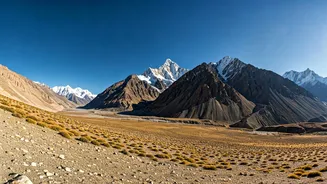
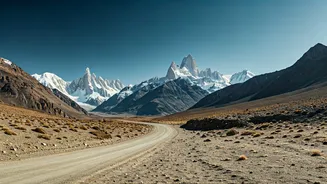
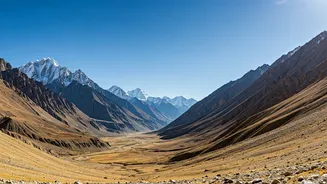
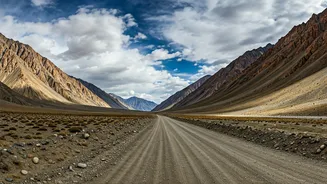
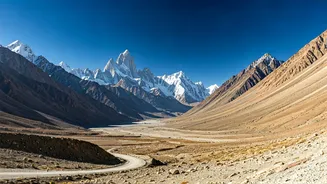
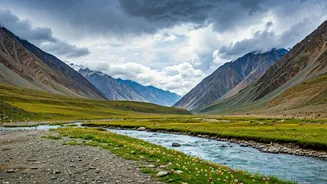
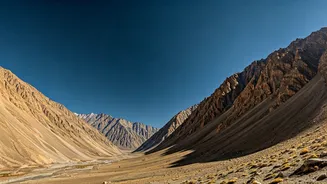
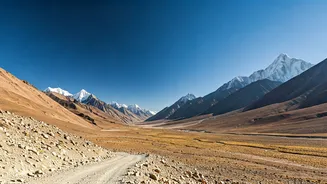
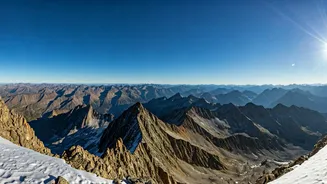
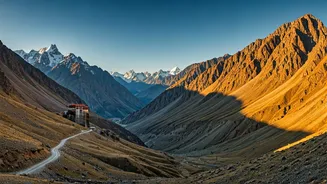
Tucked away in the Indian state of Himachal Pradesh lies the Spiti Valley, a high-altitude cold desert that spends most of the year as a panorama of barren, brown mountains under a piercing blue sky. It’s a place of raw, rugged beauty, often compared
to the Tibetan plateau for its stark landscapes and Buddhist culture. But in the depths of winter, a profound transformation occurs. When the snows arrive in force, this rust-colored world vanishes beneath a thick, pristine blanket of white. The valleys, roads, and riverbeds disappear, replaced by an endless expanse of soft, silent powder. The air becomes crisp and thin, and a profound quiet descends, broken only by the wind whistling through the peaks. This is not just winter; it’s a complete re-imagining of the landscape, turning a familiar corner of Earth into something that feels entirely alien and new.
Kaza: The Frozen Capital
At the heart of this frozen kingdom is Kaza, the sub-divisional headquarters of the Spiti Valley. At over 12,000 feet, it’s one of the highest towns in the world and serves as a vital hub for the region. In summer, its streets are bustling with locals, trekkers, and travelers. In winter, however, Kaza becomes a different place entirely. The recent snowfall has hushed the town, slowing the pace of life to a near standstill. Vehicles are rare, their tracks quickly covered by fresh powder. The flat-roofed, mud-brick houses, designed to withstand harsh weather, are now adorned with heavy crowns of snow. Wisps of smoke from chimneys are the primary signs of life, rising into the cold air and telling a story of warmth and resilience against the elements. It’s a town in hibernation, a human outpost holding its breath against the overwhelming power and beauty of the Himalayan winter.
The Monastery on the Hill
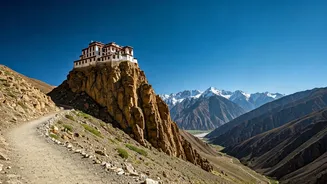
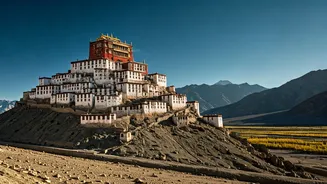
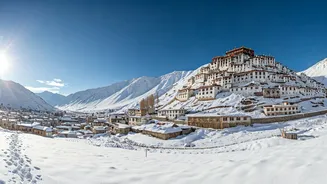
Just a few miles from Kaza, perched dramatically atop a conical hill overlooking the Spiti River, is the Key Monastery (also spelled Ki, Kye, or Kee). This is the region’s spiritual and visual centerpiece. Founded in the 11th century, it is the largest monastery in Spiti and a renowned center for Lamas and Tibetan Buddhist learning. Its architecture is its most striking feature; it’s not a single building but a sprawling complex of rooms, prayer halls, and narrow corridors that seem to cascade down the hillside. Over centuries of destruction and rebuilding, it has grown organically into what appears to be a fort-monastery, a jumble of white-washed walls and boxy structures stacked on top of one another. In any season, it’s a breathtaking sight, a testament to faith and fortitude in one of the world's most inhospitable environments.
A Truly Otherworldly Sight
Now, under the fresh blanket of snow, Key Monastery has truly become otherworldly. The stark white of the snow contrasts sharply with the deep, dark rock of the mountains behind it, making the monastery appear as if it’s floating between heaven and earth. The intricate details of its unconventional structure are softened, with each rooftop and ledge holding a perfect layer of white. The colorful prayer flags that normally flutter brightly are now stark pops of primary color against a monochromatic scene. Seeing it now is like looking at a dream—a silent, sacred fortress suspended in a world bleached of color but full of texture and spirit. The snow isolates the monastery from the world below, reinforcing its role as a place of retreat and contemplation, a sanctuary that feels genuinely detached from the mortal coil.