





The End of the Monolith
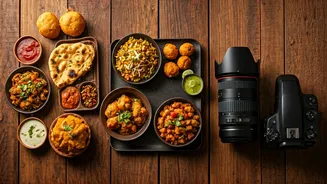
Let’s be honest: for a long time, the term “Indian food” in the United States described a single, homogenized experience. It was the all-you-can-eat lunch buffet, the creamy tomato-based curries, and the reliable naan. While delicious, it was a simplified
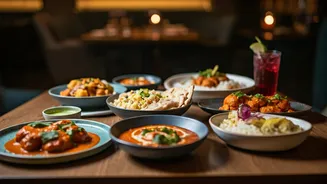
portrait of a subcontinent with dozens of distinct culinary traditions. The menus in Boston often looked strikingly similar to those in Los Angeles, reflecting the tastes of early North Indian immigrants and what they believed the American palate could handle. That era is decisively over. A new generation of chefs, many of them second-generation Indian Americans, are proudly exploring the hyper-regional flavors of their heritage. They aren’t just cooking Indian food; they’re cooking Gujarati street food, Goan seafood, Keralan specialties, and Bengali dishes. And as they do, they’re creating destination restaurants that are redefining not just Indian cuisine, but the very geography of American fine dining.
The Asheville Anomaly
If you need a single piece of evidence for this shift, look no further than Asheville, North Carolina. In 2022, the James Beard Foundation named Chai Pani, a vibrant and affordable Indian street food restaurant, the most Outstanding Restaurant in America. Not in New York. Not in Chicago. In Asheville. The award sent a shockwave through the culinary world, confirming what in-the-know foodies were already discovering: excellence isn’t confined to coastal megacities. Chai Pani’s founder, Meherwan Irani, built his reputation on serving the kind of fun, flavor-packed snacks (chaat) you’d find on the streets of Mumbai or Delhi. Dishes like Sloppy Jai, a spiced lamb hash sandwich, and crispy kale pakoras drew lines of locals and tourists alike. Winning the nation's top dining prize turned those lines into a pilgrimage, with diners now flying into the small mountain city specifically to taste what all the fuss is about. It was a watershed moment, proving that regional Indian food could be the main event, not just a neighborhood option.
Where the Real 'Little India' Lives
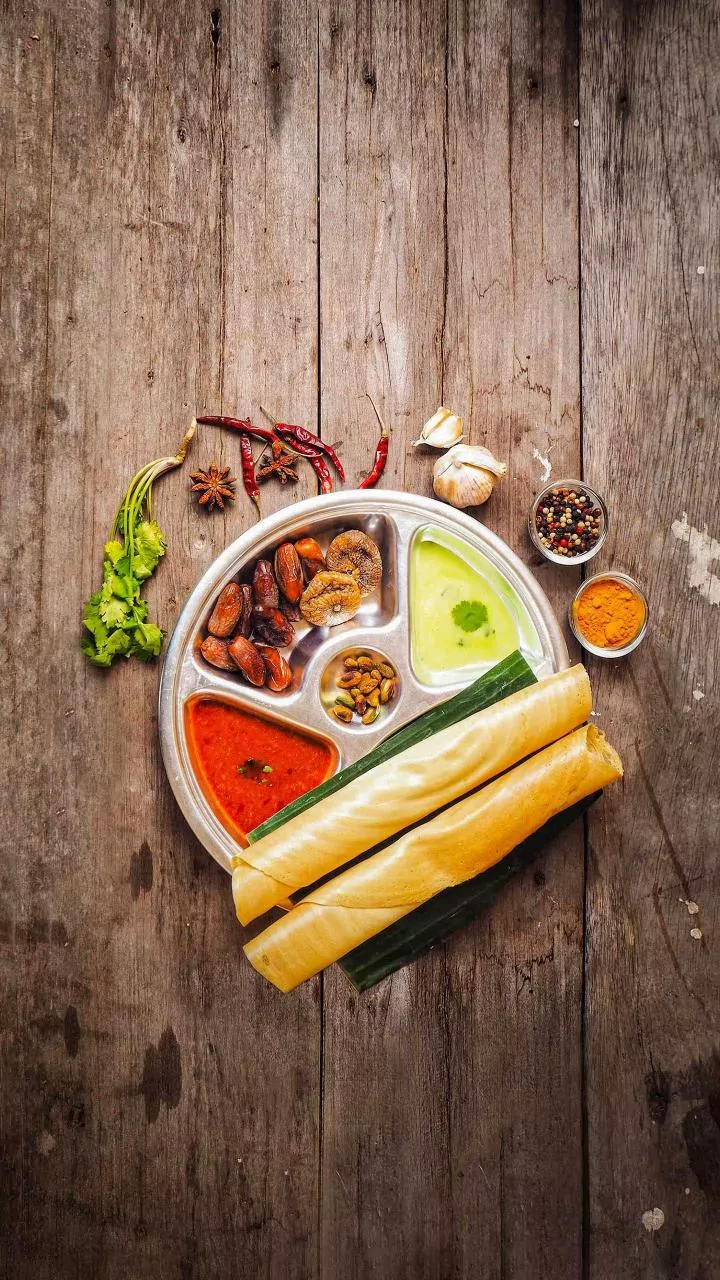
While fine-dining accolades grab headlines, another form of culinary travel has been happening for years along a stretch of Oak Tree Road in Edison and Iselin, New Jersey. This dense, mile-long corridor is arguably America’s most vital hub for regional Indian food. It’s not about one destination restaurant; it’s about an entire ecosystem of them. Here, you don’t just go for “Indian food”—you go for a specific craving. Want the delicate, vegetarian thalis of Gujarat? There’s a specialist for that. In the mood for paper-thin dosas and fiery sambar from South India? You have a dozen choices. It’s a place where families from across the tristate area drive for hours to stock up on groceries, sweets, and, most importantly, to eat food that tastes exactly like it does back home. This isn’t a trend; it's a long-established pillar of diaspora life that food tourists are now enthusiastically discovering.
The New Southern-Indian Belt
Beyond the East Coast, a new frontier for Indian cuisine is emerging in the American South and Texas. Cities like Houston, Austin, and Atlanta are becoming hotbeds of innovation. In Houston, with its large South Asian population, you can find brilliant chefs exploring the nuances of flavors from Hyderabad to Punjab. In Austin, chefs are reinterpreting classics with a modern, Texas-inflected sensibility. This “Southern-Indian Belt” is fueled by a confluence of factors: a growing and diverse immigrant community, a lower barrier to entry for opening ambitious restaurants, and a local dining public that’s hungry for bold, exciting flavors. This isn't just about authenticity; it’s also about evolution. Chefs feel empowered to play with tradition, creating dishes that are both deeply rooted and entirely new. It’s a dynamic scene that rewards exploration, encouraging diners to venture beyond their comfort zones and, increasingly, beyond their zip codes.