

Beyond Butter Chicken and Naan
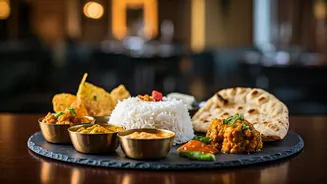
For decades, eating out at an Indian restaurant—whether in Mumbai, London, or New York—meant a predictable menu. You’d find rich, creamy dishes from the north: butter chicken, paneer tikka masala, dal makhani, and a basket of fluffy naan. This was the globally
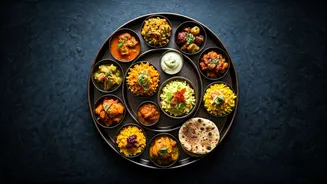
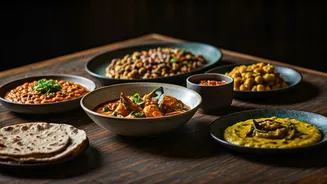
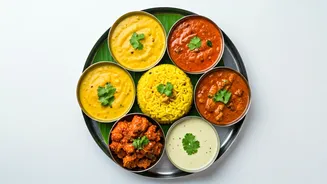
accepted, and commercially successful, face of Indian food. While delicious, it represented a tiny fraction of the subcontinent’s staggering culinary diversity. The simple, soulful meals that 1.4 billion people actually grew up eating—the regional dals, vegetable stir-fries (sabzis), and light, restorative rice dishes—were relegated to the home kitchen. They were considered too plain, too everyday, for a restaurant’s celebratory menu. Going out was for indulgence, for food you *couldn’t* make at home. But that mindset is undergoing a seismic shift.
The Khichdi Revolution
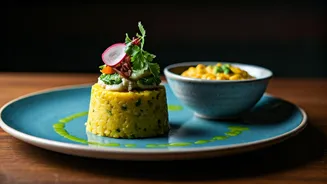
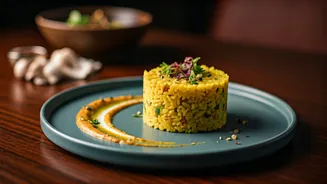
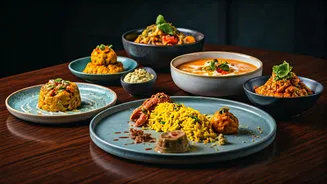
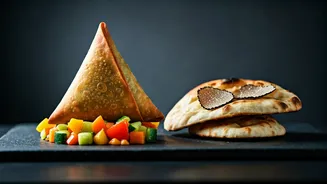
Nothing better illustrates this change than the ascent of khichdi. At its core, khichdi is the ultimate Indian comfort food: a simple, one-pot mush of rice and lentils, often seasoned with just turmeric and salt. It’s what you eat when you’re sick, when you’re tired, or when you’re feeling nostalgic for childhood. It’s the culinary equivalent of a warm hug. For years, the idea of paying for khichdi in a fancy restaurant would have been laughable. Today, it’s the star of the show. Progressive restaurants across India are reinterpreting it with flair. You might find a bajra (pearl millet) khichdi with toasted nuts, a baked version with a crispy top, or a truffled khichdi served with exotic mushrooms. Chefs are not just recreating the dish; they are elevating its textures and flavors using modern techniques and premium, local ingredients, proving that simplicity doesn’t mean a lack of sophistication.
A Quest for Modern Authenticity
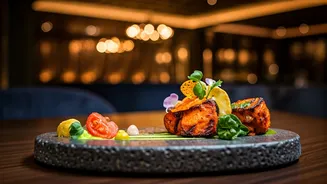
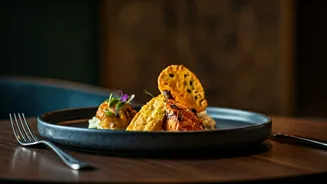
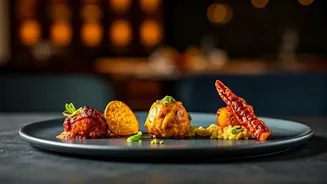
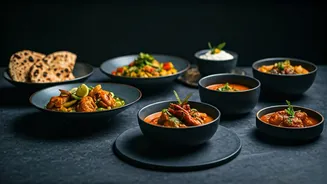
So, what’s driving this glow-up? It’s a perfect storm of cultural confidence and changing consumer desires. A new generation of Indian chefs, many of whom trained in Michelin-starred kitchens abroad, returned home with a fresh perspective. Instead of copying Western fine dining, they began looking inward, exploring the culinary traditions of their own grandparents and forgotten regional recipes. This coincided with the rise of a new Indian diner: urban, well-traveled, and globally connected, but also deeply interested in their own heritage. This audience doesn’t just want food that tastes good; they want food with a story. They crave authenticity, but an authenticity that fits into their modern lives—beautifully plated, thoughtfully sourced, and served in a chic, contemporary setting. It’s a rejection of the idea that Indian food has to be heavy, cheap, or one-note.
Nostalgia on the Plate
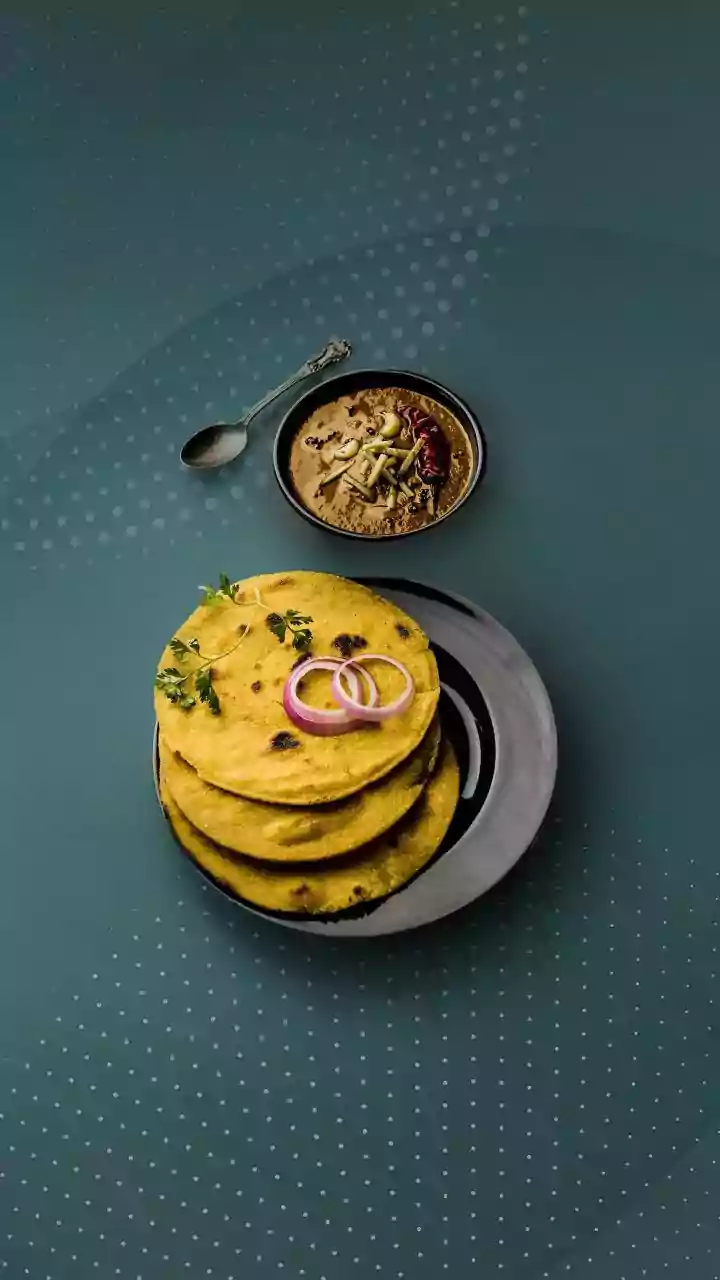
Ultimately, the success of this trend comes down to emotion. These restaurants are selling more than just food; they are selling nostalgia. They are tapping into a collective memory of home and hearth. A dish like *pooran poli* (a sweet flatbread) or a simple fish curry made in a specific coastal style can transport a diner back to their grandmother's kitchen. For a growing diaspora and a generation of Indians who have moved from villages to megacities for work, this connection is powerful. It’s a taste of home, refined and reimagined for a public stage. By placing these humble dishes on their menus, chefs are making a profound statement: that the food of our everyday lives is worthy of respect, celebration, and a place at the high table.