

The Geographic Sweet Spot
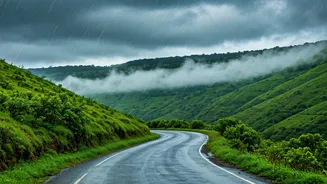
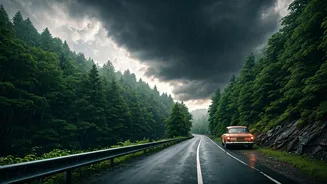
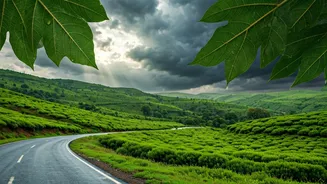
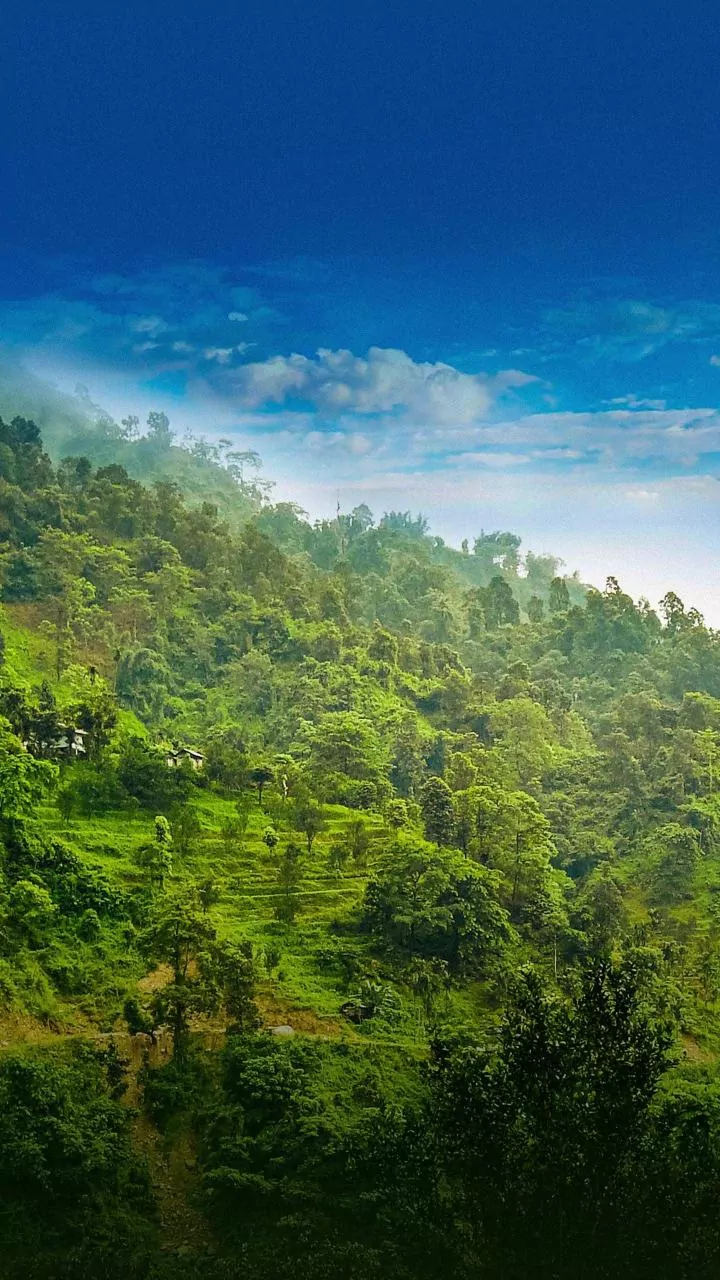
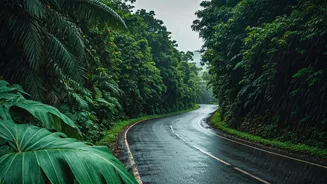
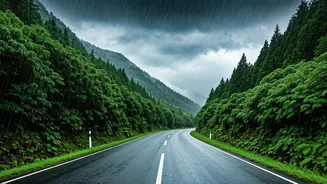
The secret to Maharashtra’s monsoon magic lies in its geography, specifically the Sahyadri mountain range, also known as the Western Ghats. Unlike the towering, formidable Himalayas in northern states like Himachal Pradesh or Uttarakhand, the Sahyadris
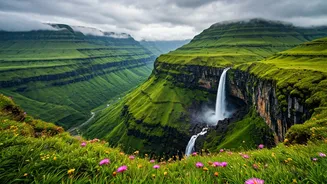
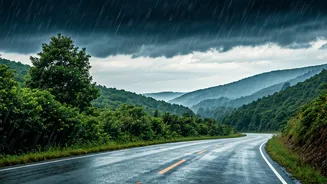
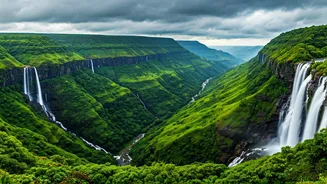
are older, gentler, and more rolling. These are not jagged, snow-capped peaks but ancient, basalt-rock plateaus and hills that average around 3,000 to 5,000 feet in elevation. When the monsoon clouds roll in from the Arabian Sea, they hit this first major barrier, releasing their torrential payload. The volcanic rock of the Deccan Plateau, which forms the foundation of these hills, is non-porous. Instead of absorbing the water, the land channels it, creating a dramatic, immediate, and widespread water show. This is a key difference from the Himalayan foothills, where the geology and extreme altitudes can lead to more destructive landslides and less accessible beauty during the peak rainy season.
Proximity Creates a Unique Culture
Another defining factor is unparalleled accessibility. Maharashtra’s most stunning monsoon landscapes are a mere two-to-four-hour drive from the megacities of Mumbai and Pune. This proximity has fostered a vibrant “monsoon culture” that is largely absent in other regions where beautiful hill stations are a multi-day journey away. For millions of city dwellers, a weekend drive to places like Lonavala, Malshej Ghat, or Bhandardara isn't a major expedition; it’s a spontaneous ritual. This easy access has turned the monsoon into an event for mass participation. Roads are lined with pop-up stalls selling roasted corn on the cob (bhutta) and hot tea (chai), and families flock to viewpoints to get drenched in the spray of a roadside waterfall. In contrast, the monsoon in the Himalayas is often a time for caution, with tourists advised to stay away due to washed-out roads and the risk of being stranded.
A Symphony of Waterfalls
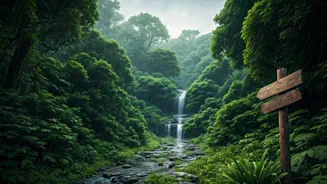
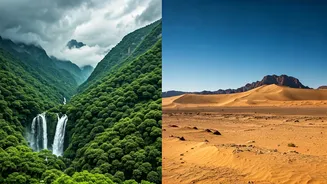
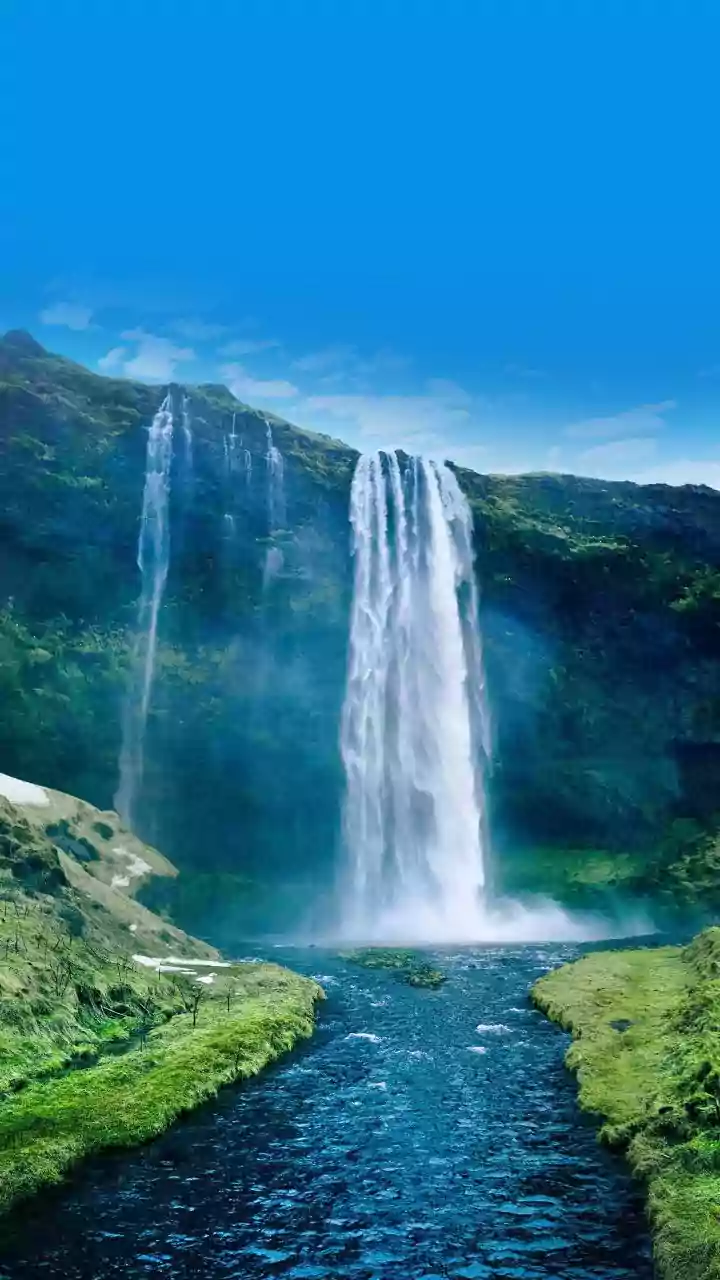
While many hilly regions have waterfalls, Maharashtra offers them on an entirely different scale and character. The state’s flat-topped hills and stepped plateaus become a canvas for literally thousands of temporary, seasonal waterfalls. During a heavy downpour, it’s not uncommon to see dozens of silver cascades streaming down a single mountainside. These aren’t just a few mighty falls but a network of countless streams that appear almost out of nowhere, tumbling over the dark rock faces. The phenomenon of “reverse waterfalls” also occurs in several spots, where strong monsoon winds push the water from a cascade upwards, creating a mesmerizing, gravity-defying spray. This sheer density and variety of water features, from gentle rivulets to roaring torrents, is the visual centerpiece of the Maharashtrian monsoon.
The Valley of Flowers Phenomenon
The magic isn’t just about water; it's about the life that follows. The prime example is the Kaas Plateau, a UNESCO World Natural Heritage site. For most of the year, it’s a dry, windswept expanse. But for a few weeks after the heaviest rains subside (typically in August and September), the entire plateau erupts into a carpet of endemic wildflowers. Millions of tiny blooms in shades of pink, purple, yellow, and white cover every inch of the ground, creating a breathtaking natural spectacle. While the Himalayas have their famous “Valley of Flowers,” the Kaas Plateau offers a different, more concentrated and accessible version of this floral explosion, directly tied to the unique conditions of the Deccan Plateau’s laterite soil and the preceding monsoon deluge.