






Start at the Top: Your Roof
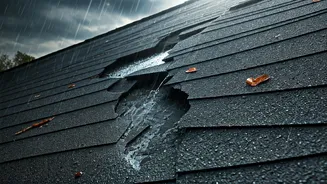
Your roof is the first and most critical line of defense against rain. Even a single missing, cracked, or curled shingle can become an entry point for water, leading to rotted roof decking, damaged insulation, and stained ceilings. At least twice a year—ideally
in the spring and fall—perform a visual inspection from the ground with binoculars. Look for obvious signs of damage. Also, check flashing around chimneys, skylights, and vents, as these are common failure points. If you spot trouble, or if your roof is over 15 years old, consider hiring a professional for a more thorough inspection. A small repair now is infinitely cheaper than a major leak later.
Clean Your Gutters and Downspouts
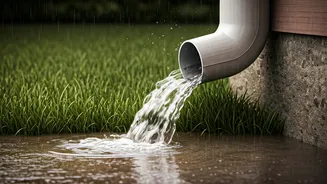
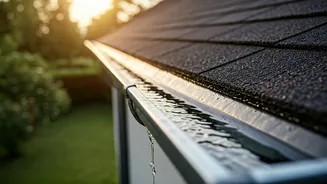
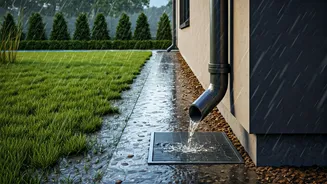
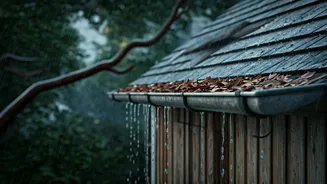
It’s a chore nobody loves, but clogged gutters are a primary cause of rain-related home damage. When gutters are full of leaves and debris, rainwater can't drain properly. Instead, it overflows, saturating the fascia boards behind the gutter, running down your home’s siding, and pooling around the foundation. This can lead to wood rot, pest infestations, and basement flooding. Clean your gutters at least twice a year. While you're up there, ensure downspouts are clear and directing water at least six feet away from your foundation. Downspout extenders are a cheap and effective way to achieve this.
Seal Windows and Doors
Your home's windows and doors are other potential weak spots. Over time, the caulk and weatherstripping that seal them can crack, shrink, and deteriorate. This allows wind-driven rain to seep into your walls, where it can cause mold, rot, and structural damage that goes unseen for months or even years. Inspect the seals around every exterior window and door. Look for gaps or cracks in the caulk. If you find any, scrape out the old material and apply a fresh bead of high-quality exterior caulk. Check weatherstripping for brittleness or damage and replace it as needed.
Mind the Ground Game: Grading and Foundation
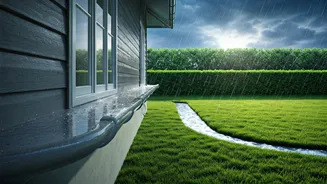
The battle against water damage isn't just fought on the roof; it’s also fought on the ground. The soil around your house should slope away from the foundation, a concept known as 'positive grading.' This ensures that rainwater flows away from your home, not toward it. If the ground has settled and slopes toward your house, water will pool against the foundation, creating hydrostatic pressure that can force moisture through tiny cracks in the concrete, leading to a damp or flooded basement. If you notice pooling water, consider adding soil to build up the grade. Also, regularly inspect your foundation for cracks and seal them with an appropriate masonry sealant.
Test Your Sump Pump
If you have a basement or crawlspace in an area with a high water table, your sump pump is a non-negotiable piece of equipment. But it’s no use if it doesn’t work when you need it most. You should test your sump pump before the rainy season begins. Simply pour a bucket of water into the sump pit to ensure the pump activates, removes the water, and shuts off properly. Many homeowners also invest in a battery backup system. A heavy storm that can cause flooding is often the same one that knocks out the power, rendering a standard sump pump useless just when it's needed most.