



Why This Works: The Science of the Peel
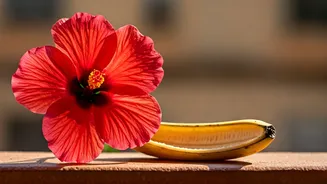
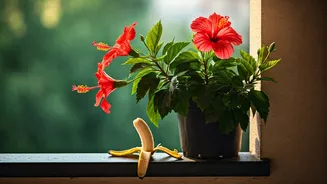
Before you dismiss it as just another internet hack, there’s real plant science behind the banana peel's power. Banana peels are famously rich in potassium, one of the three primary macronutrients plants need to thrive (the 'K' in N-P-K fertilizer ratios).
While nitrogen (N) promotes leafy green growth and phosphorus (P) supports root and fruit development, potassium is the MVP for overall plant vigor and, most importantly for our purposes, flowering. Hibiscus plants are known as 'heavy feeders,' meaning they have a hearty appetite for nutrients, especially during their blooming season. Potassium helps regulate a plant’s water intake, strengthens cell walls, and plays a crucial role in activating the enzymes responsible for producing big, beautiful flowers. By providing a supplemental potassium boost, you're essentially giving your hibiscus the specific fuel it needs to put on a spectacular floral show. Think of it as a targeted energy drink for blooms.
The Easiest Method: 'Banana Peel Tea'
The simplest and most effective way to deliver these nutrients without attracting pests is to make 'banana peel tea.' This liquid fertilizer is easy for your plant's roots to absorb and is perfect for container-grown plants on a balcony or patio. Here’s how to do it: 1. **Collect & Chop:** After enjoying a banana, don't toss the peel. Chop it into small, one-inch pieces. The smaller the pieces, the more surface area is exposed, allowing nutrients to leach into the water more easily. 2. **Soak:** Place the chopped peels into a large mason jar or pitcher and cover them with water. A good ratio is one or two peels per quart of water. Seal the container. 3. **Steep:** Let the jar sit for two to three days in a cool, dark place. The water will turn a light brownish color as it absorbs the potassium, along with smaller amounts of magnesium and other micronutrients from the peels. 4. **Strain & Dilute:** After a few days, strain the liquid to remove the solid peel pieces (which can now be composted). To avoid overwhelming your plant, dilute the 'tea' with an equal amount of fresh water. 5. **Water:** Use this diluted banana peel tea to water your hibiscus plant as you normally would, pouring it directly onto the soil. Aim to do this once every two to three weeks during the growing season for a consistent nutrient boost.
A Slower Approach: The 'Chop and Bury'
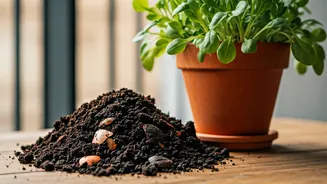
If making tea seems like too much effort, you can also add peels directly to the soil. However, this requires a bit more care. Tossing a whole peel on top of the pot is a bad idea—it breaks down slowly, looks unsightly, and can attract fruit flies, fungus gnats, and other pests. The correct way is the 'chop and bury' method. Cut the peel into very small pieces. Using a small trowel or even just your fingers, dig a shallow trench about one to two inches deep around the base of your hibiscus plant, being careful not to disturb the main roots. Sprinkle the chopped peel pieces into the trench and cover them back up with soil. This process allows the peels to decompose underground, releasing their nutrients slowly over time. This acts more like a slow-release fertilizer, conditioning the soil as it breaks down.
The Gardener's Gold Standard: Composting
While the tea and bury methods are great direct-use hacks, the absolute best way to use banana peels is to add them to your compost pile or bin. Composting breaks down organic matter into a dark, nutrient-rich soil amendment called humus. When you add banana peels to a balanced compost pile (with a good mix of 'greens' like kitchen scraps and 'browns' like dried leaves), you’re creating a complete, well-rounded fertilizer. The finished compost will not only contain the potassium from the bananas but also a wide spectrum of other macro and micronutrients from everything else in the bin. Applying a layer of this finished compost to the top of your hibiscus pot each season enriches the soil, improves its structure and water retention, and provides a slow, steady supply of balanced nutrition, preventing the risk of nutrient burn or imbalance.
Important Caveats for Blooming Success
While banana peels are a fantastic supplement, they are not a silver bullet. For truly massive blooms, you need to cover all the bases. First, remember that banana peels provide potassium but very little nitrogen. Your hibiscus still needs a balanced fertilizer during its main growing season to support overall health. Think of the banana peel tea as a specialty bloom booster, not a complete meal. Second, and most importantly, hibiscus blooms depend on sunlight. No amount of fertilizer can make up for inadequate light. Ensure your balcony hibiscus gets at least six hours of direct sunlight per day. Consistent watering—keeping the soil moist but not waterlogged—is also critical. Use the banana peel trick as one part of a holistic care routine, and you’ll give your plant everything it needs to thrive.