







Embrace the Power of Yogurt
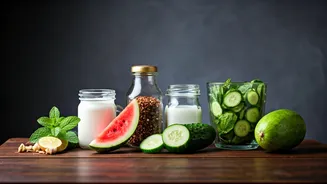
Let’s start with the most famous cooling agent in the Indian culinary arsenal: yogurt. Known as 'dahi,' it’s the foundation for two of the most essential summer staples. First is raita, a simple side dish of yogurt mixed with grated cucumber, chopped
mint, and a sprinkle of roasted cumin. It's served alongside spicy mains for a reason—it’s not just a palate cleanser, it actively cools the body. Then there’s lassi, the iconic yogurt-based drink. While mango lassi is a popular sweet treat, the traditional version is often savory (with salt, cumin, and mint) or plain. Both are incredibly effective at lowering body temperature and aiding digestion, making them the perfect antidote to a scorching afternoon.
Not All Spices Are Created Equal
It seems counterintuitive, but many spices used in Indian cooking have a cooling effect. This concept comes from Ayurveda, the ancient Indian system of holistic medicine, which classifies foods based on their energetic properties. While 'heating' spices like chilis, ginger, and black pepper make you sweat (another cooling mechanism), 'cooling' spices work from within. Mint is the undisputed champion, used liberally in chutneys and drinks. Fennel seeds, often served after a meal as a digestive aid, are also prized for their cooling properties. Others include coriander, cardamom, and saffron. A dish seasoned with these spices provides complex flavor without adding to the body's heat load.
Drink Your Way to Cool
Beyond lassi, there is a whole universe of traditional Indian drinks designed specifically to combat the heat. Aam Panna is a tangy, sweet-and-sour beverage made from boiled raw green mangoes, mint, and cumin; it’s a powerhouse of electrolytes, perfect for preventing dehydration. Another favorite is Jal-Jeera, which translates to 'cumin water.' This savory, spicy, and sour drink is an acquired taste for some, but its blend of cumin, mint, ginger, and tamarind is uniquely refreshing and stimulates the appetite even on the hottest days. For something simpler, Nimbu Pani (Indian lemonade, often with a hint of salt and cumin) is a go-to for instant refreshment.
The Cool Side of the Curry Menu
Not every curry is a fiery, sweat-inducing affair. Many regional Indian cuisines feature lighter, yogurt-based or coconut-based curries that are ideal for warmer weather. Look for 'kadi,' a popular dish made from a yogurt and chickpea flour base, often lightly spiced and sometimes containing vegetable fritters called pakoras. In Southern India, dishes like 'avial' (a mix of vegetables in a coconut and yogurt sauce) or a simple 'moru' curry (a buttermilk-based dish) are staples. These preparations are nourishing without being heavy, providing a satisfying meal that won't leave you feeling sluggish in the heat.
Explore Fresh Salads and Chaats
Indian cuisine also has a vibrant tradition of fresh, uncooked, or lightly cooked salads known as 'koshimbir.' The most common is a Maharashtrian cucumber and peanut salad, dressed with lemon juice, cilantro, and sometimes a light tempering of mustard seeds. These salads are crisp, hydrating, and packed with flavor. Similarly, while many 'chaats' (savory snacks) are fried, fruit chaat is a popular summer alternative. It’s a simple mix of seasonal fruits like melon, apple, banana, and pomegranate seeds, tossed with a special 'chaat masala' spice blend and a squeeze of lime. The result is a sweet, savory, and tangy explosion that is the definition of refreshing.