



What is a Hyper-Personalized AI Tutor?
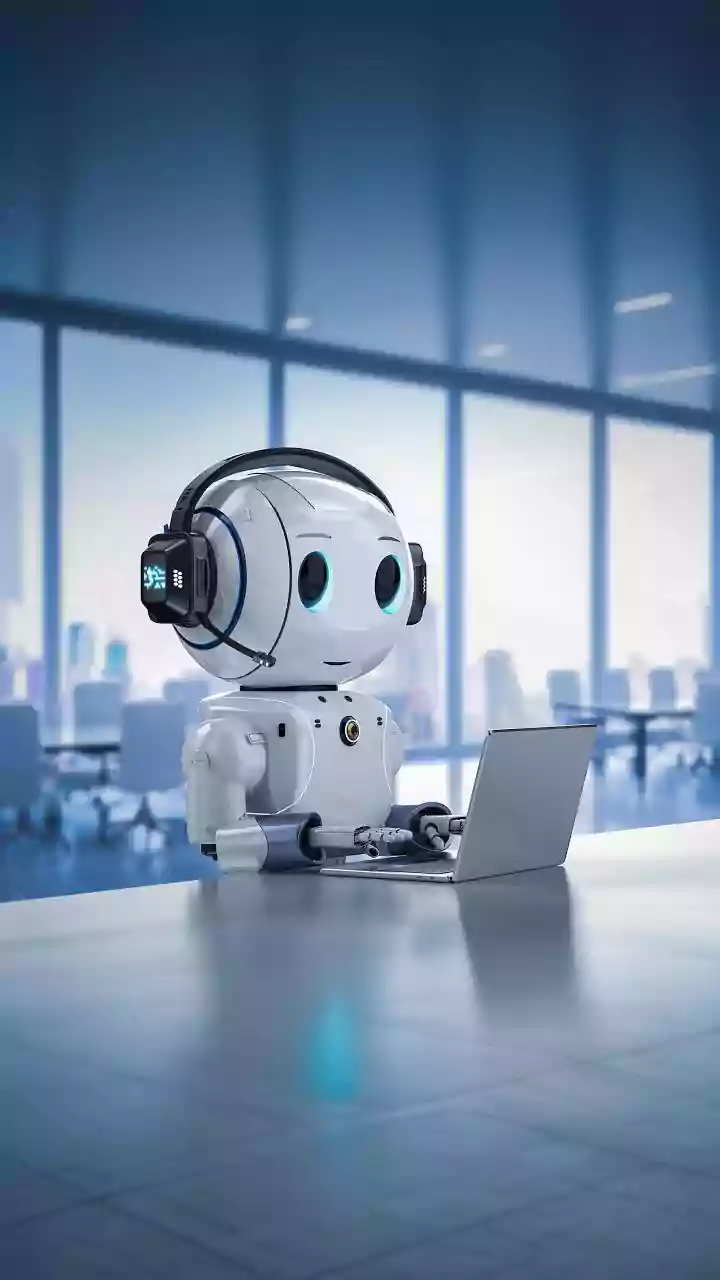
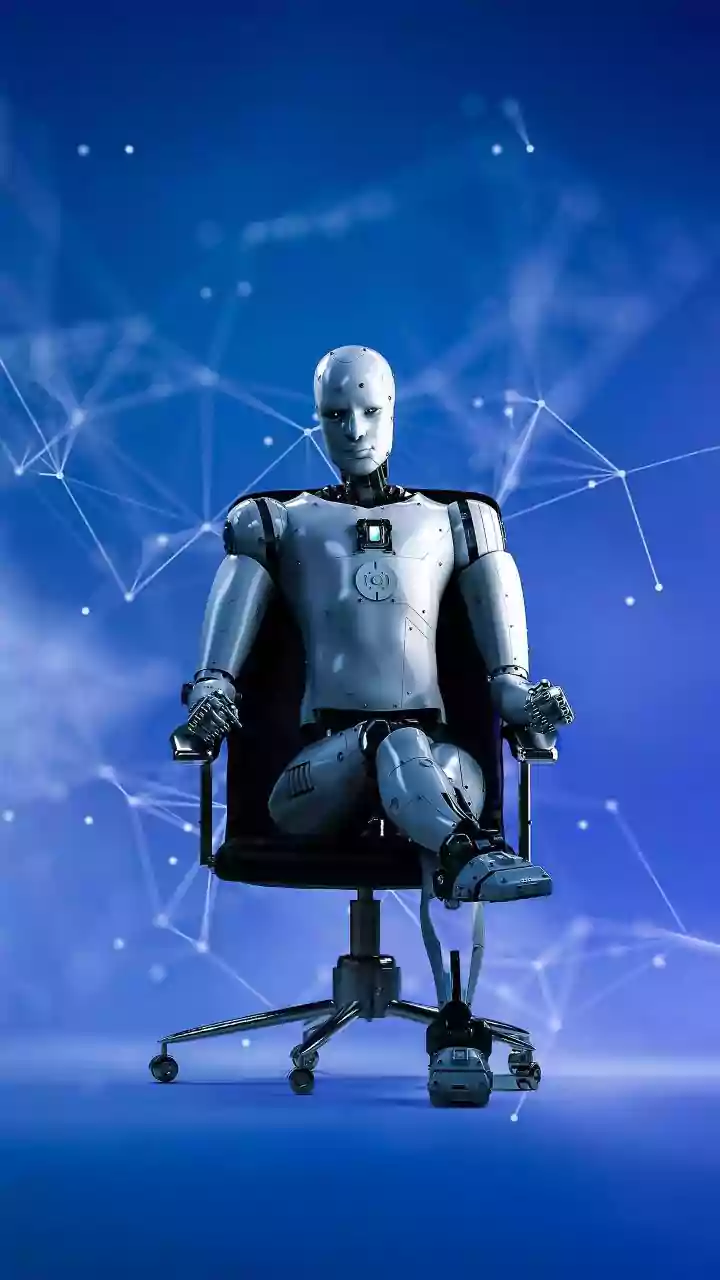
At its core, a hyper-personalized AI tutor is a sophisticated software program, often powered by the same large language models (LLMs) behind tools like ChatGPT, but fine-tuned for education. Unlike a simple search engine, these tutors are designed to engage
in a Socratic dialogue with students. They don't just give answers; they ask guiding questions, identify gaps in understanding, and offer customized explanations and practice problems. The 'hyper-personalized' aspect comes from the AI's ability to remember a student's past performance, learning pace, and common mistakes, allowing it to tailor future interactions specifically to that individual's needs. Think of it as a digital study partner that has a perfect memory of your academic journey and is entirely focused on your success.
The Campus Test Kitchens
This isn't just a theoretical concept; it's being actively tested at prominent American universities. Arizona State University, known for its innovation in education technology, partnered with OpenAI to develop custom AI tools, including tutors that can assist students in courses like freshman composition. Similarly, the University of Michigan has launched its own suite of AI tools, creating a 'WolverineGPT' to serve as a personalized academic assistant for its community. At Harvard, the introductory computer science course, CS50, now features its own AI teaching assistant to help students debug code and understand complex concepts. These pilot programs are essentially large-scale research projects designed to determine how—and if—AI can effectively supplement traditional teaching methods.
The Promise of Equity and Scale
Proponents argue that AI tutors could be a powerful force for educational equity. Top-tier private tutoring is a luxury few can afford, but an AI assistant can be scaled to every student in a university for a fraction of the cost. This provides a lifeline for students who may be hesitant to speak up in a large lecture hall or who do their best work late at night, long after professors' office hours have ended. The immediate, non-judgmental feedback can help build confidence and prevent students from falling behind. For universities, it’s a way to provide scalable, 24/7 support without needing a proportional increase in human staff, potentially improving retention rates and overall student outcomes.
The Human Element and Lingering Questions
Despite the optimism, the rise of AI tutors raises critical questions. The primary concern is that they could become a crutch or, worse, a replacement for the invaluable mentorship provided by human educators. Learning isn't just about information transfer; it's about inspiration, critical debate, and the human connection that a professor can provide. There are also practical concerns about the accuracy of AI-generated information, the potential for students to use the tools to cheat rather than learn, and the data privacy implications of tracking a student’s every academic move. Educators are grappling with how to integrate these tools meaningfully—as a supplement to enhance learning, not a substitute for the core experience of a human-led education.