






The Old Status Symbol: The Two-Hour Gym Session
Not long ago, the ultimate fitness badge of honor was endurance—and not just the physical kind. It was the endurance to spend a huge chunk of your day at the gym. A two-hour session, complete with a lengthy warmup, multiple muscle groups, and a 20-minute
cool-down, was the gold standard. Posting a sweaty, exhausted selfie after 90 minutes on the elliptical wasn’t just about health; it was a social signal. It said, “I have the free time, the physical capacity, and the iron will to dedicate a significant portion of my life to this.” This mindset was a product of the “more is more” era of fitness. We were taught that results were directly proportional to time logged. Missing a day felt like a failure. A workout under an hour felt like cheating. The discipline flex was about sheer volume. It was a war of attrition against the self, and the person who could grind the longest was the undisputed champion of the locker room.
The New Flex: Maximum Impact, Minimum Time
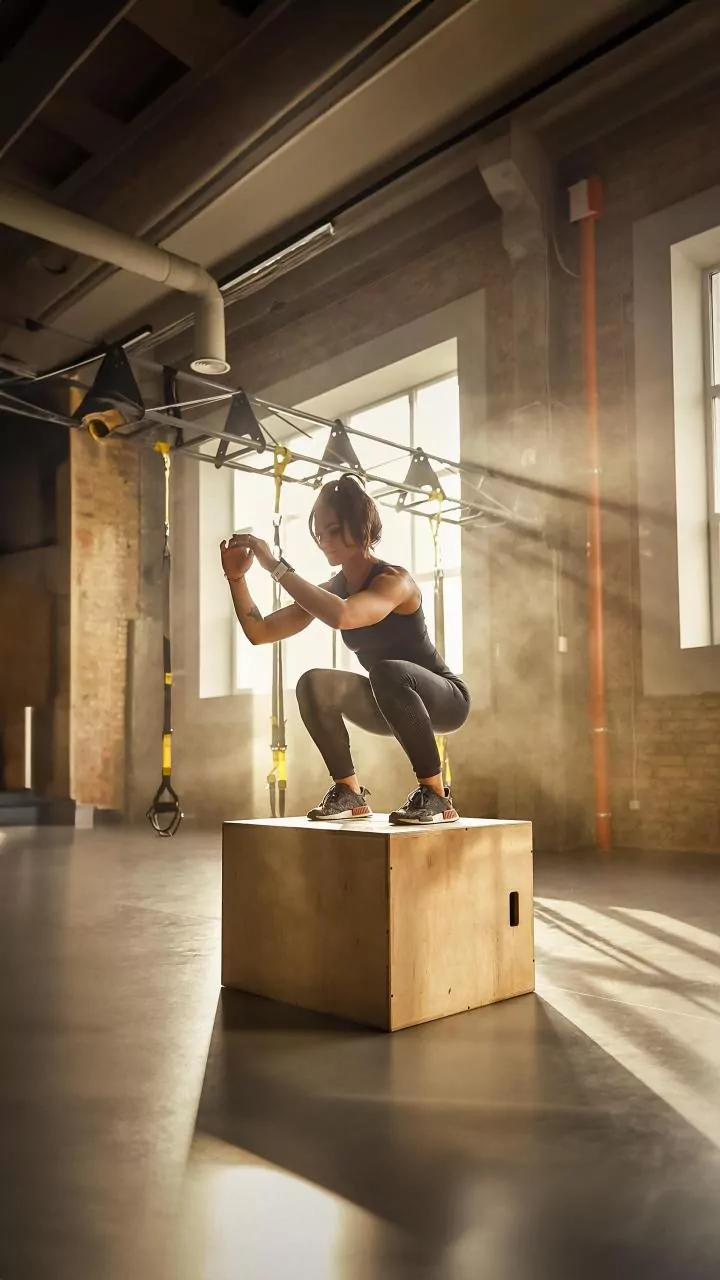
Enter the new discipline flex: the surgically precise, brutally efficient 15-minute workout. Today, the flex isn’t about having endless time; it's about proving you don't need it. It’s a signal of masterful time management, a deep understanding of exercise science, and an almost ruthless focus. Squeezing a high-intensity interval training (HIIT) session between a board meeting and a client call is the new power move. It says, “My time is my most valuable asset, and I can achieve in 12 minutes what takes others an hour.”
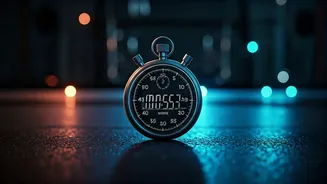
This cultural shift aligns perfectly with our modern obsession with productivity and life-hacking. We optimize our sleep, our diets, and our workflows, so why not our workouts? The new discipline isn’t about enduring boredom on a treadmill. It’s the mental fortitude to push yourself to your absolute limit for 60 seconds, recover for 30, and repeat. It’s about intensity over duration, and focus over mindless repetition. This is the fitness ethos of a generation that values efficiency above all else.
But Does It Actually Work?
The humblebrag is one thing, but the science is what gives this trend its staying power. And the research is surprisingly compelling. Studies from institutions like McMaster University have shown that short bursts of intense exercise can provide many of the same cardiovascular and metabolic benefits as longer, moderate-endurance workouts. This type of training, often called HIIT, improves heart health, increases metabolism, and builds muscle in a fraction of the time.
Then there’s the concept of “exercise snacking.” This isn’t about eating while you work out, but rather breaking up activity into small, digestible chunks throughout the day. A 2019 study published in the *British Journal of Sports Medicine* found that these micro-workouts—like taking the stairs, doing a minute of jumping jacks, or a few chair squats—can significantly improve health outcomes. The biggest benefit of the short-workout model might be psychological. It demolishes the “all-or-nothing” mentality that keeps so many people from exercising at all. If you don’t have an hour, the old model said to do nothing. The new model says a 10-minute workout is infinitely better than a zero-minute workout, and science backs that up.
How to Master the 15-Minute Flex
Adopting this mindset is less about specific exercises and more about a strategic approach to movement. The key is intensity. A casual 15-minute stroll is great, but it’s not the “flex.” A true short-session win involves pushing your body near its limits.
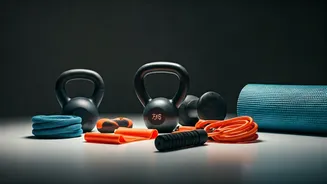
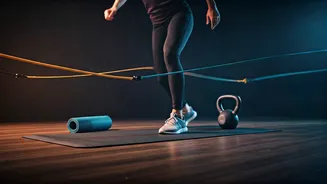
Start by finding a modality you can perform with intensity. This could be a Tabata-style workout (20 seconds of all-out effort, 10 seconds of rest, repeated eight times), a fast-paced kettlebell flow, a series of burpees, or sprinting on a stationary bike. The goal is to elevate your heart rate quickly and keep it there during the work periods. For exercise snacking, look for opportunities to integrate movement. Take the stairs two at a time. While waiting for your coffee to brew, do as many push-ups as you can. The point isn’t to replace longer workouts if you enjoy them, but to recognize the immense value and power packed into these compressed, focused efforts.