
A World Beyond Pumpkin Spice
For years, the American café menu has followed a predictable seasonal rhythm, dominated by a handful of Eurocentric flavors. We have our pumpkin spice autumns, our peppermint mocha winters, and a spring vaguely scented with lavender. But a richer, more
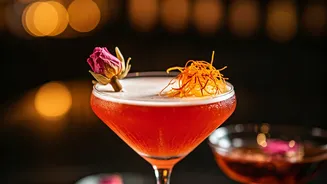
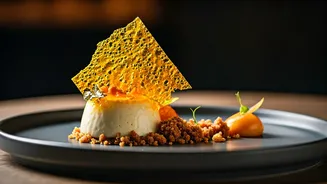
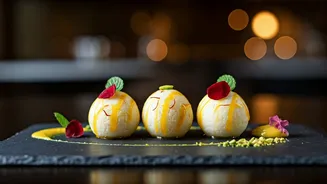
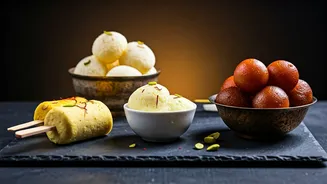
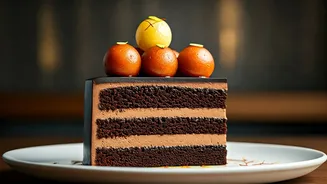
complex flavor wave is cresting, and it originates from the vibrant world of South Asian sweets, known as mithai. Across the country, innovative bakers and baristas are moving beyond the familiar to embrace the aromatic, nutty, and floral notes that define this beloved confectionary tradition. We’re not just talking about a sprinkle of spice; we’re talking about a fundamental reimagining of what a pastry or a latte can be. Think flaky croissants filled with pistachio and rose cream, cheesecakes infused with the essence of gulab jamun, and golden milk lattes spiced with turmeric and cardamom. This isn’t a fleeting gimmick; it’s a culinary evolution.
First, What Is Mithai?
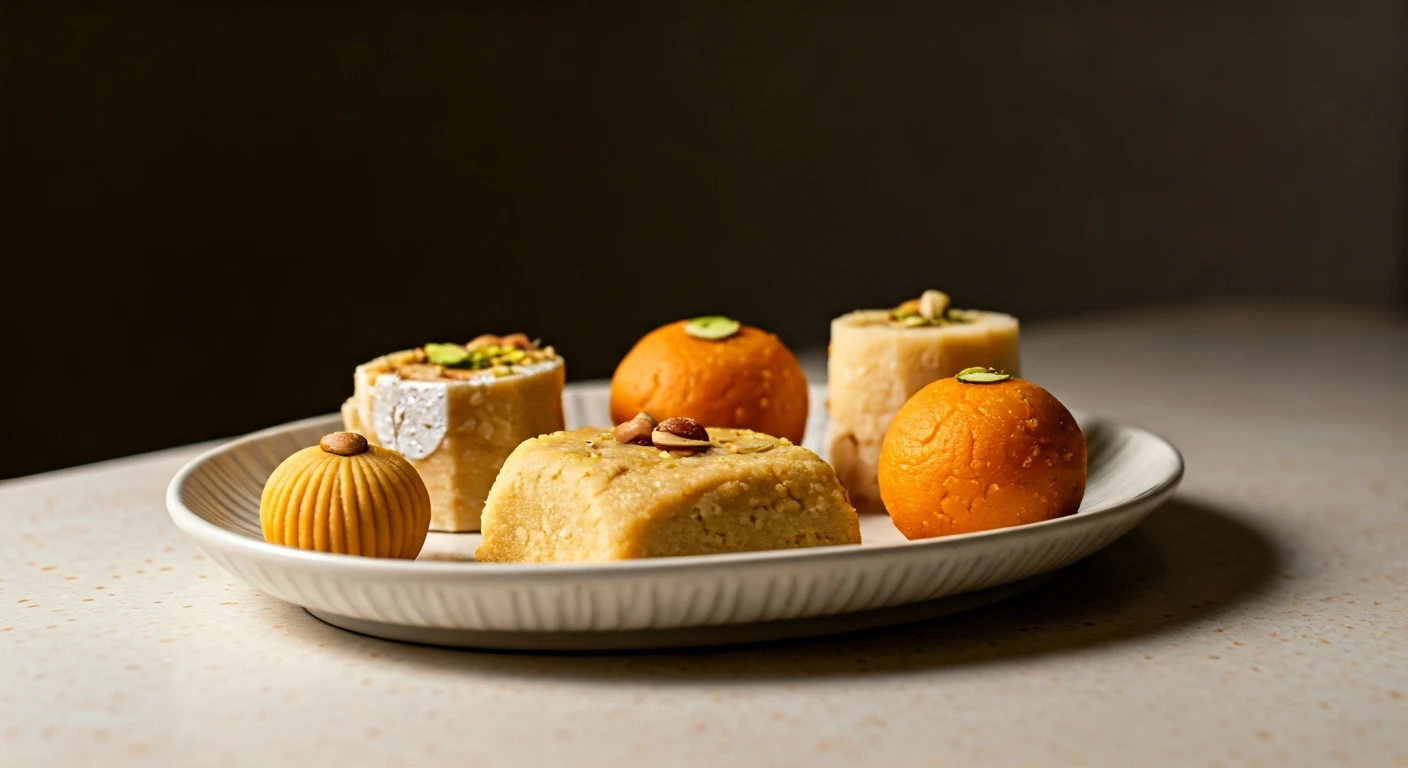
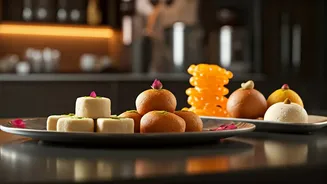
For the uninitiated, describing mithai as simply “Indian sweets” is like calling French pâtisserie “European cakes.” It’s a vast, regionally diverse, and deeply cultural category of confections. Unlike many Western desserts that rely heavily on processed sugar and flour, traditional mithai is often built from a base of milk solids (khoya), chickpea flour (besan), nuts, and unrefined sweeteners like jaggery. The textures are just as important as the flavors, ranging from the dense, fudgy consistency of barfi to the syrupy, spongy delight of gulab jamun or the intricate, crispy geometry of jalebi. These sweets are integral to celebrations, festivals, and daily life across South Asia, each carrying its own history and significance. Understanding this context is key to appreciating why their flavors are now making such a powerful statement in a new setting.
The New Flavor Pantheon
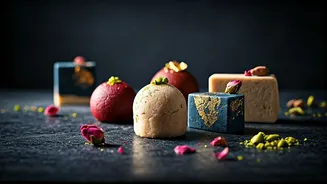
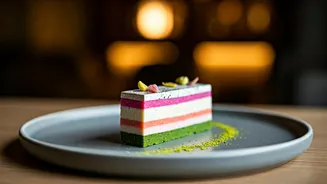
At the heart of this trend are a few key players from the mithai spice rack. Cardamom, the “queen of spices,” leads the charge. Its complex profile—slightly sweet, floral, and peppery—adds an incredible warmth to coffee and a sophisticated depth to baked goods. Rosewater, once relegated to niche markets, is now lending its heady, romantic aroma to everything from iced teas to donuts. Saffron, the world’s most expensive spice, brings its luxurious, earthy flavor and brilliant golden hue to cheesecakes and milk-based drinks. Pistachio, long a companion to these flavors in traditional mithai, offers its vibrant color and rich, nutty taste as a perfect textural and visual counterpoint. When these elements are combined, they create something that is at once novel and deeply traditional, transforming a simple morning coffee into a more complex and memorable experience.
A Story of Cultural Confidence
So, why now? This trend is much more than just flavor fusion. It’s a story of cultural confidence, driven largely by second- and third-generation South Asian American entrepreneurs. For decades, immigrant food culture often involved adapting to the American palate. Now, a new generation of chefs and creators is flipping the script. They are using the high-end techniques of Western pastry and coffee-making as a platform to celebrate, not dilute, the flavors of their heritage. They are presenting cardamom and saffron with the same reverence and craft once reserved for vanilla beans from Madagascar or chocolate from Belgium. This “luxe” approach reframes these ingredients as aspirational and sophisticated, commanding prime real estate on café menus in cities like New York, Los Angeles, and the Bay Area. It's a delicious declaration that their culture’s flavors don’t need to be hidden or watered down to be appreciated.