


The Valley of Quiet Beauty
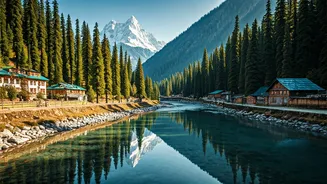
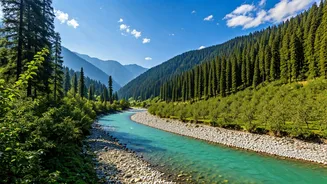
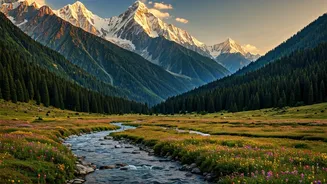
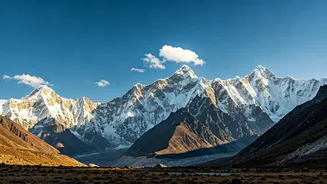
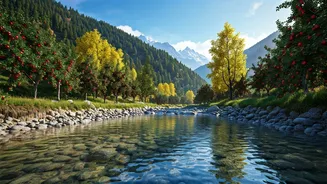
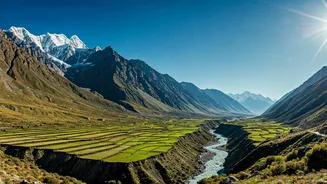
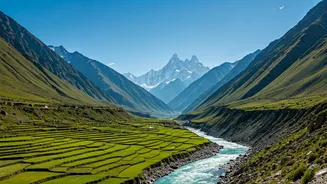
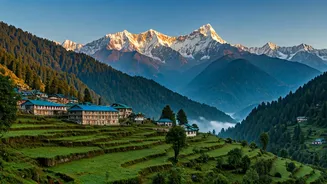
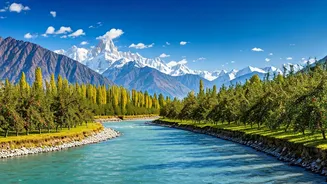
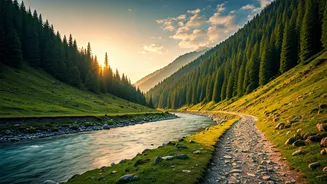
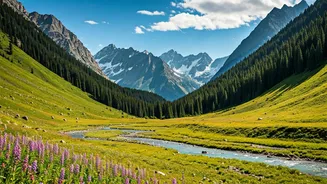
Tucked away in the state of Uttarakhand, about 15 miles shy of the famous pilgrimage site of Gangotri, Harsil is a small village that feels like a world apart. Situated on the banks of the Bhagirathi River, this serene hamlet is nestled in a valley surrounded
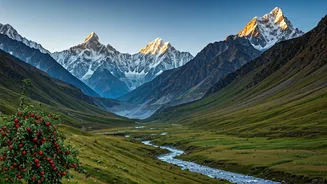
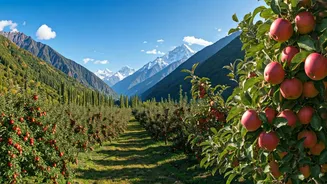
by dense deodar forests and snow-capped peaks. Unlike the stark, high-altitude landscapes of many Himalayan destinations, Harsil is lush and green, known for its sprawling apple orchards that blush red in the autumn. The air here is crisp and fragrant with the scent of pine, and the valley’s gentle geography makes it an accessible, inviting introduction to the high mountains without the grueling demands of a major trek.
An Antidote to Over-Tourism
For anyone who has felt the familiar disappointment of arriving at a famed natural wonder only to find it choked with crowds, Harsil is the antidote. While nearby destinations like Gangotri, Shimla, or Manali heave with pilgrims and tourists, Harsil has managed to retain its quiet, village-like character. Its relative obscurity and lack of large-scale hotel development mean that the “crowds” here consist of a handful of discerning travelers, trekkers, and motorcyclists. The mornings are particularly magical. You can wander down to the river, cup of chai in hand, and watch the sun crest the peaks in near-total solitude. It’s a place not for ticking off a checklist, but for truly being present in the mountains.
A Touch of Local Legend
Harsil's charm is deepened by its local lore, most famously tied to its apples. The story goes that Frederick “Pahari” Wilson, a British army deserter who fled to the Himalayas in the mid-19th century, settled in Harsil, married a local woman, and became a timber baron. More importantly for the region, he is credited with introducing apple cultivation to the valley. The apples he planted thrived in the climate, and today, Harsil apples are renowned throughout India for their sweetness. This history adds a layer of richness to the landscape; you’re not just in a pretty valley, but a place with a unique, tangible story you can literally taste.
What to Do Beyond the Sunrise
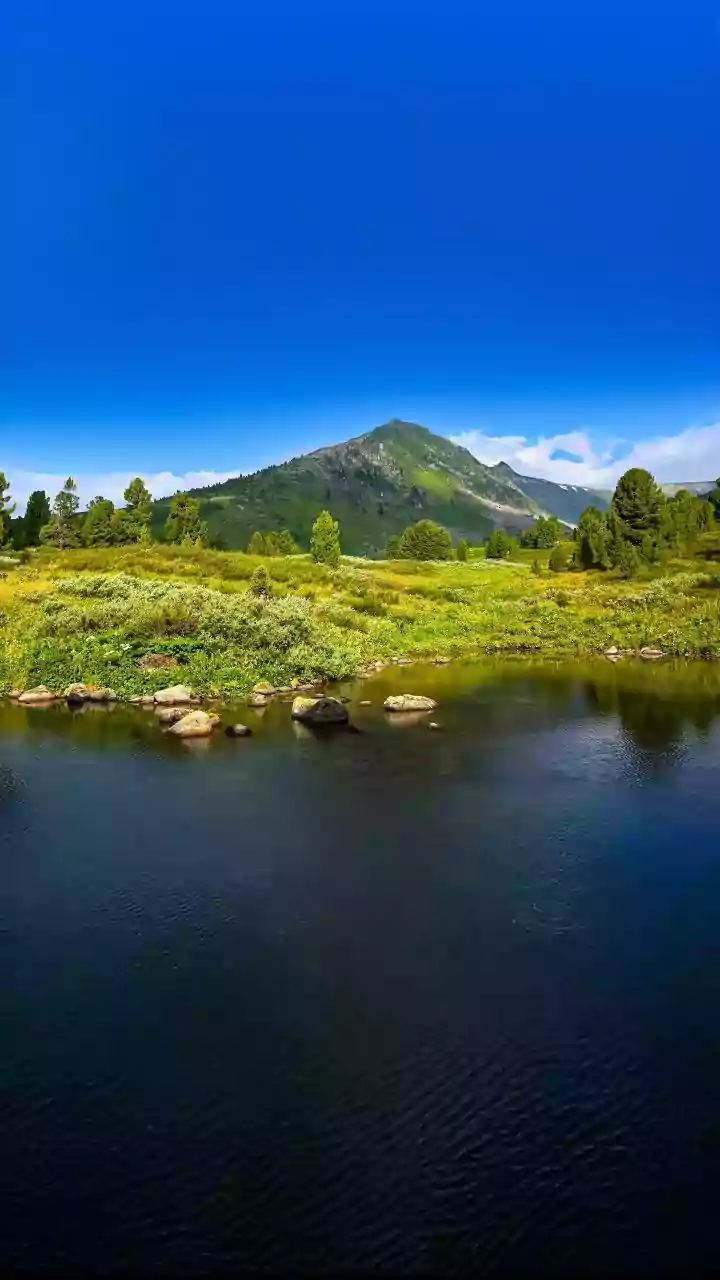
While Harsil’s main draw is its tranquility, it’s also an excellent base for gentle exploration. A short, beautiful trek leads to Sattal, a group of seven interconnected high-altitude lakes (though some may be dry depending on the season). For a dose of culture, you can visit the nearby Mukhba village, which serves as the winter home for the idol of the goddess Ganga when the Gangotri temple closes due to heavy snow. The village itself offers a fascinating glimpse into the rhythms of Himalayan life. But perhaps the best activity in Harsil is the simplest one: walking. Follow trails through the deodar forests, stroll along the riverbank to the small cantonment area, or hike up to a viewpoint to watch the colors change across the valley at dusk.
Planning Your Quiet Escape
The best time to visit Harsil is from late spring (April to June) for pleasant weather and clear skies, or in autumn (September to October) for the apple harvest and stunning fall foliage. The monsoon months of July and August should be avoided due to the risk of landslides. Reaching Harsil requires some effort, which helps preserve its charm. The nearest airport is in Dehradun, from which it's a long but incredibly scenic 8-10 hour drive. Accommodations are simple and rustic, consisting mostly of small guesthouses, homestays, and a few eco-resorts. Don’t expect luxury hotels or bustling markets. Instead, expect warm hospitality, home-cooked meals, and an uninterrupted connection with nature.