




A True Hydration Hero
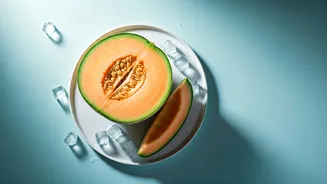
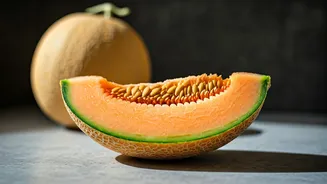
The core of cantaloupe’s cooling power is simple: water. This melon is composed of about 90% water, making it an incredibly effective way to hydrate from the inside out. When you’re sweating, you’re not just feeling hot; your body is actively losing fluids
it needs to function. A few slices of chilled cantaloupe can help replenish those stores deliciously. Unlike chugging plain water, which can sometimes feel like a chore, eating your water via juicy fruit is a refreshing treat. This high water content also means the fruit is naturally low in calories, making it a light, guilt-free snack that won’t weigh you down on a hot afternoon.
The Secret Weapon: Electrolytes
Here's where cantaloupe really earns its “anti-sweat” reputation. Sweat isn’t just water; it’s packed with essential minerals called electrolytes, primarily sodium and potassium. These are crucial for nerve function, muscle contractions, and maintaining proper fluid balance. When you lose too many, you can feel fatigued, cramp up, or get dizzy. Cantaloupe is a fantastic source of potassium, a key electrolyte that often doesn't get replenished as quickly as sodium. A single cup of cubed cantaloupe provides a significant portion of your daily potassium needs. By snacking on it, you’re not just rehydrating; you’re actively restoring the mineral balance that sweating disrupts, helping your body regulate its temperature more efficiently and recover faster from the heat.
More Than Just Water and Potassium
Beyond hydration, cantaloupe is a nutritional powerhouse that supports your body’s other defenses against summer stressors. It’s loaded with Vitamin C, a powerful antioxidant that helps protect your cells from damage, and Vitamin A (in the form of carotenoids), which is essential for healthy skin and vision. The summer sun can be harsh on your skin, and a diet rich in these vitamins can offer an internal layer of support. Think of it as a holistic approach to summer wellness: you’re cooling your body, replenishing fluids, and fortifying your system all at the same time.
How to Pick the Perfect Melon
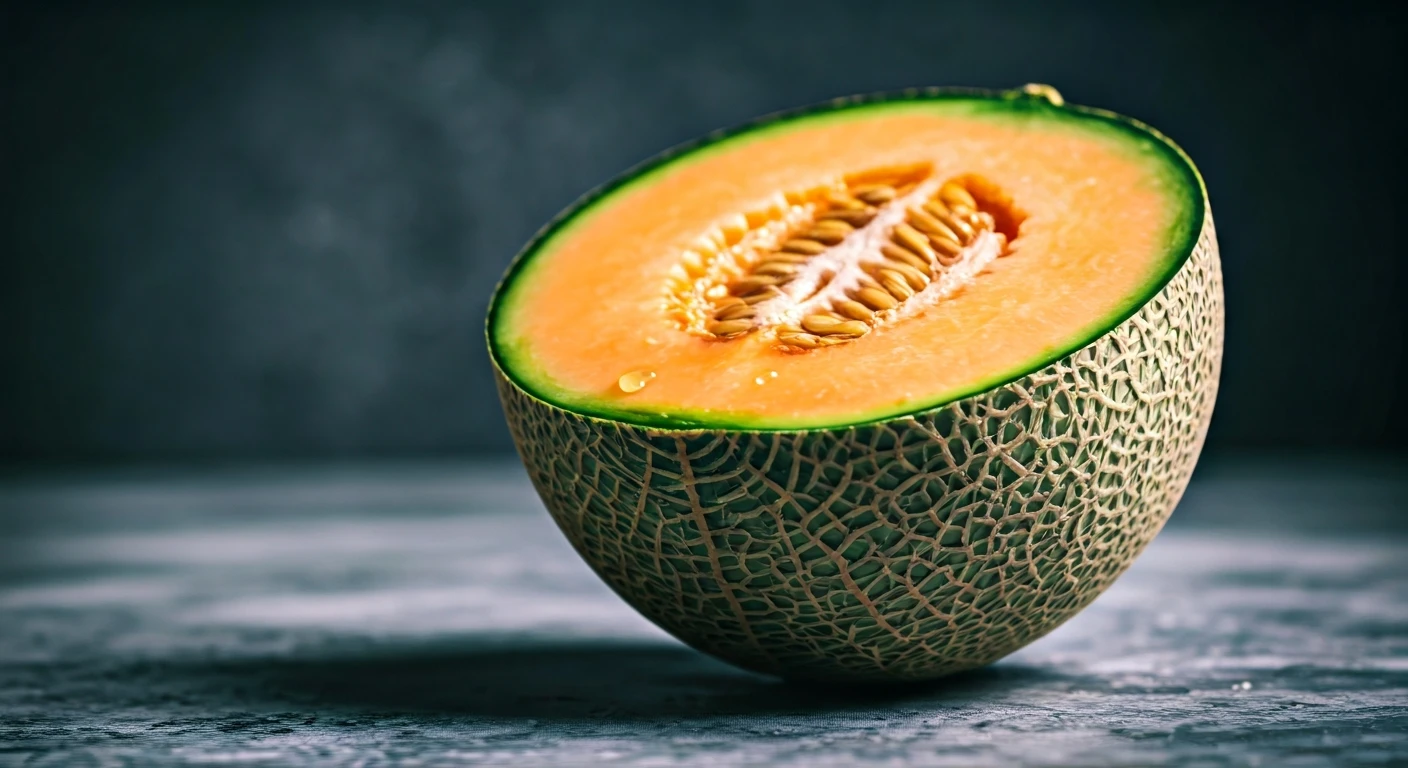
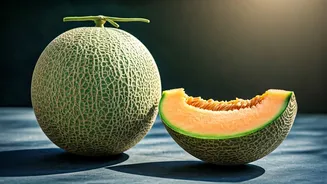
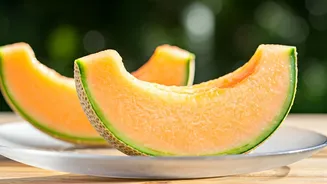
To get the best experience, you need to pick the best cantaloupe. A perfectly ripe melon is sweet, juicy, and fragrant. First, look at the color. The rind should be a creamy beige or yellowish color, not green. The netting pattern on the surface should be thick, raised, and well-defined. Next, check the stem end. It should have a clean, smooth indentation where the melon detached from the vine; if a piece of the stem is still attached, it was likely picked too early. Finally, use your senses. Give it a gentle tap; it should sound hollow. Most importantly, smell the blossom end (opposite the stem end). It should have a distinctly sweet, musky aroma. If there’s no smell, it’s not ripe yet.
Beyond the Basic Slice
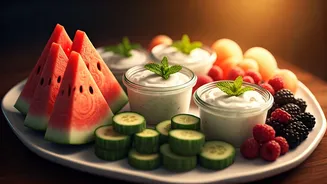
While a simple, cold wedge of cantaloupe is hard to beat, don’t be afraid to get creative. For an ultra-refreshing treat, cube the melon and freeze it on a baking sheet; the frozen cubes are perfect for adding to water or sparkling wine instead of ice. Blend chilled cantaloupe with a squeeze of lime and a few mint leaves for a hydrating smoothie or a simple gazpacho. For a savory twist, pair it with salty flavors. A salad of cantaloupe, feta cheese, red onion, and a light vinaigrette is a classic Mediterranean-inspired summer lunch. Or, go for the timeless combination of cantaloupe wrapped in thin slices of prosciutto for an elegant, no-cook appetizer.