


The 'Gram Before the Gulp
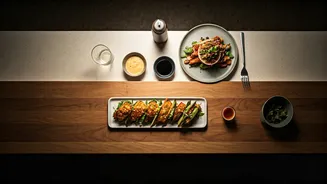
Walk through any popular food market, from Smorgasburg in Brooklyn to Grand Central Market in L.A., and you'll see it: diners with their phones out, angling for the perfect shot before their first bite. The modern food experience is now a two-part ritual:
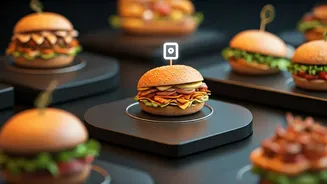
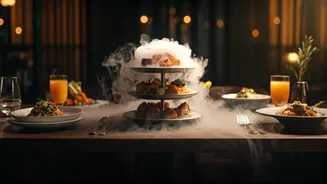
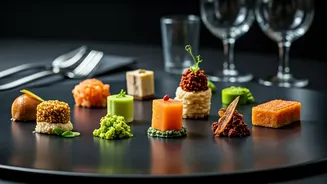
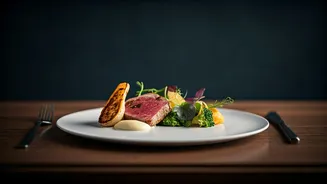
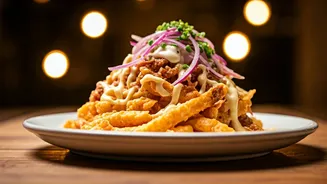
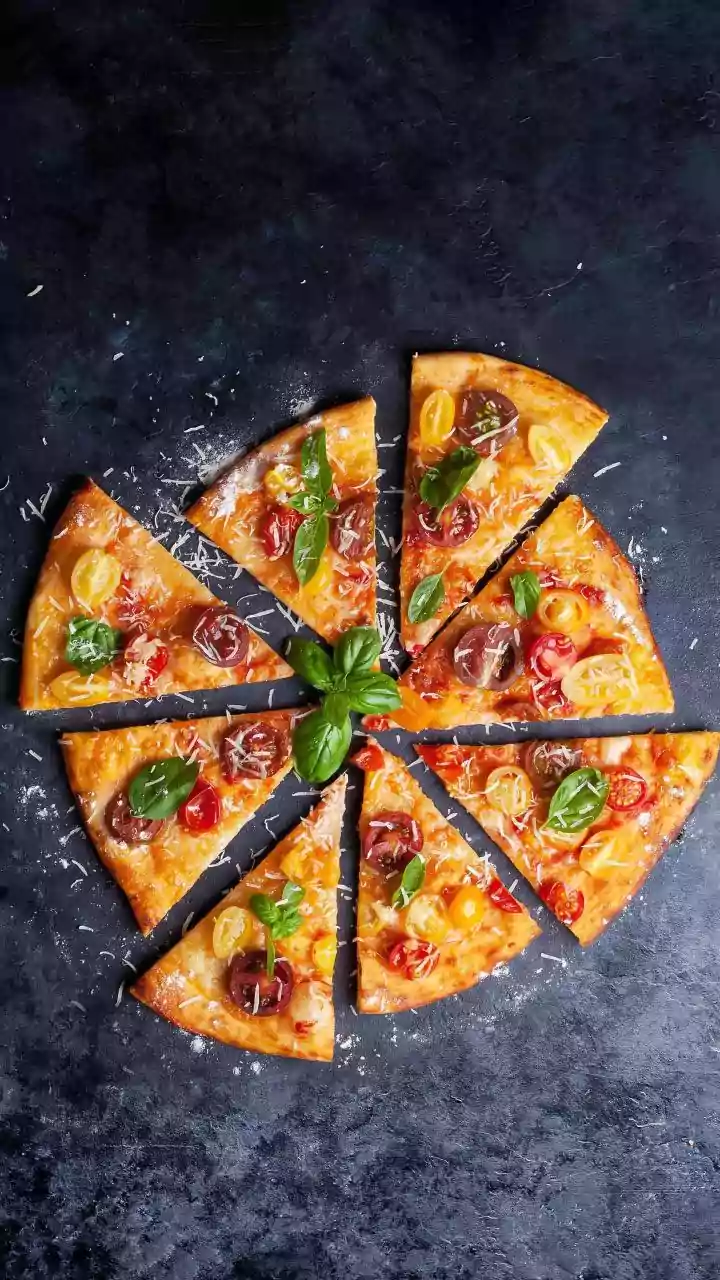
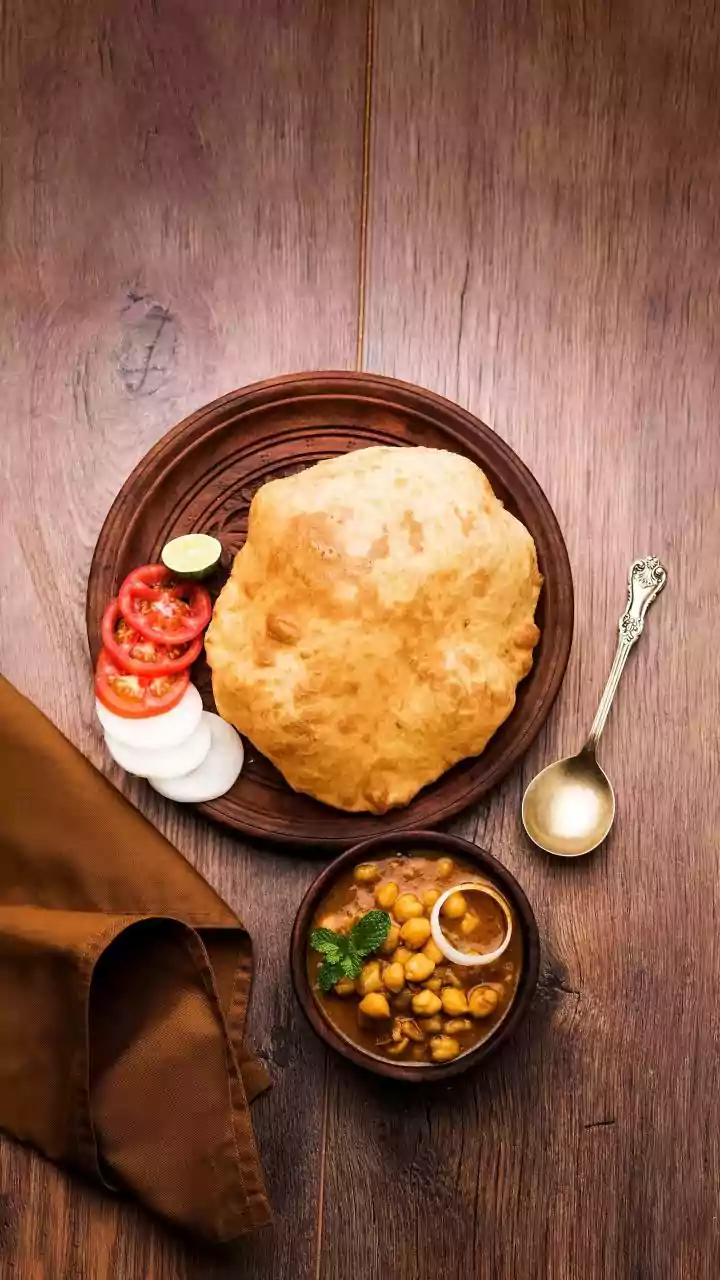
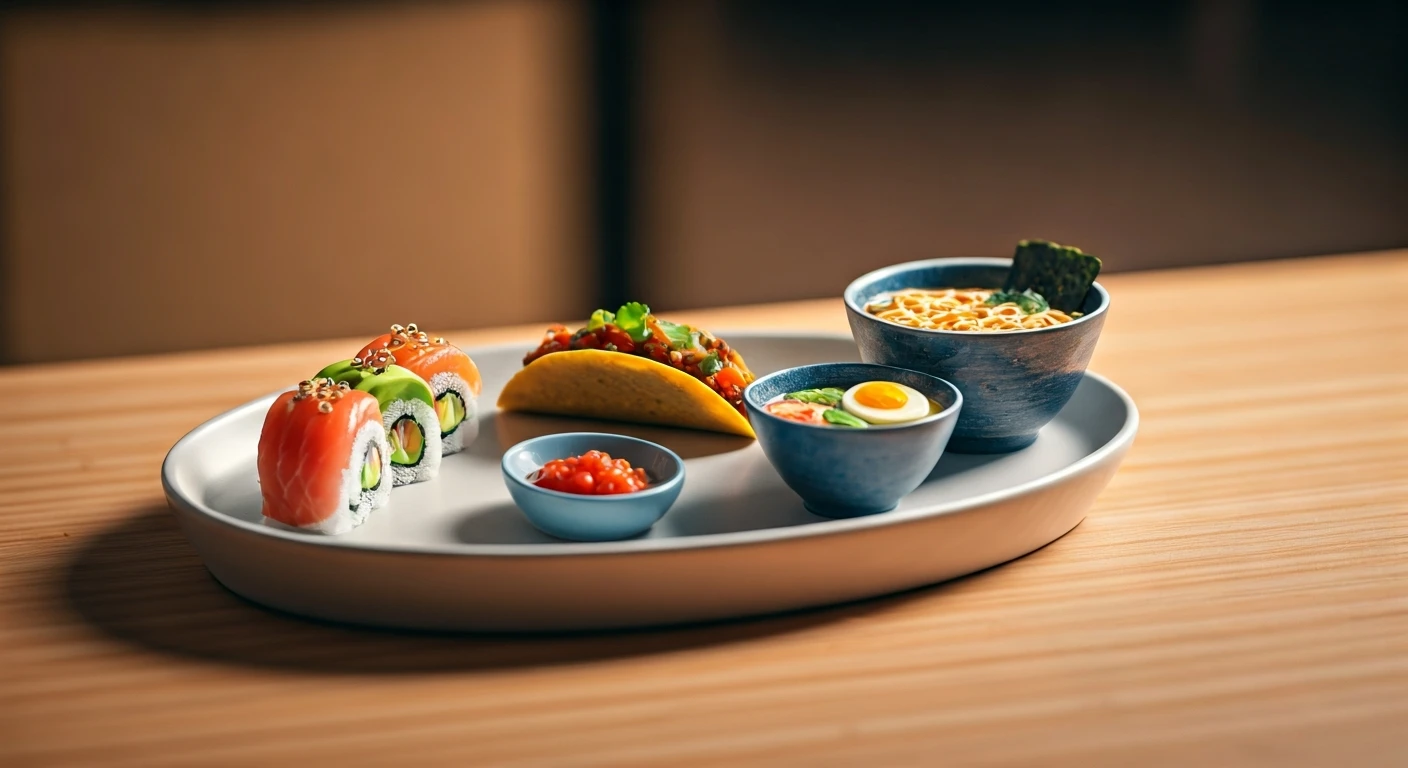
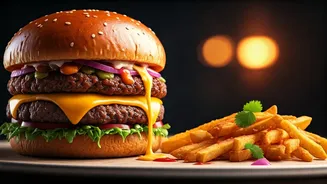
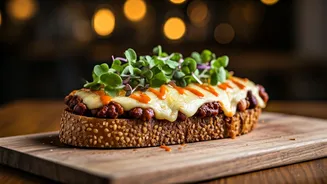
capture, then consume. This shift has given rise to a new breed of street food, engineered not just for the palate but for the pixel. Think of the Korean corn dog, crusted in everything from crispy ramen to diced potatoes, offering a dramatic, stringy cheese pull that’s pure social media gold. Or consider the birria taco, which became a viral sensation not just for its rich flavor, but for the visually satisfying moment of dipping it into a cup of consommé. Vendors have learned that in a crowded marketplace, the most powerful advertising isn't a billboard; it's a well-lit, drool-worthy photo on a customer's feed.
The Economics of Eyecandy
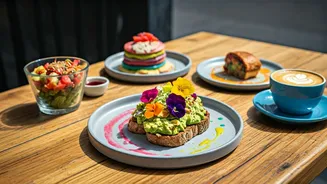
For today’s street food entrepreneur, designing a “camera-friendly” menu item isn’t a vanity project—it’s a core business strategy. The return on investment for a visually stunning dish can be massive. A single viral TikTok video or a wave of Instagram posts can generate more foot traffic than a glowing review in a local newspaper. This creates a powerful incentive to innovate visually. It’s why we see milkshakes piled high with entire slices of cake, charcoal-infused ice cream, and rainbow-colored everything. These dishes are inherently shareable. They stop the scroll. The cost of extra toppings or more complex preparation is offset by the free, user-generated marketing that follows. A customer who posts a photo of their elaborate snack is effectively becoming an unpaid brand ambassador, showing their hundreds or thousands of followers exactly where they need to go next. The line of people you see snaking around the block for a crazy-looking waffle isn't just a sign of popularity; it's a testament to a successful visual marketing campaign playing out in real time.
Flavor vs. The Photo Op
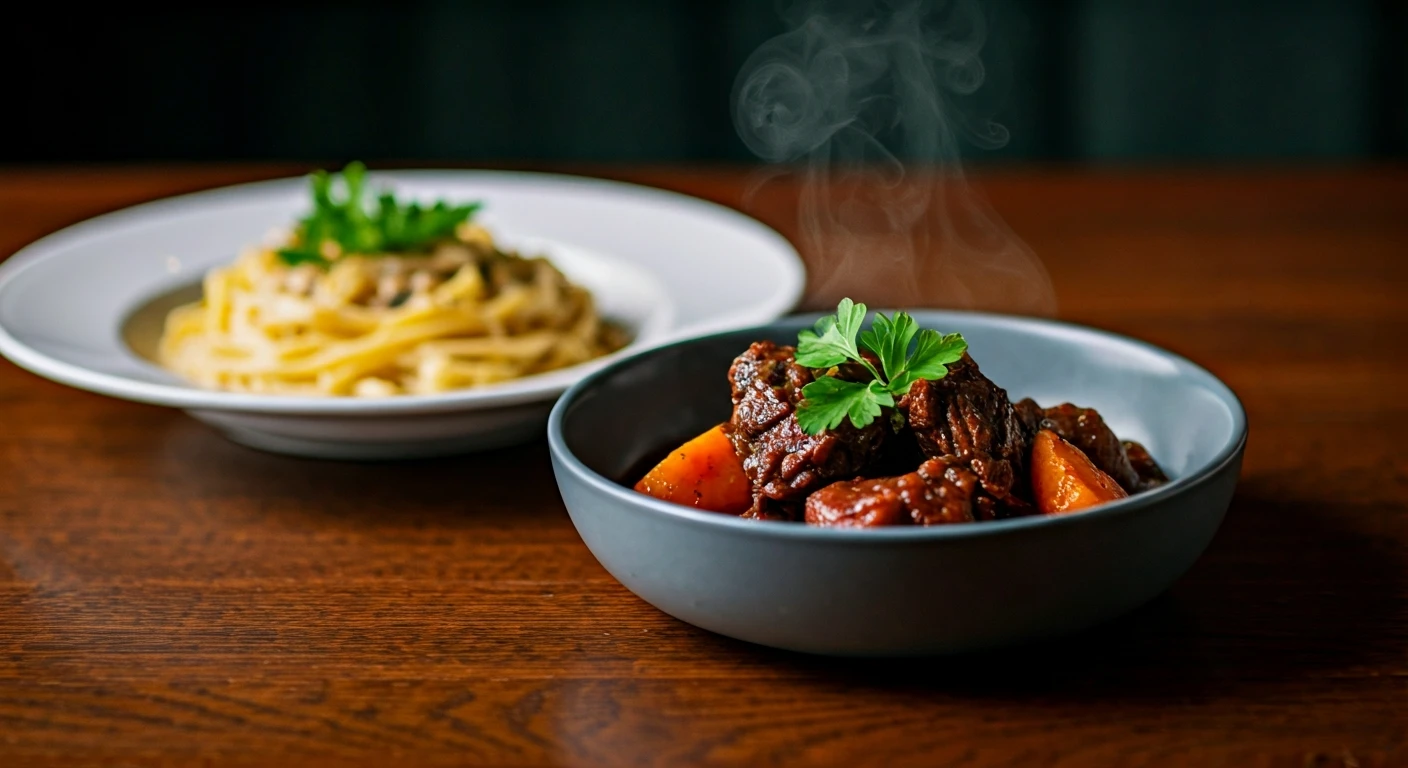
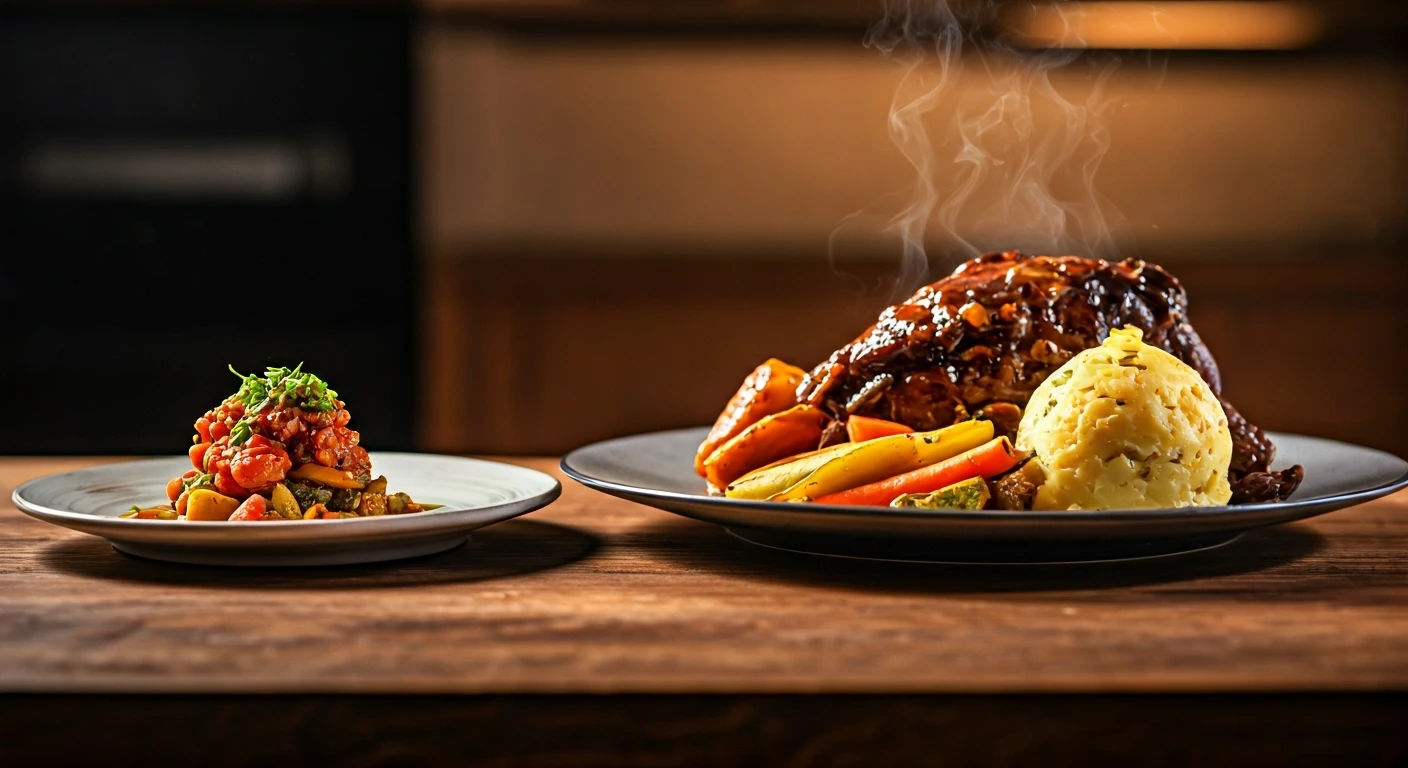
This raises the inevitable, slightly cynical question: Does it actually taste good? The critique of 'Instagrammable' food is that it often prioritizes appearance over flavor, resulting in dishes that are beautiful but bland, or simply awkward to eat. And sometimes, that critique is valid. We've all seen novelty items that were clearly designed for a photo and not much else. However, the most successful and enduring vendors understand that a gimmick only works once. A great photo might bring a customer in, but only great flavor will bring them back. The true masters of this new era are the ones who marry aesthetics with substance. The birria taco went viral because the dipping action looks great, but it has stayed popular because slow-braised meat and rich broth are genuinely delicious. The best camera-friendly food uses its visual appeal as the hook, but its taste as the reason to become a repeat customer. The visual element is the invitation; the flavor is the main event.
You Are the Marketing Department
Ultimately, this trend reveals as much about us as it does about the food. By participating in this cycle of photographing and sharing, we are co-creating these trends. We aren't just consumers; we are curators, content creators, and critics. Sharing a picture of a spectacular meal is a way of signaling taste, documenting an experience, and participating in a shared cultural conversation. It’s a performance of a life well-lived, one delicious, photogenic bite at a time. The desire to share these moments is what gives a photogenic dish its power. Vendors are simply responding to a fundamental shift in how we experience and communicate about food. They aren’t just selling tacos or ice cream; they are selling a shareable moment, a small piece of joy that looks as good as it feels.