



First, What Is a Solar Storm?
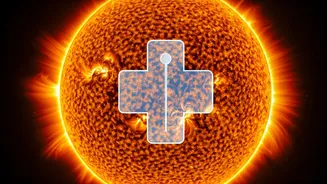
Before we get to health, let’s quickly cover what we’re talking about. The sun isn’t just a calm, steady ball of light. It has weather. Sometimes, its magnetic fields get tangled and snap, releasing huge bursts of energy. This can happen in two main ways:
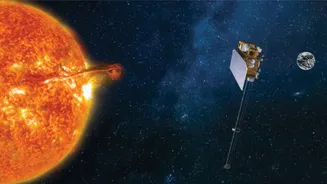
a solar flare (an intense flash of radiation) or a coronal mass ejection, or CME (a massive eruption of plasma and magnetic field from the sun’s outer atmosphere). When a CME is aimed at Earth, that massive cloud of charged particles travels through space and can slam into our planet's magnetic field. This interaction is what triggers a geomagnetic storm, which in turn creates the beautiful auroras. Think of it less as the sun physically “hitting” us and more as its magnetic energy giving Earth’s magnetic shield a major shake.
The Myth: Direct Impact on Your Body
Here's the direct answer you came for: For the vast majority of people on Earth’s surface, there is no scientific evidence that solar storms have a direct effect on your physical health. Our planet is an excellent spaceship. The combination of its magnetic field (the magnetosphere) and its thick atmosphere does an incredible job of deflecting or absorbing the harmful radiation from these storms. While you might see anecdotes online linking geomagnetic activity to heart palpitations, headaches, insomnia, or mood swings, these connections have not been proven in large-scale, controlled scientific studies. The World Health Organization and other major health bodies primarily focus on Earth-based electromagnetic fields (like from power lines) and have not identified solar storms as a direct health threat to the general public. Essentially, you’re getting more radiation from a cross-country flight or even just natural background sources than you are from a solar storm while standing in your backyard.
The Exception: Who Is Actually at Risk?
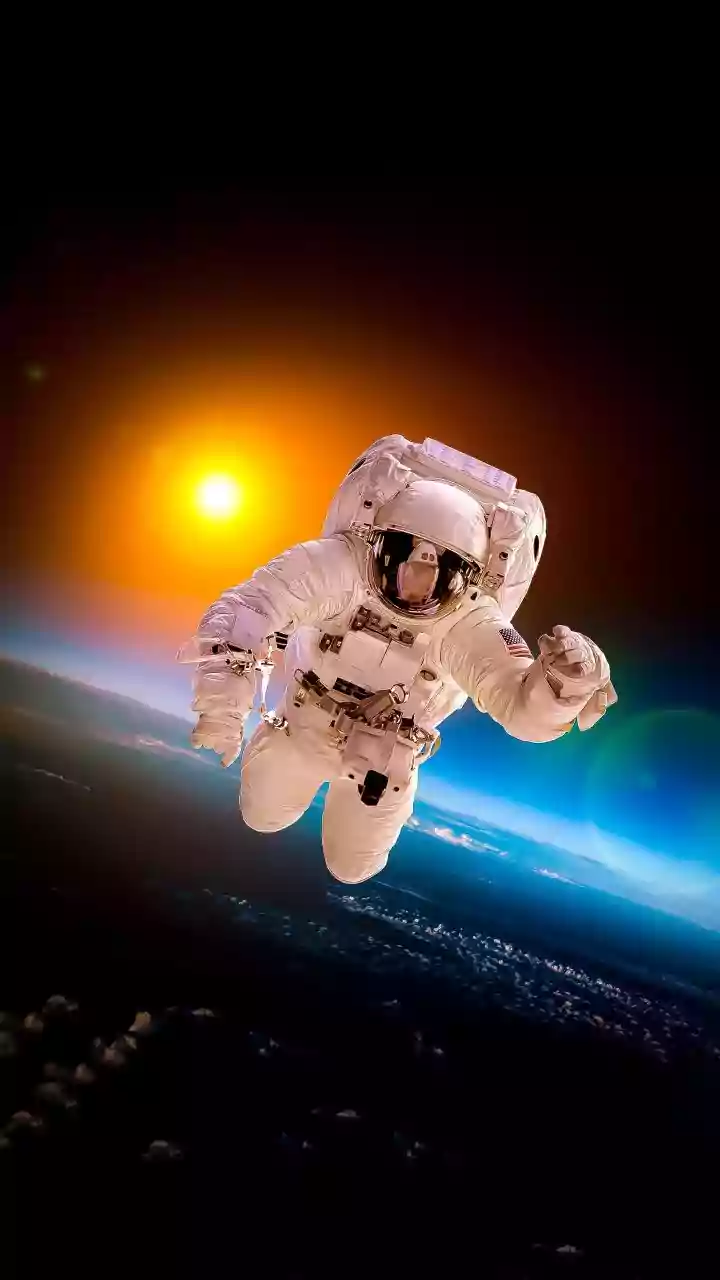
The key phrase above is “on Earth’s surface.” The risk, while still managed, is different for people outside our planet’s most protective layers. Astronauts aboard the International Space Station are a key example. They are exposed to much higher levels of solar radiation and have to shelter in more heavily shielded parts of the station during major solar events. Airlines and pilots are also mindful of this. During a strong geomagnetic storm, planes on high-altitude polar routes may be rerouted to lower altitudes or more southern paths. This is done to reduce the very slight increase in radiation exposure for passengers and crew and to avoid potential communication issues caused by the storm. But even then, the exposure is minimal and well within accepted safety limits.
The Real Danger: Our Technology
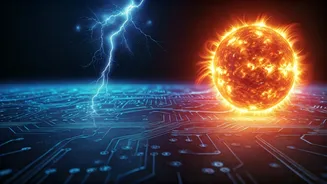
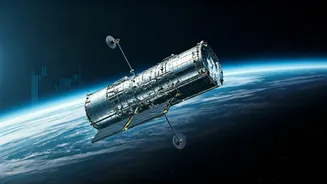
So if our bodies are safe, why do agencies like NASA and NOAA spend so much time and money tracking space weather? Because the real, documented danger of a solar storm is to our technology. Geomagnetic storms can induce powerful electrical currents in long conductors on the ground. This can overload and damage power grids, potentially causing widespread and long-lasting blackouts, as famously happened in Quebec in 1989. These storms can also disrupt high-frequency radio communications, affect GPS satellite accuracy (which could throw off everything from your car’s navigation to financial transactions), and damage the electronics on satellites we rely on for weather forecasting and telecommunications. This indirect threat is the primary concern for emergency planners and scientists. A health crisis could certainly arise from a long-term power outage, but the storm itself wouldn't be the direct biological cause.
So, What Would a Doctor Say?
If you went to your doctor complaining of headaches and anxiety and asked if it was the solar storm, they would likely start with the basics. Are you sleeping well? Are you stressed? Are you hydrated? They would focus on known, evidence-based causes for your symptoms. While the science on a direct biological link is extremely thin, the psychological effect is real. Seeing alarming headlines or social media posts can create anxiety, and that anxiety can absolutely cause physical symptoms. A good doctor would advise you to focus on what you can control—your diet, exercise, and stress-management techniques—rather than worrying about cosmic events. The bottom line from the medical community is clear: enjoy the auroras if you can see them, but don't lose sleep over their health effects.