







The Journey to a Disappearing Island
Getting to Majuli is a retreat in itself. Located in the state of Assam in northeastern India, it requires a commitment—a flight or train to a nearby city, followed by a drive to a ferry point. The crossing is the true threshold. As the simple, often
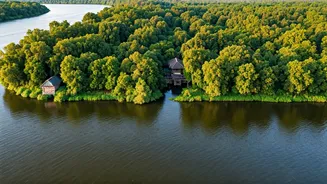
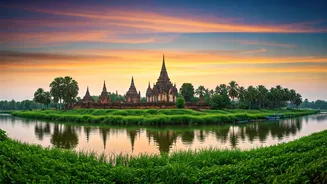
crowded ferry churns across the vast, silt-heavy waters of the Brahmaputra River, the noise and urgency of mainland India begin to fade. Majuli is a world apart, a sprawling landmass of sandbars and rice paddies formed by the river’s changing moods. It’s a place of sublime, precarious beauty. As the largest river island on the planet, it is also one of the most threatened, with relentless erosion shrinking its shores year after year. This impermanence adds a quiet poignancy to any visit; you are stepping into a culture that exists in a constant, delicate dance with nature.
What is a Satra?
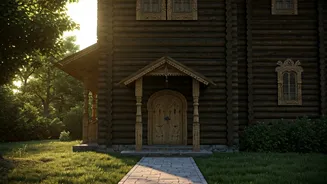
The heart of Majuli's unique identity lies in its Satras. These are not silent, cloistered monasteries in the Western sense. Instead, they are vibrant, living institutions of art, culture, and spirituality that have existed for over 500 years. Founded in the 15th century by the saint-reformer Srimanta Sankaradeva, Satras are the centers of a liberal form of Hinduism called Neo-Vaishnavism. They were designed as egalitarian communities where people from any caste could gather for worship through artistic expression. A Satra is a complex, typically centered around a large prayer hall (naamghar) and surrounded by cottages where celibate monks, known as bhakats, live simple, devotional lives. Today, a few dozen of these Satras remain on Majuli, each preserving unique traditions.
A Day in the Life
A retreat here is an immersion into a gentle, centuries-old rhythm. The day often begins before dawn with the sound of drums and cymbals from the prayer hall, calling the bhakats to morning prayers, or 'naam prasanga.' The air fills with devotional chanting. For visitors, this isn't a structured program of yoga and meditation, but an invitation to observe and participate. You can wander the grounds, watch the bhakats go about their chores, or sit quietly in the naamghar. Life is stripped to its essentials: faith, community, and craft. The monks, ranging from young boys to elderly men, dedicate their lives to this routine. Meals are simple, vegetarian affairs, often shared with the community. The focus is less on personal enlightenment through solitude and more on collective devotion through shared practice.
The Art of Devotion
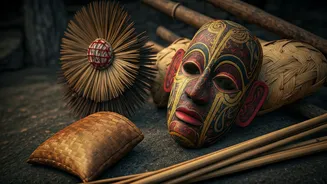
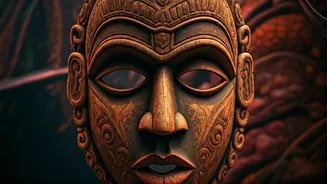
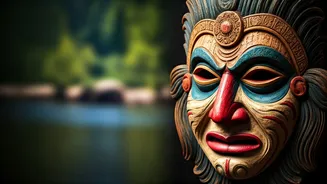
What truly sets the Satras apart is their function as living museums and schools for traditional arts. Worship here is an active, creative process. Some Satras, like the famed Samaguri Satra, are renowned for their tradition of mask-making. Here, artisans craft elaborate, dramatic masks of gods, goddesses, and demons from bamboo, clay, and cloth, used in religious theatrical performances called 'Bhaona.' Other Satras are custodians of 'Sattriya,' a classical Indian dance form that originated within these very institutions. It is a graceful, expressive art that tells stories from Hindu scriptures. Witnessing a young bhakat practicing a dance sequence or an old master polishing a mask is to see faith made tangible. It is a powerful reminder that spirituality can be expressed not just in silence, but through color, movement, and song.
Finding Stillness in Sound
For the urban soul seeking escape, Majuli's Satras offer a profound recalibration. The retreat is not about escaping sound, but about replacing the chaotic noise of the city with the structured, soulful sounds of devotion. It’s the stillness found within the rhythm of a chant, the focus in an artist's hands, and the peace of a community living in harmony with its faith and a powerful, ever-present river. You don't come here to 'find yourself' in isolation. Instead, you find a sense of perspective by stepping into a world where time is measured not by clocks and deadlines, but by prayers and seasons. It’s a place that teaches you that deep peace can be found not in emptiness, but in a life filled with purpose and devotion.