

What Exactly Is a Bloom Trip?
Forget simply stopping to smell the roses. A bloom trip is travel with a dedicated floral purpose. It’s the act of planning a vacation, or even just a weekend getaway, specifically to witness a floral spectacle at its absolute peak. This isn't about a quick
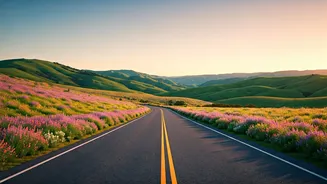
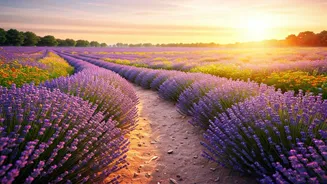
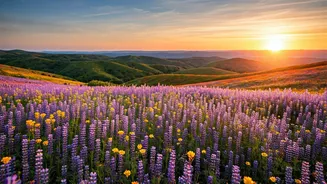
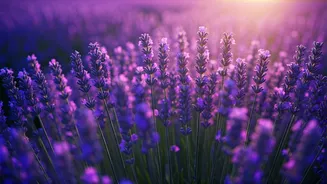
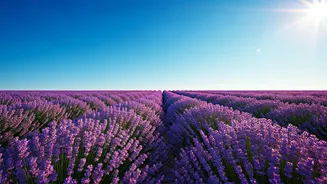
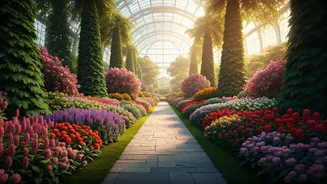
visit to a city park; it’s about immersing yourself in botanical beauty on a grand scale. Think of a road trip through Texas Hill Country timed perfectly for the bluebonnet explosion, a pilgrimage to Washington’s Skagit Valley for its world-famous tulip festival, or a tour of Oregon’s lavender farms when the fields are a haze of purple. The destination is the bloom itself. It reframes travel not as a checklist of sights, but as a patient, seasonal pursuit of natural beauty, turning the ephemeral nature of a flower’s life into the main event.
An Antidote to Travel Burnout
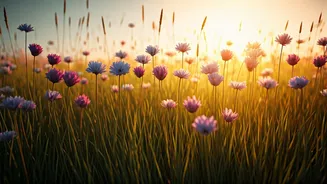
The rise of the bloom trip isn’t happening in a vacuum. It’s a direct and gentle rebellion against the travel chaos that defined the post-pandemic era. Many travelers, weary of surging prices, overbooked flights, and shoulder-to-shoulder crowds at major landmarks, are craving something quieter and more restorative. A field of sunflowers doesn't have surge pricing, and the only long line might be for the farm’s fresh-pressed cider. This style of travel encourages a slower pace. It’s about finding a spot, laying down a blanket, and simply existing in a beautiful place. It swaps the anxiety of making a connecting flight for the simple, grounding pleasure of watching bees work their way through a field of wildflowers. In a world of constant stimulation and stress, bloom trips offer a much-needed dose of natural tranquility.
The Instagram-Worthy Escape
Let’s be honest: flowers are photogenic. A significant driver of the bloom trip trend is, without a doubt, social media. Platforms like Instagram and TikTok are visual economies, and a person standing in an endless field of vibrant flowers is premium currency. Destinations like the Carlsbad Flower Fields in California or the lavender farms of Provence became globally famous, in part, because they provided the perfect backdrop for stunning, shareable content. This has created a powerful feedback loop: a traveler posts a breathtaking photo from a tulip field, inspiring hundreds of their followers to seek out the same experience. While some may dismiss this as superficial, it has also had the positive effect of spotlighting smaller, rural destinations and agricultural businesses that might otherwise be overlooked.
More Than Just a Pretty Picture
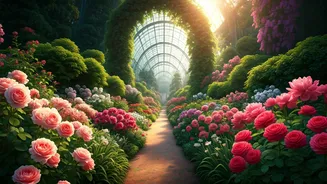
While the perfect photo is a powerful motivator, the appeal of bloom trips runs deeper than aesthetics. At its core, this trend is about reconnecting with nature and the seasons. It’s a form of agricultural tourism, or 'agritourism,' that supports local farms, promotes environmental awareness, and offers a tangible link to where our food—and flowers—come from. Many of these destinations are working farms that offer educational tours, workshops, and markets selling local products. Visiting a cherry blossom festival isn't just about the pink petals; it’s about participating in a centuries-old cultural tradition that celebrates impermanence and renewal. By planning a trip around a bloom, travelers are tapping into the rhythm of the natural world, something often lost in our climate-controlled, 24/7 lives.
How to Plan Your Floral Journey
Inspired to take your own bloom trip? The key is timing and research. Unlike a museum, a flower field operates on its own schedule. Start by identifying what you want to see—poppies, sunflowers, rhododendrons?—and then find the region known for them. Most destinations have dedicated websites, 'bloom trackers,' or social media pages that provide real-time updates on peak conditions. Don’t overlook what’s in your own backyard; a quick search for 'sunflower fields near me' or 'local botanical garden' can reveal stunning destinations just a short drive away. Finally, remember the cardinal rule of bloom tourism: be respectful. Stick to designated paths, don't pick the flowers, and support the local businesses that make these beautiful landscapes accessible to all.