



Why Your City Wants to Pay for Your Garden
It might sound too good to be true, but many U.S. municipalities have a vested interest in encouraging residents to create green spaces, even small ones. These programs aren't just about beautification; they're a key strategy for building more resilient
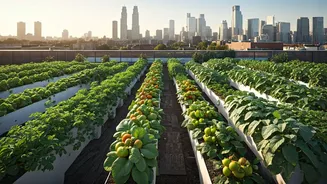
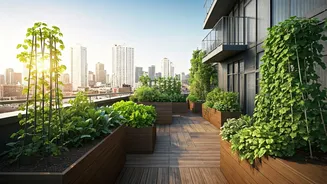
and sustainable cities. When you install a terrace garden, especially one with features like proper soil beds and drainage, you're helping with crucial city-wide goals. Your little patch of green can help manage stormwater runoff, a major issue in dense urban areas where pavement prevents rain from soaking into the ground. It can also help combat the 'urban heat island' effect by cooling the air around your building. Furthermore, by promoting local food production, cities can improve food security and reduce the carbon footprint associated with transporting produce. These grants are a city's way of investing in a distributed, citizen-powered solution to complex environmental problems.
The Types of Programs to Look For
The key to unlocking these funds is knowing what to search for. The grant you find probably won't be called the 'Terrace Veggie Patch Grant.' Instead, they are typically part of broader environmental initiatives. When you search your city or county's website, use these keywords: * **Stormwater Management Grants/Rebates:** These are the most common. Programs like Washington D.C.'s 'RiverSmart Homes' or Seattle's 'RainWise' offer significant rebates or grants for installing features that capture and slow down rainwater. A well-designed terrace garden with deep soil beds can qualify. * **Green Roof Incentives:** If you have a flat roof, this is your golden ticket. Many cities offer substantial financial incentives, sometimes covering a large percentage of the cost, for installing green roofs. These can easily be designed to include vegetable patches. * **Urban Agriculture or Local Food Grants:** Some municipalities have specific funds to encourage residents to grow their own food. These may be smaller grants but are often easier to apply for and are directly aimed at supporting projects like yours. * **Community Beautification or Improvement Grants:** Often administered at the neighborhood level, these grants can sometimes be used for highly visible greening projects, especially if your terrace is visible from the street.
Are You Eligible?
Eligibility is where you need to read the fine print. Most programs are available to property owners, but some are accessible to renters with the landlord's permission. Requirements often vary by: * **Location:** Some grants are targeted at specific watersheds, neighborhoods, or zones with particularly bad stormwater runoff problems. * **Building Type:** Programs may distinguish between single-family homes, multi-unit residential buildings, and commercial properties. Make sure you're looking at the residential program. * **Project Scope:** Many programs have minimum or maximum size requirements for the green space. They may also specify details like soil depth or the types of approved drainage systems to ensure the project meets its environmental goals.
Your Step-by-Step Application Guide
Navigating bureaucracy can be intimidating, but it's manageable if you take it one step at a time. 1. **Research:** Start on your city's official website. Search the departments of environmental protection, public works, or planning. Don't forget to check your local water utility's site, as they often administer stormwater-related programs. 2. **Contact a Program Officer:** Before you do anything else, find a contact person. An email or phone call to confirm your project idea is a good fit can save you dozens of hours. 3. **Get a Quote:** Most grant applications will require a detailed plan and a cost estimate from a contractor. Some cities even provide a list of pre-approved contractors who are familiar with the program's requirements. 4. **Prepare Your Application:** Be meticulous. Frame your project using the language of the grant. If it's a stormwater grant, emphasize how your garden's design will capture and retain rainwater. If it's a food grant, talk about the fresh produce you'll grow. Fill out every form completely and provide all requested documents.