
The Unchanging Original
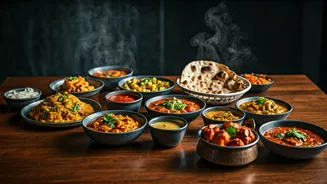
For decades, Indian food in America had a specific, comforting, and somewhat predictable identity. It was the all-you-can-eat lunch buffet, a steaming platter of chicken tikka masala, a creamy bowl of dal makhani, and a basket of warm, fluffy naan. These
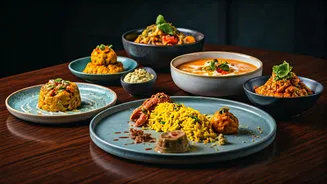
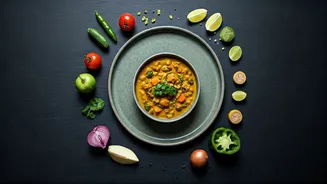
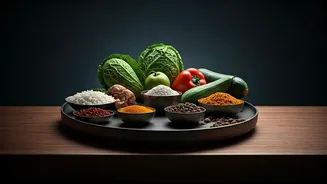
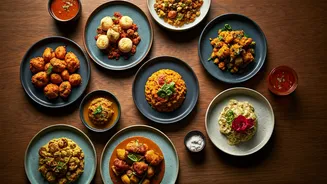
dishes, primarily rooted in North Indian Punjabi cuisine, became the ambassadors for an entire subcontinent's culinary diversity. They were, and still are, delicious. But they represent just one chapter in a very long book. The traditional Indian plate, whether it’s a sprawling thali with its dozen tiny bowls or a simple home-cooked meal of dal, rice, and sabzi (vegetables), has always been about regionality, seasonality, and a complex harmony of spices built over generations. It was a formula perfected, a classic album played on repeat.
Dropping the Culinary Beat
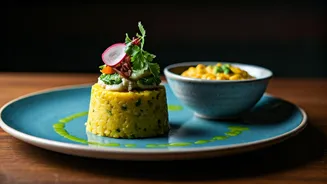
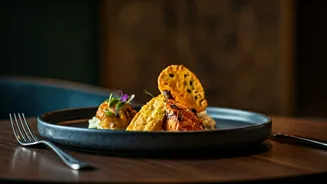
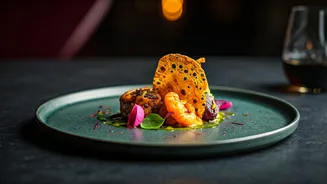
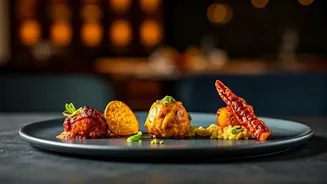
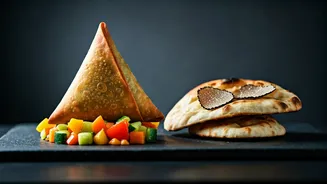
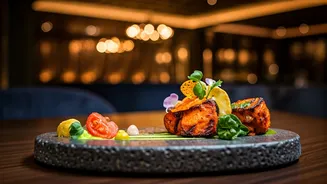
Now, that classic album is being remixed. A new wave of chefs, both in India and across the diaspora in cities like New York, London, and Dubai, are treating traditional recipes not as rigid rules but as source material for something new. Imagine a samosa, the familiar pyramid of spiced potatoes and peas, but deconstructed into a crisp wafer topped with potato foam and tamarind gel. Picture golgappas, the quintessential street food snack, filled not with spicy water but with avocado and jalapeño-infused liquid. This is “progressive Indian cuisine,” a movement that applies modern culinary techniques and global ingredients to age-old dishes. We’re seeing blue cheese-stuffed naan, ghee-roasted lamb shanks with sweet potato mash, and desserts that pair traditional flavors like cardamom with Western forms like panna cotta. It’s a culinary mashup where tradition provides the melody and modern creativity provides the beat.
The DJs in the Kitchen
This movement isn't happening by accident. It's being driven by a generation of chefs who are both deeply proud of their heritage and trained in the world’s best kitchens. Chefs like Manish Mehrotra of Indian Accent in New Delhi (with outposts abroad) are pioneers, playfully reinterpreting nostalgic dishes. In New York, Chintan Pandya of restaurants like Dhamaka and Semma has won acclaim by both digging deeper into hyper-regional, forgotten recipes and presenting them with a contemporary flair that feels fresh and vital. These chefs aren’t trying to “fix” Indian food. They’re celebrating it. They understand the fundamental flavor profiles—the delicate balance of sweet, sour, spicy, and savory—that make the cuisine so compelling. Their innovation comes from asking, “What if?” What if we used a French technique to cook a Bengali fish curry? What if we sourced ingredients from a local farmer’s market instead of a specialty importer? The results are both surprising and, in a strange way, completely familiar.
A Global Recipe for Change
So, why is this happening now? Several factors are converging. First, globalization and travel have exposed both chefs and diners to a wider world of flavors and techniques. Second, there’s a new confidence. For years, Indian chefs felt pressure to conform to European culinary standards. Today, there's a swagger, a belief that Indian flavors are powerful enough to be the star of the show. Third, social media plays a huge role. An artfully plated, deconstructed dish is far more Instagrammable than a humble bowl of curry, driving curiosity and foot traffic. Finally, the diners themselves have changed. A new generation of Indian-Americans, along with adventurous foodies of all backgrounds, are eager for an experience that goes beyond the buffet line. They want a story on their plate, and this new movement delivers.