


The Age of Açaí and Quinoa
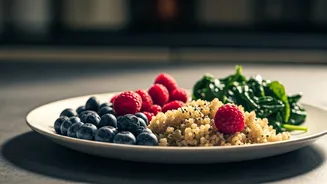
For the better part of a decade, the path to wellness was paved with ingredients you probably couldn’t pronounce. It was the era of the imported superfood. Açaí bowls, vibrant and photogenic, became a breakfast status symbol. Goji berries were sprinkled
on everything, promising ancient Himalayan vitality. Chia seeds, once relegated to terracotta pets, were reborn as a pudding-forming powerhouse. Quinoa, a grain from the Andes, dethroned rice and couscous in health-conscious kitchens across America. There was nothing inherently wrong with these foods—they are genuinely nutritious. But the culture around them framed wellness as something exclusive, expensive, and exotic. It suggested that the components for a healthy life had to be sourced from remote mountainsides and rainforests, shipped across oceans, and purchased at a significant premium. This model made healthy eating feel less like a daily practice and more like a luxury hobby, accessible only to those with the time and money to track down the latest trendy powder or seed.
Enter the Fibre-Forward Philosophy
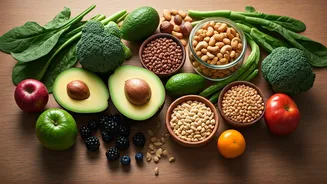
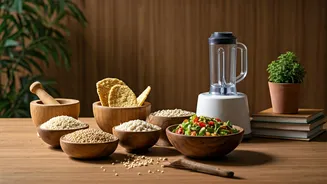
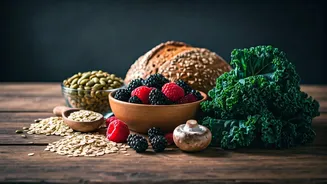
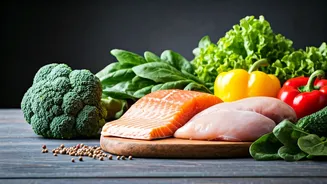
Now, a quiet but powerful counter-movement is reframing the conversation. Dubbed “fibre-forward,” this approach isn’t about a single magical ingredient but a broader principle: prioritizing dietary fiber. It’s a shift from chasing antioxidant scores in exotic berries to embracing the gut-health-boosting, blood-sugar-stabilizing, and incredibly satiating power of fiber—an essential nutrient Americans notoriously don't get enough of. Being “fibre-forward” simply means building meals around ingredients naturally rich in this complex carbohydrate. Think hearty whole grains, earthy legumes, a wide spectrum of vegetables, and simple fruits. It’s less about culinary wizardry and more about a return to fundamentals. Chefs and nutritionists are championing this not as a restrictive diet, but as a sustainable and satisfying way of eating that puts digestive health and overall well-being at the center of the plate.
The Humble Heroes in Your Pantry
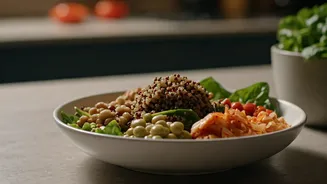
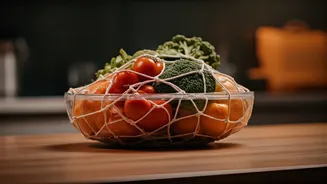
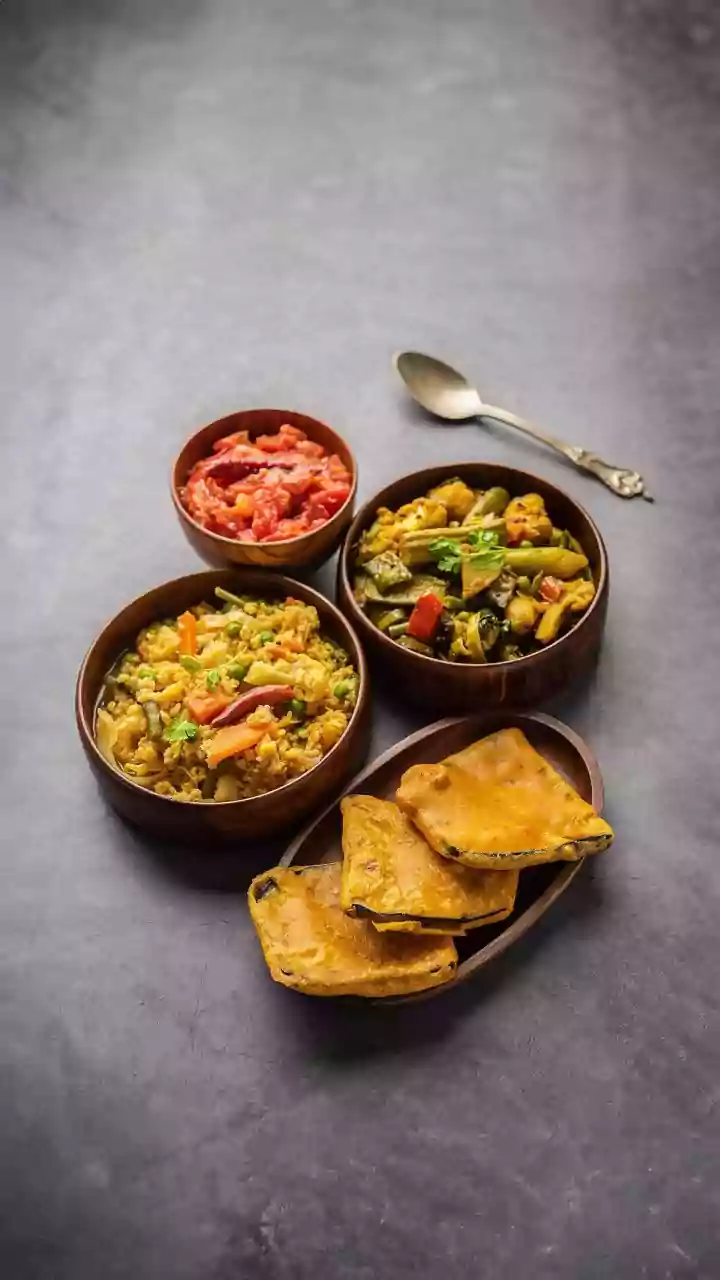
The most revolutionary part of the fiber-forward movement is how beautifully un-revolutionary its ingredients are. The stars of this show aren’t found in the specialty wellness aisle; they’re waiting in your local grocery store, often for pennies on the dollar compared to their imported superfood counterparts. We’re talking about rolled oats, the foundation of a breakfast that keeps you full for hours. We’re talking about lentils and beans, versatile and protein-packed staples of cuisines around the world. We’re talking about the satisfying crunch of a carrot, the simple sweetness of an apple, and the robust earthiness of broccoli. These are the foods that have nourished humanity for centuries, long before wellness became a billion-dollar industry. By centering them, the fiber-forward approach makes healthy eating less about performance and more about nourishment. It democratizes wellness, proving that you don’t need a big budget or a passport to eat in a way that truly supports your body.
A More Sustainable and Accessible Plate
This shift has benefits that extend far beyond personal health. Focusing on locally available, less-processed foods often carries a smaller environmental footprint than relying on ingredients shipped across the globe. It reduces food miles and supports more regional and seasonal eating patterns. More importantly, it’s an inclusive model. When the pillars of a healthy diet are things like beans, potatoes, and cabbage, wellness becomes accessible to people of all income levels. It dismantles the idea that you have to “buy in” to a specific lifestyle brand to be healthy. It suggests, correctly, that a simple, home-cooked meal of lentil soup or a roasted sweet potato can be more beneficial—for your body and your wallet—than the most elaborate and expensive smoothie bowl. It's a return to common sense, proving that true wellness was never imported; it was in our pantries all along.