





What Is Neem Oil, Really?
Before you start spraying, it’s helpful to know what you’re working with. Neem oil is a naturally occurring pesticide derived from the seeds of the neem tree (Azadirachta indica), native to the Indian subcontinent. For centuries, it's been a cornerstone
of traditional agriculture and medicine. Its power comes from several compounds, most notably azadirachtin. Unlike harsh synthetic chemicals that act as a nerve poison, neem oil works in a more subtle, multifaceted way, making it a favorite for organic gardening. It’s not an instant kill-on-contact solution, but its effectiveness lies in its systemic disruption of a pest's life cycle.
How Neem Oil Fights Pests
Neem oil is a triple threat. First, it acts as an antifeedant. When a pest like an aphid or a Japanese beetle munches on a treated leaf, the bitter taste and the effects of azadirachtin make it stop eating, effectively starving it. Second, it functions as an insect growth regulator. If pests do ingest it, azadirachtin interferes with their hormonal systems, preventing them from molting and maturing into their next life stage. This breaks the breeding cycle. Finally, it has some repellent qualities, discouraging new pests from landing on your plants in the first place. It’s also effective as a fungicide against common issues like powdery mildew and black spot, making it a versatile tool in your garden shed.
Choosing the Right Neem Product
When you walk into a garden center, you’ll likely see two main types of neem products: ready-to-use (RTU) sprays and 100% cold-pressed neem oil concentrate. RTU sprays are convenient for small jobs or indoor plants, but they are less cost-effective and you have no control over the concentration. For a full garden, a bottle of concentrate is the way to go. Look for products labeled "100% cold-pressed," as this method of extraction preserves the highest levels of azadirachtin. Avoid "neem oil extract" or clarified hydrophobic neem oil, as these have had the azadirachtin removed and primarily work by smothering insects, lacking the other benefits.
The Perfect DIY Neem Spray Recipe
Mixing your own neem solution is simple and economical. Oil and water don’s mix, so you’ll need a gentle emulsifier to help them combine. Here’s a standard, effective recipe:
1. Start with one gallon of lukewarm water. Cold water can cause the neem oil to solidify.
2. Add 1-2 teaspoons of a mild liquid soap. Castile soap or a gentle, fragrance-free dish soap works well. Do not use detergents or degreasing soaps, as they can harm your plants. Mix the soap into the water first.
3. Add 1-2 tablespoons of 100% cold-pressed neem oil concentrate. The exact amount can vary based on the severity of your pest problem; start with the lower amount for general prevention.
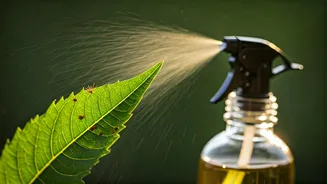
4. Shake vigorously. Pour the mixture into a garden sprayer and shake it thoroughly to create an emulsion. You’ll need to shake it periodically during application as the oil will try to separate.
Best Practices for Application
How and when you spray is just as important as what you spray. To maximize effectiveness and minimize risk to your plants, follow these rules:
* Test first: Always spray a small leaf and wait 24-48 hours to check for signs of leaf burn or stress before treating the entire plant.
* Spray in the evening or early morning: Direct sunlight can react with the oil and scorch your plant’s leaves. Spraying when it’s cool also reduces the risk to foraging pollinators.
* Cover all surfaces: Pests like spider mites and aphids love to hide on the undersides of leaves and in plant crevices. Be thorough and aim for complete coverage.
* Don’t spray in extreme heat: Avoid applying neem oil when temperatures are above 90°F, as this significantly increases the risk of plant damage.
* Reapply as needed: For an active infestation, you may need to apply every 7 days. For preventative maintenance, every 14 days is usually sufficient. Remember to reapply after heavy rain.
A Note on Bees and Beneficials
While neem oil is considered organic and is far safer for the ecosystem than broad-spectrum synthetic pesticides, it’s not completely harmless. The good news is that azadirachtin primarily harms insects that chew on or suck sap from treated leaves. Since pollinators like bees are focused on flowers, the risk is lower. However, a direct spray can still harm them. To be safe, always spray in the late evening after bees have returned to their hives. This allows the spray to dry overnight, significantly reducing the risk of direct contact with your garden’s beneficial insects the next morning.