


A Legacy of Kings and Poets
Before you can understand the taste, you have to understand the history. Lucknow, the capital of Uttar Pradesh, was the seat of the Nawabs of Awadh—aristocratic rulers known for their opulent lifestyles and patronage of the arts. For them, horticulture
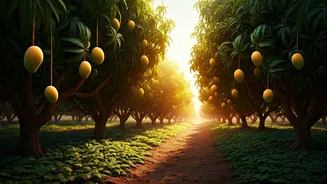
was a high art form. They cultivated sprawling orchards, or *baghs*, not just for sustenance, but for prestige and pleasure. The mango was their obsession. Poets wrote odes to it, and royal chefs competed to create mango-based delicacies. This centuries-old dedication to perfecting the fruit is baked into its DNA. When you eat a mango from this region, you’re not just tasting a piece of fruit; you're tasting a piece of royal history, a legacy of a culture that placed the pursuit of sublime flavor above all else.
The Magic of the Mango Belt
Like fine wine, the world’s best mangoes are a product of their *terroir*—the unique combination of soil, climate, and geography. Just outside Lucknow lies the famed mango belt of Malihabad, a region so synonymous with mangoes that it has a Geographical Indication (GI) tag, similar to Champagne in France or Parmesan in Italy. The hot, dry winds of early summer, followed by the perfect amount of monsoon rain, create ideal growing conditions. The alluvial soil, enriched by the nearby Gomti River, provides the nutrients needed for the fruit to develop its complex sugars and aromatic compounds. This isn't just random luck; it's a specific alchemy of nature that allows the mangoes here to develop a flavor profile that is both intensely sweet and refreshingly nuanced, with a texture that can only be described as liquid sunshine.
Meet the Royal Family of Mangoes
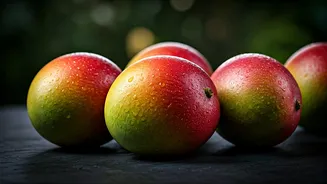
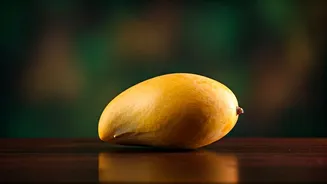
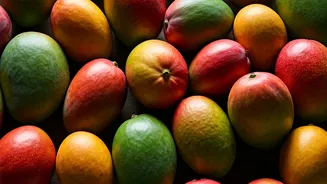
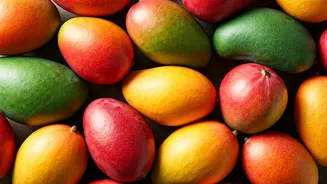
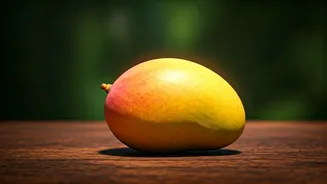
While America is familiar with a few mango varieties like Tommy Atkins or Kent, India boasts over a thousand. Lucknow is home to some of the most prized. The undisputed king is the Dasheri. Slender and elegant, its skin turns a beautiful sunshine yellow when ripe. The flesh is fiberless, melting on the tongue with notes of honey, apricot, and a whisper of citrus. It’s the standard against which all other mangoes are judged. Then there's the Chausa, a late-season variety with incredibly sweet, fragrant pulp and a distinctive pointed end. It’s often enjoyed by sucking the pulp directly from the skin. The Langra, a slightly earlier variety, has a greenish-yellow skin even when ripe and a unique, slightly tart flavor that many connoisseurs prefer. Each variety has its own season and its own devoted following, turning the summer into a months-long festival of flavors.
More Than Just a Fruit
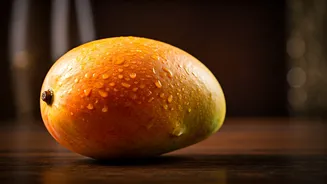
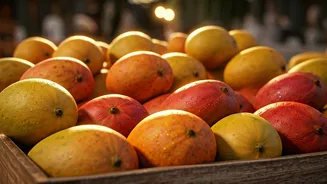
In America, we might grab a mango for a smoothie. In Lucknow, eating mangoes is a cherished social ritual. Families and friends gather for 'mango parties,' where dozens of chilled mangoes are brought out in buckets of ice water. The proper technique is a matter of debate—some peel and slice, while purists insist on gently kneading the fruit until the pulp liquefies inside, then biting off the tip and drinking the nectar. It’s a joyous, messy, and deeply communal experience. The mango is not just a dessert; it’s the main event. This cultural reverence elevates the fruit from a simple commodity to a symbol of summer, family, and the good life. The joy surrounding it is as much a part of the flavor as the sugars within it.