



Beyond Hydration: What Are Functional Drinks?
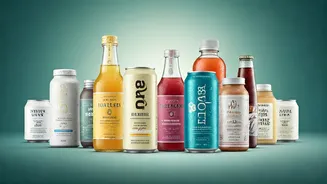
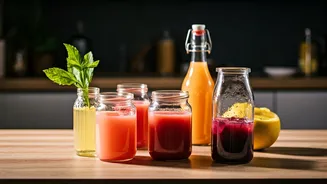
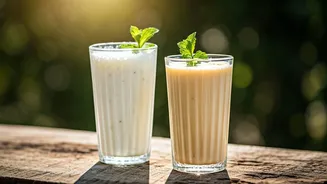
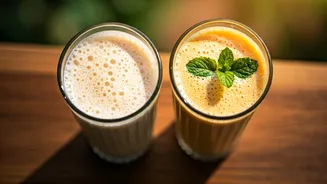
Think of the last time you grabbed a kombucha for gut health or a Vitamin Water for an electrolyte boost. That’s a functional beverage—a drink fortified with added ingredients meant to provide a specific health benefit beyond simple nutrition or hydration.
In India, this once-niche category is exploding. We’re not just talking about imported energy drinks. This is a homegrown revolution. Startups are launching everything from ready-to-drink concoctions with Ayurvedic herbs to plant-protein shakes and probiotic sodas. They are moving into the space long dominated by giants like Coca-Cola and PepsiCo, offering an alternative to the high-sugar, low-nutrition drinks that have defined the market for a generation. It’s a direct challenge to the status quo, fueled by a fundamental shift in what consumers want from their beverages.
The Post-Pandemic Wellness Boom
So, why now? The primary driver is a massive, post-pandemic surge in health consciousness. Across India’s rapidly urbanizing cities, consumers are more educated and proactive about their well-being than ever before. The pandemic, in particular, put immunity and preventative health at the top of everyone’s mind. This created a perfect market for products that are not just “less bad” but actively “good for you.” Combined with rising disposable incomes and the global influence of wellness culture via social media, young, urban Indians are willing to pay a premium for products that align with their health goals. They’re scrutinizing labels, questioning sugar content, and seeking out ingredients that deliver tangible benefits, creating a demand that legacy brands were slow to meet.
Old Wisdom in a New Bottle
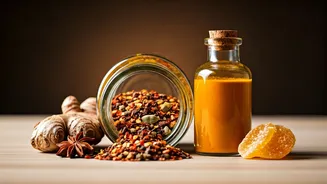
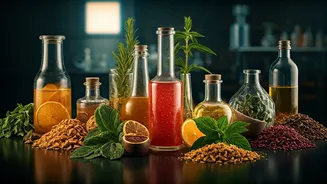
What makes India’s functional drink scene particularly fascinating is how it’s not just copying Western trends. Instead, the most successful brands are modernizing India’s own rich heritage of wellness. They are taking principles from Ayurveda—an ancient system of medicine—and repackaging them for the 21st-century consumer. Ingredients that grandmothers have sworn by for centuries, like turmeric (for inflammation), ashwagandha (for stress), brahmi (for memory), and amla (for vitamin C), are now the star ingredients in sleekly packaged, ready-to-drink formats. Brands are essentially telling consumers: 'You already trust these ingredients. We’ve just made them more convenient and delicious for your modern lifestyle.' This cultural resonance gives them an authenticity and an edge that a generic vitamin drink simply can’t match.
Startups Seizing the Moment
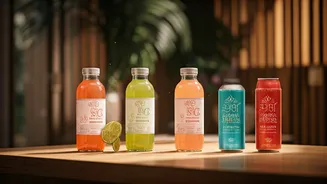
This market rewrite isn't being led by the beverage behemoths, but by a dynamic ecosystem of startups. Companies like &Me create drinks specifically targeting women's health issues like PCOS and PMS. Brands such as Akiva Superfoods offer concentrated wellness “shots” of wheatgrass and amla. Others like Swa Artisanal Syrups are helping both consumers and bars create sophisticated, healthier cocktails and mocktails with floral and herbal infusions. These startups are nimble, digital-first, and experts at building communities on social media. They use direct-to-consumer (D2C) models to reach customers across the country, bypassing the traditional retail infrastructure that once gave large corporations an insurmountable advantage. They speak the language of the modern Indian consumer because they are run by them.
Waking the Giants
Naturally, the legacy players have taken notice. The success of these upstarts poses a direct threat to the market share of traditional carbonated soft drinks. In response, global giants are beginning to adapt. Some are launching their own functional lines, like PepsiCo’s expansion of Gatorade or Coca-Cola’s ventures into enhanced dairy and water products. Others are opting to acquire successful startups, using their massive distribution networks to scale brands that have already proven their appeal. This phase of the market—where startups innovate and corporations scale—is a classic business narrative. The competition will ultimately force the entire beverage industry to become healthier, more transparent, and more responsive to what consumers actually want.