








Why the ‘Rainy Season’ Is Your New Best Friend
For years, the words “rainy season” or “monsoon season” were a warning label for travelers, signaling cancelled excursions, impassable roads, and days spent staring out a hotel window. But a shift is happening. Post-pandemic travel pressures have made
peak-season crowds and prices unbearable for many. In response, a growing number of vacationers are looking to the shoulder seasons—and even the low season—for a better experience. They’re discovering that the “monsoon” isn’t always a month-long deluge. Often, it means predictable afternoon downpours that cool the air, followed by glorious, sun-drenched evenings. For the strategic traveler, this period offers the holy grail of travel: fewer people, lower costs, and a more authentic, uncrowded look at a destination. The secret isn't just about being brave; it's about being smart.
Become Fare-Smart: Your Digital Toolkit
The first step to conquering the off-season is locking in a great price. This is where being “fare-smart” comes into play. Forget aimlessly checking airline websites; today’s tools do the heavy lifting for you. Start with Google Flights. Its price-tracking feature is your baseline. Set alerts for your dream destination and desired travel window, and let the emails roll in. You’ll get a feel for what constitutes a “good” price versus a standard one. For more predictive power, turn to an app like Hopper. It analyzes historical flight data to predict whether prices are likely to rise or fall, advising you to “buy now” or “wait.” Similarly, sites like Kayak and Skyscanner offer flexible-date search options that can reveal shockingly cheap fares just a day or two outside your initial plan. The key is flexibility. Traveling during the rainy season already puts you in a low-demand period, but using these tools to pinpoint the absolute cheapest dates can save you hundreds.
Master the Forecast: From Guesswork to Strategy
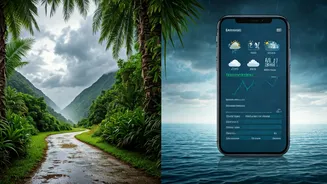
The biggest fear of a monsoon getaway is, of course, the weather. But “forecast-smart” travel means looking beyond a simple 10-day outlook that shows a raincloud icon every single day. In many tropical destinations, rain is an event, not an all-day state of being. Your phone's default weather app is a start, but you need more granular data. Apps like AccuWeather provide MinuteCast features that predict, down to the minute, when rain will start and stop in your precise location. This is a game-changer. Instead of cancelling a day trip, you can plan around a predictable 2 p.m. to 4 p.m. shower. Use that time for a long lunch, a museum visit, or a nap. This strategy turns the weather from a threat into a simple scheduling note. It allows you to plan your beach time or jungle hike for the morning and late afternoon, maximizing your enjoyment and minimizing your chances of getting soaked.
Choose Your Destination Wisely
Not all rainy seasons are created equal. A monsoon in the American Southwest, for example, typically involves dramatic but brief afternoon thunderstorms—perfect for photographers and those who enjoy the smell of desert rain. In contrast, parts of Southeast Asia might experience more sustained periods of precipitation. Your choice of destination should align with your tolerance for rain. Consider Costa Rica during its “green season” (May to November), where mornings are usually bright and clear, with rain arriving later in the day. Mexico’s Riviera Maya sees a similar pattern. These regions have built their tourism rhythm around this climate, offering plenty of indoor-outdoor restaurants and covered spaces. The payoff is lush, vibrant landscapes, roaring waterfalls, and hotel rates that are a fraction of their December-to-April peak. Do your research on the specific weather patterns of your target location to ensure its version of “rainy” fits your vacation style.
Pack Smart and Stay Flexible
Once you’ve booked your trip, a little practical preparation makes all the difference. Your suitcase should reflect your smart strategy. Prioritize quick-dry clothing over cotton. Pack a lightweight, breathable rain jacket—not a heavy winter coat. Waterproof footwear or sturdy sandals that can handle a puddle are essential. A small dry bag is a brilliant, inexpensive investment to protect your phone, wallet, and camera during an unexpected shower. Most importantly, adopt a flexible mindset. Instead of a rigid, hour-by-hour itinerary, create a list of potential activities. If a torrential downpour scuttles your plan for a morning beach walk, pivot to that cooking class or spa treatment you had on your list. This approach removes the stress and allows you to embrace the destination as it is, rain or shine.