





First, A Quick Gut Check
Before we dive into the 'why,' let's cover the 'what.' Probiotics are live microorganisms—often called 'good' or 'friendly' bacteria—that can provide health benefits when consumed. Think of your gut as a bustling city, home to trillions of microbes collectively
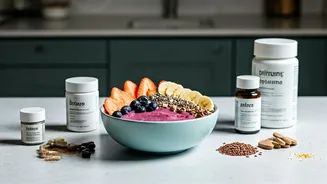
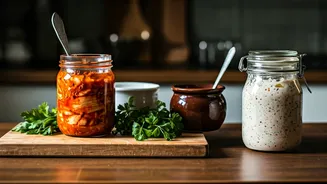
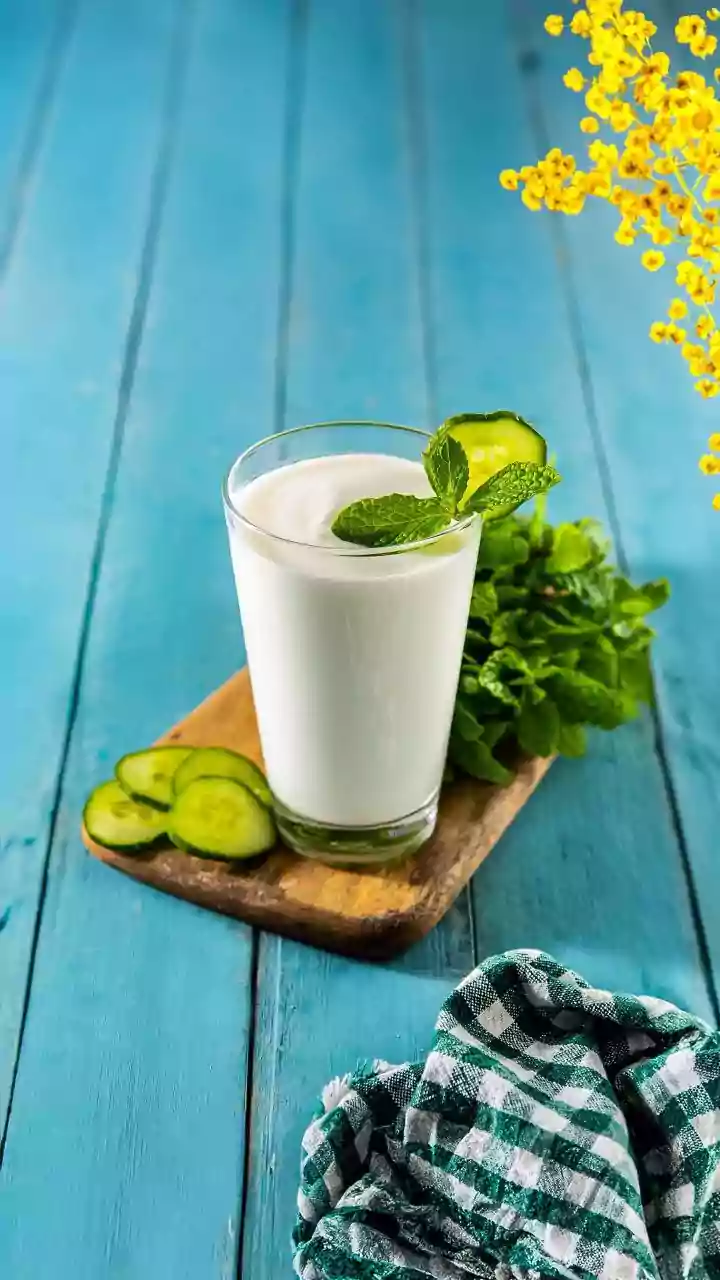
known as your microbiome. In a healthy city, there’s a balance between the good guys (probiotics) and the bad guys (pathogenic bacteria). Factors like stress, poor diet, and antibiotics can disrupt this balance, leading to digestive issues, inflammation, and other problems. Probiotics, found in fermented foods like yogurt, kimchi, kefir, and kombucha, as well as in supplement form, are like reinforcements sent in to help restore order and support the native population of good bacteria.
The Rise of the Microbiome
The obsession with gut health isn't just a fad; it’s rooted in a growing body of scientific research. For decades, the gut was seen primarily as a simple digestive tube. Now, scientists understand the gut microbiome is a complex and intelligent ecosystem that influences far more than just how we process food. It plays a crucial role in regulating our immune system, producing essential vitamins, and even communicating with our brain. This is known as the 'gut-brain axis.' Research suggests that an imbalanced gut can be linked to issues ranging from anxiety and depression to skin conditions like acne and eczema. This shift from a niche scientific topic to mainstream wellness knowledge has created the perfect environment for probiotics to become a star player.
Why Gen Z is Leading the Charge
So, why has Gen Z, in particular, become the unofficial ambassador for probiotics? It comes down to a few key generational traits. First, they are digital natives who get their information—and their trends—from platforms like TikTok and Instagram. The #GutTok hashtag has billions of views, with creators sharing personal stories, 'what I eat in a day' videos centered on gut-friendly foods, and reviews of probiotic supplements. This social proof is incredibly powerful. Second, Gen Z approaches wellness holistically. They are less interested in reactive, symptom-based fixes and more focused on proactive, preventative care that addresses the whole system. The idea that you can improve your mood, skin, and immunity by nurturing your internal ecosystem fits perfectly into this mindset. It's about optimizing from the inside out, which feels more authentic and empowering than a quick fix.
More Than a Tummy Ache
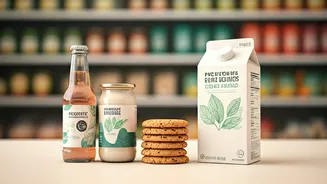
For previous generations, digestive aids were something you reached for after an indulgent meal. For Gen Z, probiotics are part of a daily ritual aimed at long-term well-being. They aren’t just trying to solve bloating; they are trying to manage stress, clear their skin, and boost their mental clarity. This generation is famously open about mental health struggles, and the scientific links between gut health and mood resonate deeply. The notion that tending to your gut could be a tangible, non-pharmaceutical way to support mental wellness is a compelling proposition. Brands have noticed, marketing probiotic-infused drinks and supplements not just for digestion, but for a 'glow,' 'balance,' and 'calm.' It’s a reframing of health that feels modern, integrated, and completely in tune with Gen Z values.
A Dose of Reality
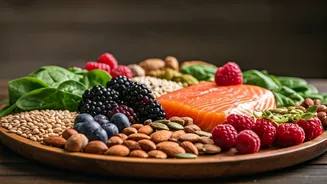
While the enthusiasm is high, it's important to approach probiotics with a level head. The science is promising but still evolving, and not all probiotics are created equal. Different strains of bacteria have different effects, and what works for one person might not work for another. The supplement market is also largely unregulated, meaning quality can vary wildly. Experts often recommend starting with food-based sources like plain yogurt or kefir, which offer a variety of strains alongside other nutrients. While a daily kombucha or a quality supplement can be a valuable part of a wellness routine, it's not a magic bullet. True health still relies on the fundamentals: a balanced diet, regular exercise, sufficient sleep, and stress management.