





The End of the Mid-Morning Slump
For decades, the standard American breakfast has been a festival of fast-acting carbohydrates. Think bowls of sugary cereal, stacks of syrupy pancakes, buttered toast, or a grab-and-go pastry. While delicious and convenient, this model often comes with
a hidden cost: the dreaded 10 a.m. energy crash. These foods cause a rapid spike in blood sugar, providing a quick burst of energy, which is inevitably followed by a sharp drop that leaves you feeling tired, foggy, and reaching for another coffee or a sugary snack. This cycle of spike-and-crash isn't just a minor annoyance; it can dictate the productivity and mood of your entire morning. The growing awareness of this pattern is a major driver behind the search for a better breakfast.
Why Protein Is the Morning MVP
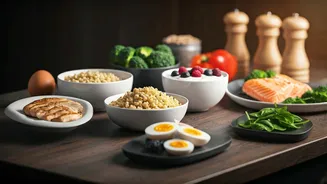
Enter protein. Unlike simple carbs, protein is digested more slowly, which leads to a more gradual release of energy. This simple biological fact has profound effects on your morning. First, and most noticeably, is satiety. A protein-rich breakfast helps you feel fuller for longer, curbing the temptation to graze on office donuts or vending machine snacks before noon. This is because protein helps regulate appetite-controlling hormones. Second, by preventing a sharp blood sugar spike, protein promotes more stable energy levels, helping you stay focused and alert. Finally, for those who are active, a morning dose of protein contributes to muscle repair and maintenance. It’s less about a restrictive diet and more about front-loading your day with the fuel it needs to run smoothly.
It’s Not Just for Bodybuilders
The image of a “high-protein” breakfast once conjured images of bodybuilders chugging raw eggs or chalky shakes. But the modern protein breakfast movement is far more accessible, delicious, and diverse. Food companies have responded to consumer demand with a wave of convenient, protein-fortified products, from Greek yogurts and cottage cheese to protein-enhanced oatmeal and even savory breakfast bars. This trend isn’t about hitting extreme macros; it’s about making a strategic nutritional choice. It's a simple swap: instead of a meal that works against you, you’re choosing one that works for you, setting a foundation of stability for whatever the day holds.
Five Easy Ways to Power Up Your Morning
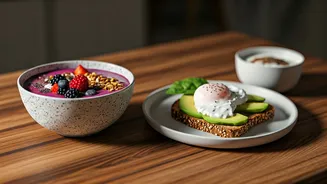
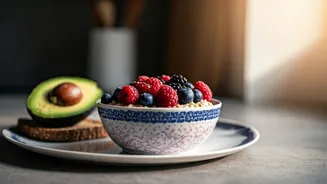
Making the switch doesn't require a radical overhaul of your kitchen or a degree in nutrition. It’s about smart additions and simple swaps. Here are five popular and practical ideas: 1. The Greek Yogurt Bowl: Start with a base of plain Greek yogurt, which is naturally high in protein. Top it with berries for fiber and antioxidants, a sprinkle of nuts or seeds for healthy fats and extra crunch, and a tiny drizzle of honey or maple syrup if you need a touch of sweetness. It’s fast, customizable, and satisfying. 2. Savory Cottage Cheese: Cottage cheese is making a major comeback. Don't just eat it plain—treat it like a savory base. Top a scoop with sliced avocado, cherry tomatoes, a sprinkle of everything bagel seasoning, or even just black pepper and a drizzle of good olive oil. It feels surprisingly decadent. 3. Next-Level Eggs: Eggs are a classic for a reason. To make them even more powerful and portable, bake a batch of egg bites in a muffin tin at the start of the week. Mix whisked eggs with cheese, spinach, cooked sausage, or any leftover veggies, and bake until set. You’ll have a grab-and-go breakfast for days. 4. Upgraded Oatmeal: Give your standard oatmeal a protein boost. Stir in a scoop of protein powder (vanilla or unflavored works best) or a heaping spoonful of nut butter as it cooks. You can also make “proats” (protein oats) by adding a whisked egg white during the last minute of cooking, which makes it creamy and adds protein without affecting the taste. 5. The Smarter Smoothie: Many smoothies are sugar bombs in disguise. To build a better one, start with a protein source like Greek yogurt, milk, or a quality protein powder. Add a handful of greens like spinach (you won’t taste it), a small portion of fruit like a banana or berries, and a source of healthy fat like almond butter or chia seeds to maximize satiety.