



The Taste of Home
For decades, certain foods have served as edible links to India for the diaspora. Think of the iconic rectangular pack of Parle-G biscuits, the ultimate companion to a cup of chai. Or the distinctive floral sweetness of Rooh Afza syrup, a staple for breaking
fasts during Ramadan or cooling down on a hot day. For first-generation immigrants, these products weren't just groceries; they were anchors to a life and a culture left behind. Finding them in a specialty store in a new country was a small but profound victory, a taste of home in an unfamiliar land. These brands—Amul butter, Maggi noodles, Britannia biscuits—became shorthand for a shared Indian identity, passed down from parents to children through lunchboxes and after-school snacks.
A New Generation's Craving
Today, the nostalgia these brands evoke has a new, powerful audience: second- and third-generation Indian Americans. For this group, the connection isn't necessarily to India itself, but to their own childhoods in the U.S. That Parle-G biscuit isn't a memory of a grandmother's kitchen in Mumbai; it's a memory of *their* mother's kitchen in New Jersey. The nostalgia is for a specific, hybrid Indian-American upbringing. This generation, now grown and with its own purchasing power, is actively seeking to reconnect with these flavors. They aren't just buying products; they are buying back a piece of their youth and validating a part of their identity that may have felt out of place in mainstream American school cafeterias.
The Business of Belonging
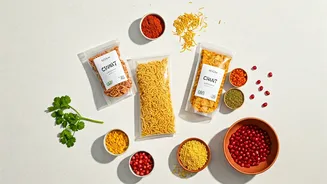
Smart companies are paying close attention. They see a demographic that is affluent, culturally proud, and digitally native. Legacy brands are doubling down on their heritage status, using social media to share nostalgic stories and remind consumers of their enduring presence. But it's the new wave of direct-to-consumer (DTC) brands that are truly pushing the trend forward. Companies are launching products that put a modern spin on classic flavors, often with an emphasis on clean ingredients and slick packaging. Think turmeric-infused lattes, masala-spiced popcorn, or high-end ghee. These startups aren't just selling food; they're selling a narrative of cultural pride, updated for a 21st-century, wellness-conscious consumer. They have recognized that for many, connecting with their heritage is a form of self-care.
More Than Just a Snack
This trend goes deeper than marketing. It reflects the growing cultural confidence of the Indian diaspora in America. As the community has become more visible and influential, its culture is no longer something to be hidden or assimilated away. Instead, it's a source of strength, creativity, and connection. Food is one of the most accessible and potent ways to express this. It's a conversation starter, a bridge between generations, and a way to celebrate a complex identity that is both Indian and American. By embracing these nostalgic flavors, consumers are making a statement: our history matters, our tastes are valid, and our stories deserve a place on the shelf.