

The Land of Nothing and Everything
First, let's get oriented. Tucked away in the Indian state of Himachal Pradesh, bordering Tibet, Spiti Valley is a high-altitude cold desert. Think of it as the geological cousin of the Tibetan plateau, but with its own distinct, raw character. The name
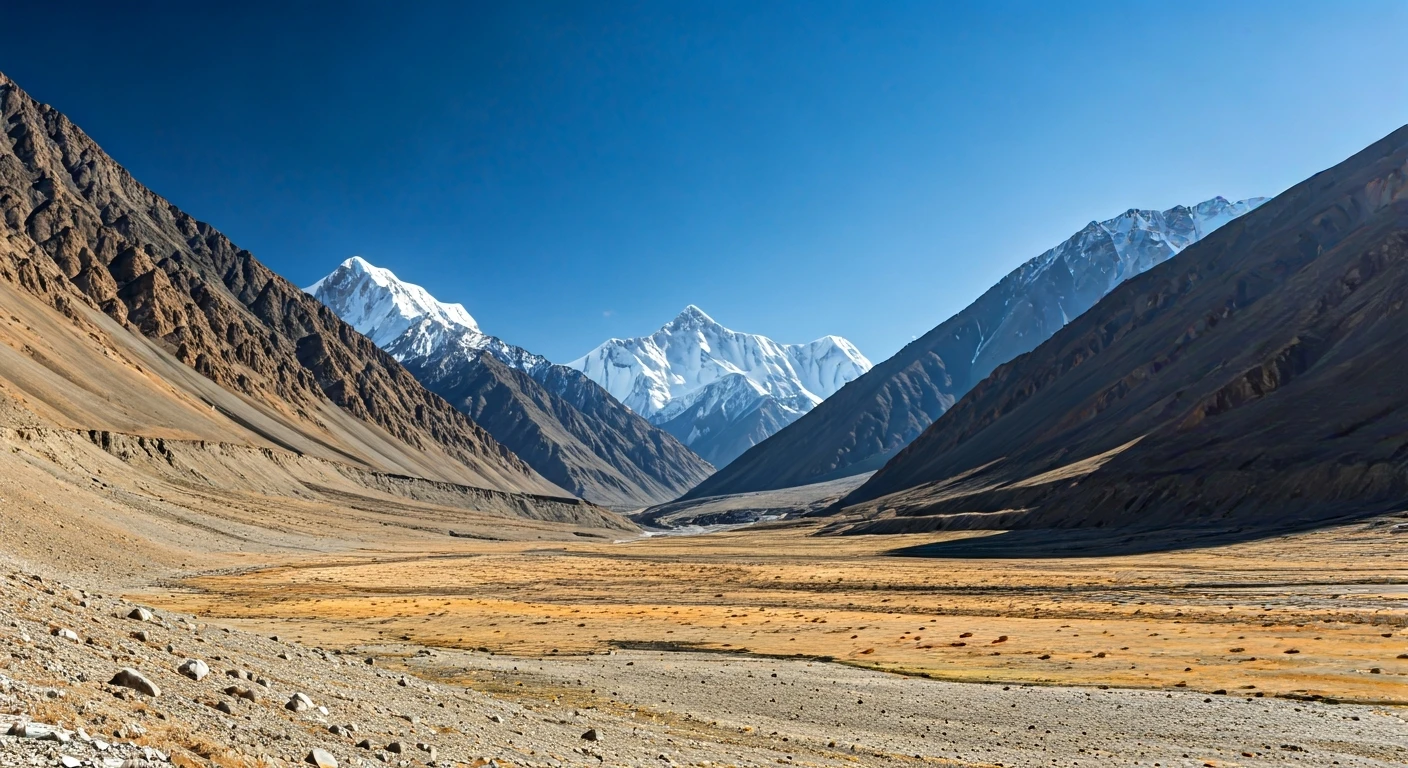
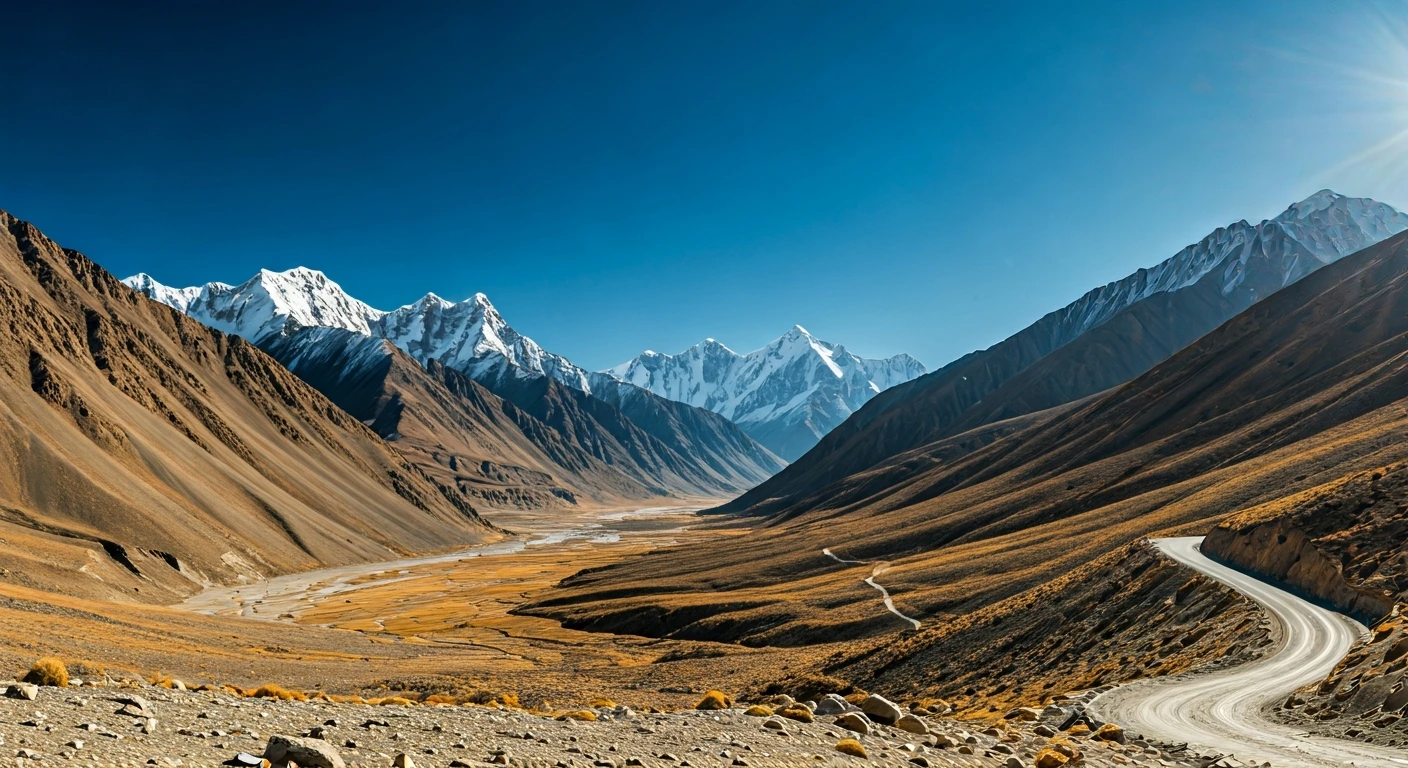
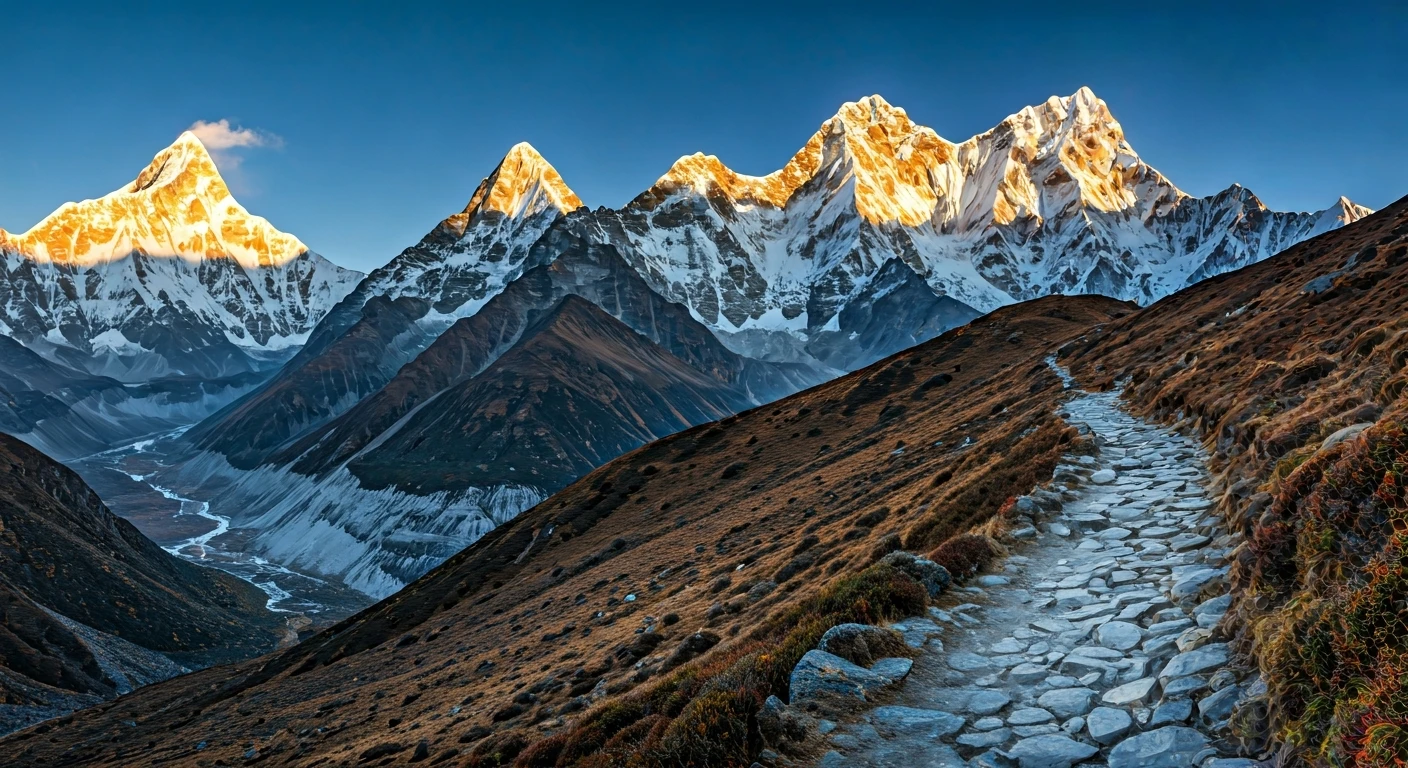
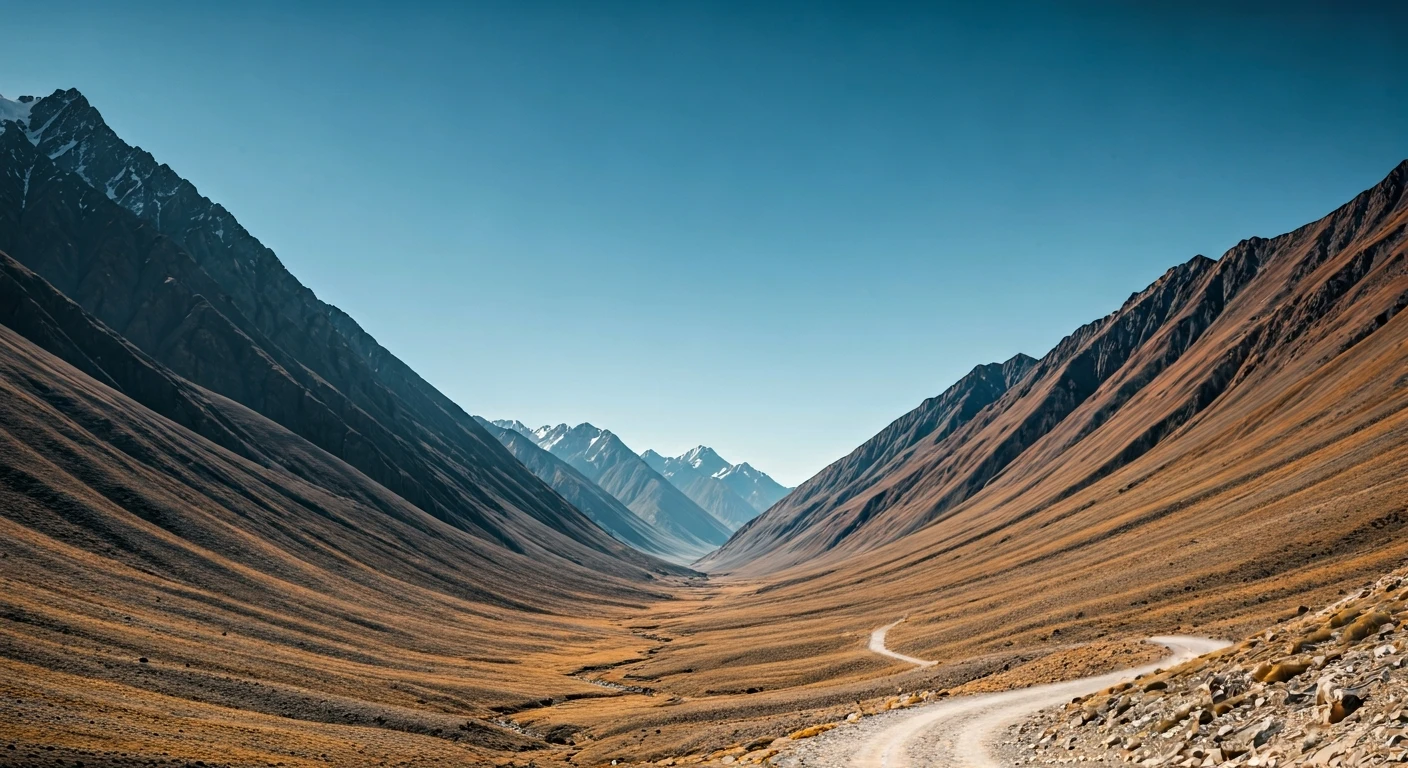
'Spiti' means 'the middle land,' and for centuries, it was a world unto itself. The landscape is a brutalist masterpiece of barren mountains, deep gorges carved by the turquoise Spiti River, and a sky so vast and clear it feels spiritual. This isn't the lush, green postcard of the lower Himalayas. This is stark, lunar, and profoundly beautiful in its emptiness. For travelers weary of the over-touristed trails of Nepal or the easy comforts of the Alps, Spiti offers an antidote: a place where the silence is as significant as the scenery.
The Journey Is Half the Bragging Right
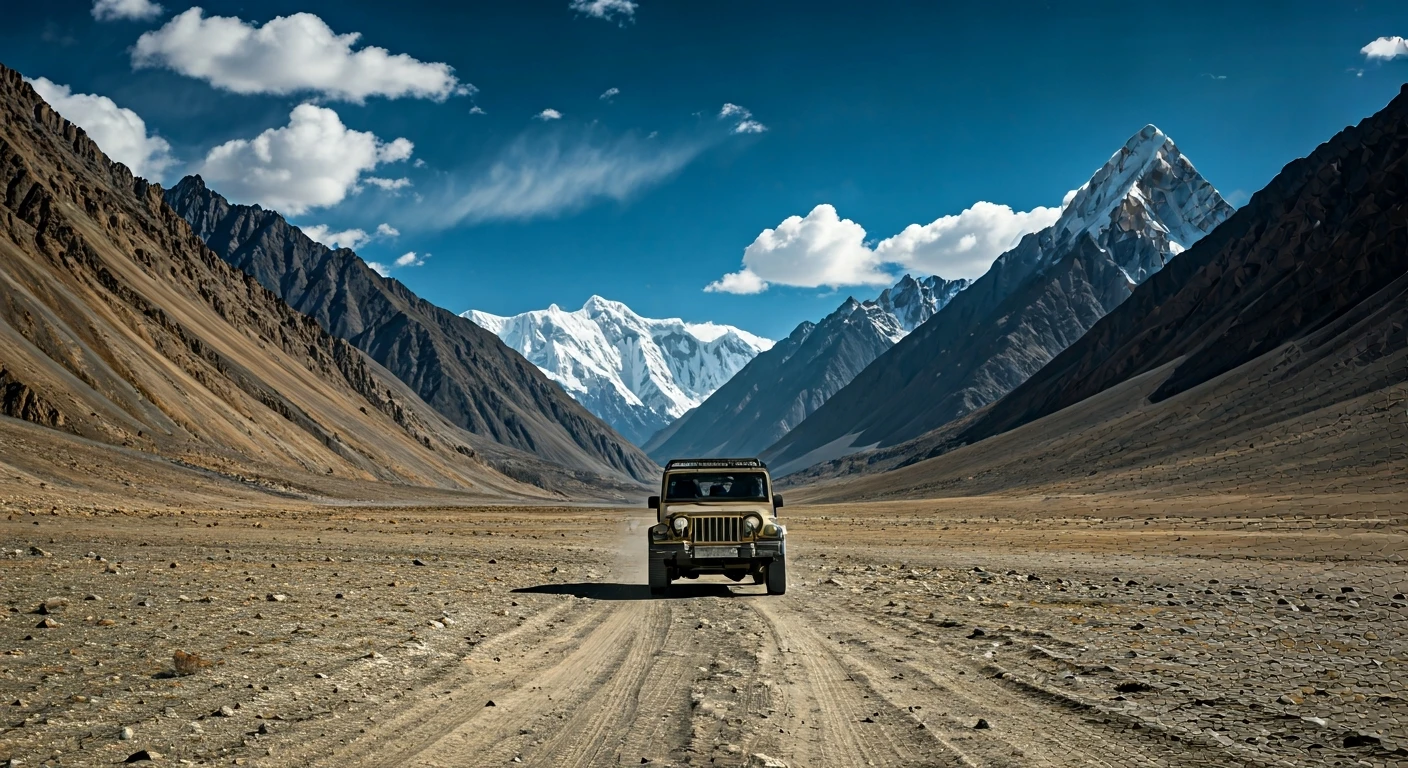
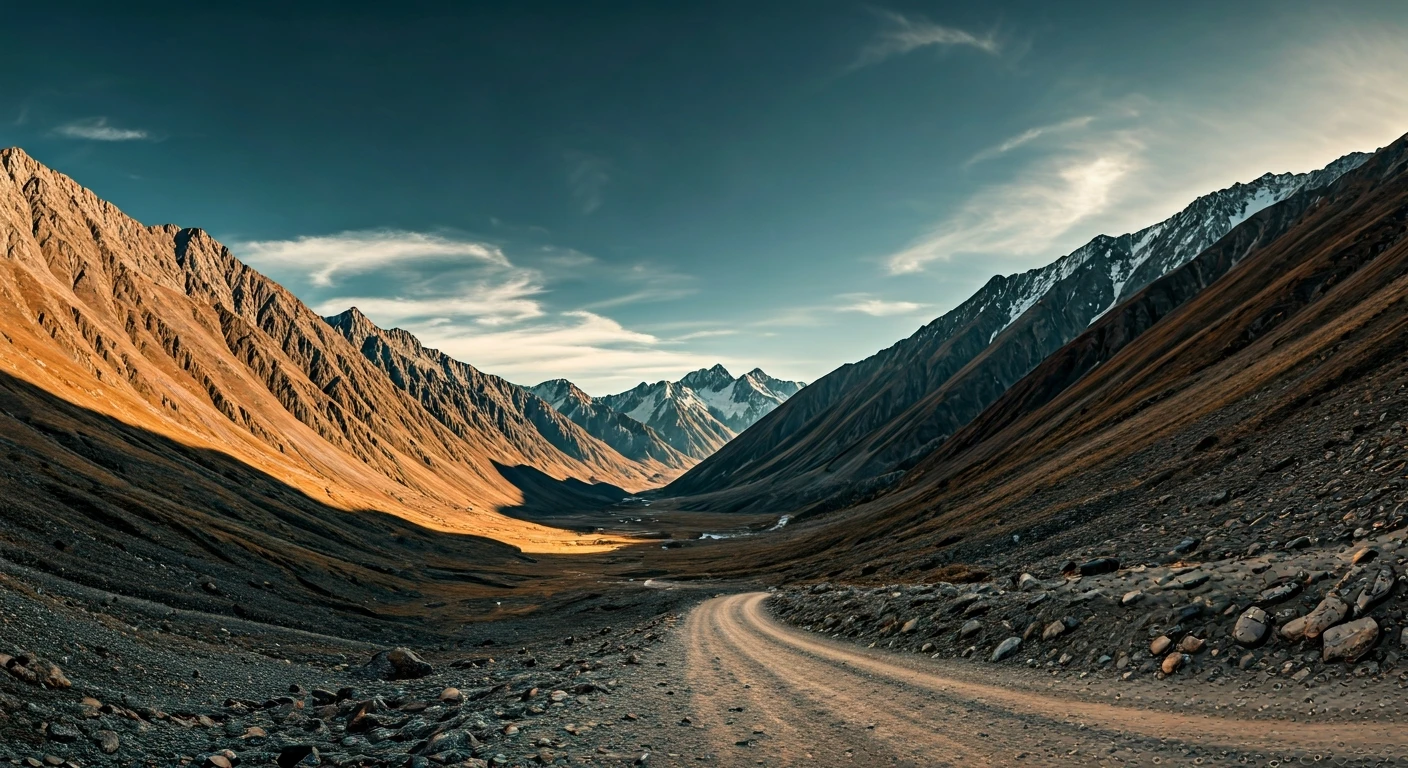
You don't just 'pop over' to Spiti. Getting there is a core part of the experience and a significant filter for the type of person who visits. There are two main routes, both of which are an adventure in themselves. The more popular summer route from Manali involves crossing the treacherous Rohtang Pass (or the new Atal Tunnel) and the formidable 14,931-foot Kunzum Pass. This is a bone-rattling, multi-day journey on roads that are often little more than gravel tracks clinging to the side of a cliff. The alternative route from Shimla is longer, stays open for more of the year, and is often called 'one of the world's most dangerous roads.' Whichever way you go, the journey requires patience, a sturdy vehicle, and a healthy respect for mother nature. This barrier to entry is precisely what preserves its magic. You have to work for it, and that effort makes the arrival in the valley’s main town, Kaza, feel like a genuine accomplishment.
Culture Clinging to the Cliffs
The true soul of Spiti lies in its Tibetan Buddhist culture, which has flourished here in isolation for over a thousand years. The valley is dotted with some of the oldest and most spectacular monasteries in the world. There’s Key Gompa, a surreal, fort-like complex that seems to spill down a conical hill, looking like something out of a fantasy epic. Then there's the Tabo Monastery, a UNESCO World Heritage site whose unassuming mud-brick exterior hides ancient, breathtaking murals that have earned it the nickname 'Ajanta of the Himalayas.' And let’s not forget Dhankar Gompa, perched precariously on a 1,000-foot spur overlooking the confluence of the Spiti and Pin rivers. Visiting these places isn't a passive tourist activity; it's a step back in time, a quiet immersion into a world of chanting monks, fluttering prayer flags, and a deep, unshakable sense of peace.
The Ultimate High-Altitude Checklist
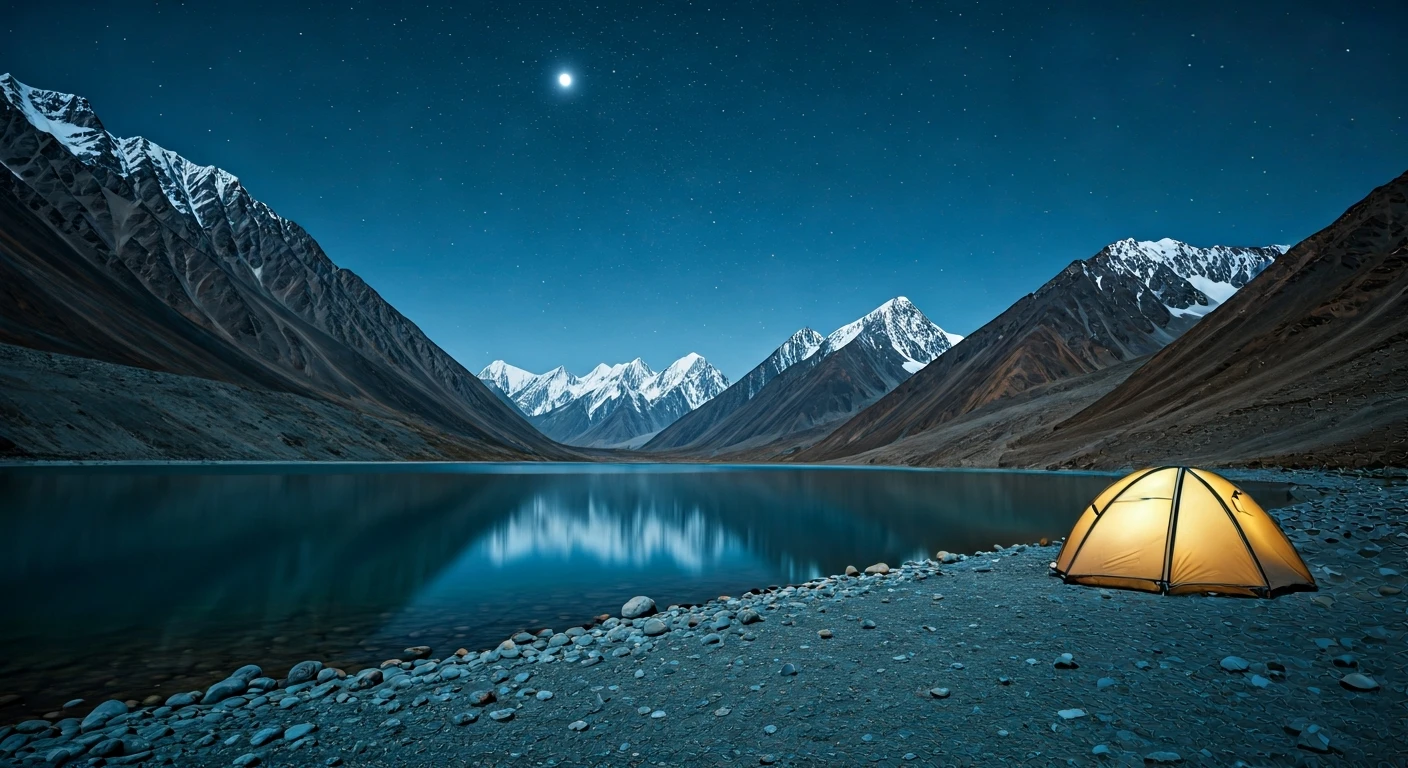
While the vibe is the main draw, Spiti also delivers on specific, certifiable 'flex' moments. You can send a postcard from the world's highest post office in the tiny village of Hikkim (elevation: 14,567 feet). You can visit Komic, one of the highest villages in the world connected by a motorable road, and have a cup of tea while contemplating life at nearly 15,000 feet. You can stare up at a pristine Milky Way, unobscured by light pollution, or try to spot an elusive snow leopard in the winter. These aren't just photo ops; they are pilgrimage points on a modern adventurer’s map. They are tangible proof that you went somewhere truly remote, a place that tested your limits and rewarded you with experiences that can’t be bought, only earned through grit and a willingness to embrace the uncomfortable.