






The End of an Iron Age
For decades, the free-weight section of most American gyms was an intimidating space, informally governed by a specific archetype: the “gym bro.” His goals were simple and visible—hypertrophy (building massive muscle), peak bench press numbers, and an aesthetic
chiseled from a bodybuilding magazine. The culture often felt exclusive, rife with unspoken rules, quiet judgment, and a focus on brute force over form or function. But that sovereignty is dissolving. The rise of social media has democratized fitness knowledge, wresting it from the hands of a few self-appointed gurus. Online, a new generation of certified trainers and physical therapists shares evidence-based advice for free, dismantling the myths and bad habits that once circulated the gym floor. This informational shift, combined with a broader cultural conversation around inclusivity and toxic masculinity, has cracked the foundation of the old guard’s dominance.
A New Class Is Lifting
Step into a modern gym, and the change is palpable. The most significant shift is the explosion of women in strength training. Fueled by the “strong not skinny” movement, millions of women have embraced lifting not for weight loss, but for power, confidence, and capability. They are not just using the 5-pound dumbbells anymore; they are deadlifting, squatting heavy, and claiming space at the racks once considered male territory. But the diversification doesn't stop there. Older adults are increasingly picking up weights, motivated by a growing body of research linking resistance training to longevity, bone density, and a higher quality of life—or “healthspan.” They’re focused on maintaining muscle mass to prevent falls and stay independent longer. Even teenagers are getting involved, learning proper form in school programs or from online coaches, seeing strength as a foundation for overall athletic development and mental resilience rather than just a vanity project.
More Than Just Muscle
Perhaps the biggest change is the redefinition of “strength” itself. The singular goal of getting as big as possible has been replaced by a wide spectrum of motivations. For many, the gym is now a sanctuary for mental health. The focused, repetitive nature of lifting can be a powerful form of mindfulness, proven to reduce symptoms of anxiety and depression. The feeling of getting progressively stronger provides a tangible sense of accomplishment that can be hard to find in other areas of life. Others are training for “functional fitness”—the ability to handle the physical demands of daily existence with ease. This means building the strength to carry heavy groceries, lift a child without back pain, or simply move through the world with more confidence and less risk of injury. The goal isn't a certain look, but a certain feeling: capable, resilient, and ready for anything.
The Changing Fitness Landscape
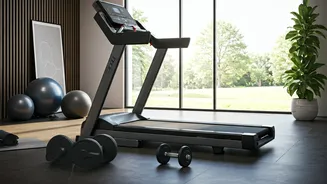
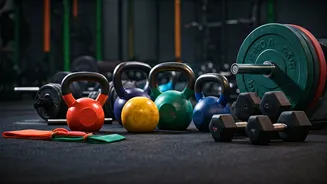
The revolution isn’t just happening inside the traditional big-box gym. The fitness industry has fragmented to cater to these new audiences. Boutique studios focusing on strength, like CrossFit, F45, and Solidcore, have built strong, community-oriented environments that feel more welcoming than a vast, anonymous weight floor. These spaces often have a more balanced gender ratio and a coaching-centric model that makes them less intimidating for beginners. Furthermore, the pandemic accelerated the boom in home gyms. Armed with a few kettlebells, resistance bands, or a simple barbell setup, millions of Americans now follow online programs from a diverse cast of trainers who cater to every niche imaginable—from pre-natal lifting to strength for seniors. This decentralization of fitness means you no longer have to enter the “gym bro’s” domain to get strong; the gym now comes to you, on your terms.