





First, What Is the 'Soft Life'?
Before you can understand the food, you have to understand the philosophy. The term 'soft life' originated in Nigerian online communities and quickly went global via TikTok and Instagram. At its core, it’s a conscious rejection of hustle culture and the glorification
of struggle. Instead, it champions a life of ease, peace, minimal stress, and intentional comfort. It’s about choosing pathways that feel good, surrounding yourself with beauty, and prioritizing your mental and emotional well-being over relentless ambition. Think of it as the Gen Z and Millennial evolution of 'self-care,' upgraded from a temporary fix (like a bath bomb) to a foundational lifestyle choice.
From Hashtag to Restaurant
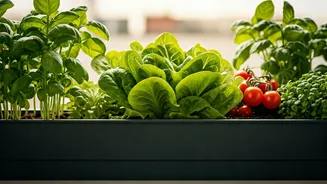
So how does a digital mantra translate to a dining room? In India’s bustling metropolises like Mumbai, Delhi, and Bengaluru, it manifests as a new wave of cafés and restaurants designed to be sanctuaries. The aesthetic is key: spaces are flooded with natural light, filled with plants, and decorated in a palette of calming pastels, earthy tones, and natural materials like wood and rattan. It’s the opposite of a dark, loud, high-turnover bistro. The goal is to create an environment that encourages you to linger, to slow down, to post a serene photo, and to feel genuinely relaxed. These aren't just places to eat; they're curated environments designed to lower your cortisol levels.
A Menu Built for Comfort
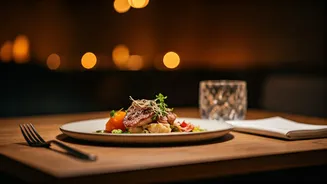
The 'soft life' ethos extends directly to the plate. The food isn’t about intimidating, avant-garde gastronomy. Instead, menus focus on what could be described as elevated comfort food. Think beautifully plated avocado toast, artisanal coffee with elaborate latte art, nourishing grain bowls, delicate pastries, and colorful smoothie bowls. The emphasis is on fresh, high-quality ingredients and presentation that is both comforting and photogenic. It’s food that looks and feels good to eat. This approach also favors a more leisurely dining style—think small plates shared among friends over a long afternoon, rather than a formal, multi-course meal rushed by an impatient server.
Why This Trend Is Booming in India
The rise of soft-life dining isn't happening in a vacuum. It’s a direct reflection of major social and economic shifts in urban India. A growing, globally connected middle and upper-middle class has more disposable income and is highly fluent in international internet trends. After years of a culture that lionized hard work and sacrifice as the only path to success, a younger generation is questioning that narrative, especially in the wake of the pandemic's burnout crisis. They are seeking experiences that offer respite from the chaos of city life. For this demographic, spending a little more for a peaceful, aesthetically pleasing two-hour brunch isn't an indulgence; it's a necessary investment in their well-being.
More Than Just a Pretty Picture?
Of course, there are critiques. Some dismiss the trend as superficial—a form of conspicuous consumption disguised as wellness, accessible only to a privileged few. And it’s true that the 'soft life' aesthetic can sometimes feel more like a performance for social media than a genuine state of being. However, to write it off completely would be to miss the point. The deep appeal of these spaces suggests a real, widespread yearning for a different way of living. It signifies a cultural shift where the quality of an experience—the feeling, the atmosphere, the sense of peace—is becoming just as important, if not more so, than the product itself.