






The Rise of the “Pet Parent”
For generations, the concept of a pet in many Indian households was functional—a guard dog for the property or a cat to manage pests. But a profound cultural shift is underway. Driven by a burgeoning middle class, rising disposable incomes, and the global
trend of “pet humanization,” dogs and cats are now firmly established as cherished family members. Younger, urban Indians—millennials and Gen Z, in particular—often refer to themselves as “pet parents” rather than owners. They invest heavily in their pets’ well-being, from gourmet food and premium healthcare to accessories and grooming. This emotional bond has a direct economic consequence: when it’s time for a holiday, the thought of leaving a furry family member in a kennel or with a sitter feels less like an inconvenience and more like an emotional betrayal. This isn't just about affection; it's a reflection of changing family structures, where pets often fill the role of companions in smaller, nuclear households.
A New Breed of Hospitality
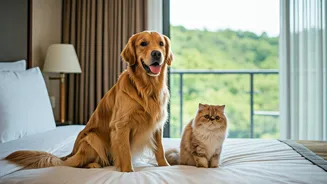
India’s traditionally rigid hospitality industry is waking up to the opportunity. Once a rarity, the “pet-friendly” label is becoming a lucrative differentiator. Major hotel chains and boutique properties alike are rolling out the red carpet for four-legged guests. It’s no longer enough to simply *allow* pets. The new standard involves dedicated services: curated pet menus with boiled chicken and rice, plush bedding, designated walking areas, and even pet-sitting services so the humans can enjoy a non-pet-friendly excursion. Travel companies like Thomas Cook India have reported a significant surge—some estimates suggest a 30-40% increase—in inquiries for vacations that can accommodate pets. This demand is particularly strong for drivable destinations, with travelers booking private villas, homestays, and resorts within a few hours' drive of major cities like Mumbai, Delhi, and Bengaluru.
Navigating the Logistical Hurdles
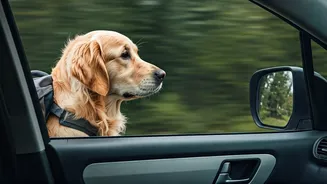
Despite the enthusiasm, traveling with a pet in India is not without its challenges. The primary roadblock is transportation. While road trips are booming, India’s public transport network remains largely inaccessible to pets. The Indian Railways has notoriously complex and restrictive rules, often relegating pets to luggage cars, a non-starter for concerned owners. Air travel is similarly complicated, with a patchwork of airline-specific regulations, high costs, and limited capacity. This logistical gap has created a niche for specialized startups. A new ecosystem of “pet-taxis,” travel organizers, and relocation specialists is emerging to help navigate the bureaucracy and provide safe, comfortable transit. These services are still nascent and often expensive, but their very existence signals the powerful demand for a solution.
More Than Just a Vacation
The demand for pet-friendly holidays is a telling barometer of modern India. It signifies a consumer market that is not only growing wealthier but also more discerning and emotionally expressive. It mirrors trends that took hold in the U.S. and Europe decades ago, but with a uniquely Indian twist. Here, the trend is intertwined with the explosion of the digital economy—travelers share their pet-friendly finds on Instagram, creating viral demand for certain properties, and use WhatsApp to coordinate with hosts about their pet’s specific needs. It’s a market built on trust, community-sourced information, and the powerful desire to create shared memories not just with partners and children, but with the entire family, paws and all.