






What Exactly Is Breath-Synced Walking?
At its core, breath-synced walking is the simple, intentional act of coordinating your footsteps with your inhales and exhales. Instead of letting your mind wander or listening to a podcast while you stroll, you turn your attention inward, focusing on the rhythm
of your breath and matching your pace to it. For example, you might inhale for four steps and then exhale for four steps. It sounds deceptively simple, but this conscious linkage transforms a mundane physical activity into a meditative practice. It’s not about speed or distance; it’s about presence. By anchoring your awareness to the dual, constant rhythms of breathing and walking, you effectively quiet the mental chatter that often accompanies us throughout the day, creating a state of calm focus and heightened body awareness.
Ancient Roots in Yogic Tradition
While the term might be new to many American yoga and wellness studios, the concept is ancient. Breath-synced walking has deep roots in yogic traditions from India, where it is often considered a form of *pranayama* (breath regulation) in motion. Yogis have long used walking meditation as a way to cultivate mindfulness outside of the seated posture. The practice bridges the gap between a formal meditation session and everyday life, teaching practitioners how to carry a sense of peace and awareness with them. The current trend of bringing this into a studio setting—often as a warm-up, cool-down, or a class in its own right—is simply a modern packaging of this timeless technique. It offers a more accessible entry point for those who find traditional seated meditation challenging or intimidating.
The Science-Backed Benefits
The appeal of breath-synced walking goes beyond its spiritual heritage; its benefits are grounded in physiology. When you consciously slow and deepen your breath, you activate the parasympathetic nervous system—the body's “rest and digest” mode. This counteracts the chronic stress response (the “fight or flight” mode) that so many of us live in. The results can include a lower heart rate, reduced blood pressure, and decreased levels of the stress hormone cortisol. Furthermore, the rhythmic nature of the practice, known as rhythmic auditory stimulation when applied to movement, has been shown to improve gait, balance, and coordination. Mentally, the focused attention required can enhance cognitive function and concentration, acting as a reset button for a scattered mind. It offers the cardiovascular benefits of walking combined with the neurological benefits of meditation.
How to Try It Yourself
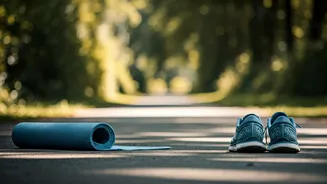
You don’t need a studio or a guru to get started. The beauty of this practice is its accessibility. Find a quiet place where you can walk without too many interruptions, like a park, a track, or even a long hallway.
1. **Start by standing still.** Take a few deep, conscious breaths to center yourself. Notice the feeling of the air entering and leaving your body.
2. **Begin walking at a natural, comfortable pace.** For the first minute, just walk and observe your surroundings and your body.
3. **Introduce the rhythm.** Start by counting your steps with your breath. A good starting point is a 4:4 ratio: inhale for four steps, then exhale for four steps. The length should feel comfortable, not forced.
4. **Stay focused.** Your mind will inevitably wander. When it does, gently guide your attention back to the sensation of your feet on the ground and the rhythm of your breath.
As you get more comfortable, you can experiment with different ratios. For a more calming effect, try extending your exhale (e.g., inhale for four steps, exhale for six). For a more energizing walk, you can try shorter, more brisk breath cycles. The key is to find a rhythm that feels right for you.