





The Secret Is In Its Structure
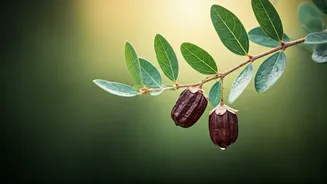
First, a quick correction: jojoba (pronounced ho-HO-ba) oil isn't technically an oil. It's a liquid wax ester extracted from the seeds of the Simmondsia chinensis shrub, which is native to the American Southwest. This distinction is crucial because its
molecular structure is remarkably similar to sebum, the natural oil produced by our own skin and scalp. While other popular oils like coconut or olive oil are great moisturizers, they have a completely different composition. Jojoba's likeness to our body's own conditioner is what makes it uniquely qualified to work *with* your scalp, not just *on* it. This biocompatibility allows it to absorb easily without leaving a heavy, greasy residue or clogging hair follicles, making it suitable for a wide range of hair and skin types.
It Balances Oil Production
This is where jojoba oil truly shines. Because it so closely mimics natural sebum, it can help regulate the scalp's oil production. If your scalp is overly dry, it might overcompensate by producing an excess of sebum, leading to greasy hair. Applying jojoba oil sends a signal to your follicles that there is enough moisture present, which can help dial back that overproduction. Conversely, for those with a naturally dry and tight-feeling scalp, jojoba oil provides the exact kind of non-greasy moisture needed to restore comfort and suppleness. It works like a smart thermostat for your scalp, helping to bring it back toward a state of equilibrium whether it’s too oily or too dry.
A Superior Moisturizer for Scalp and Hair
A healthy scalp is a well-moisturized one, and jojoba is an exceptional emollient. It penetrates the hair shaft and scalp skin to deliver deep hydration. This helps combat the brittleness and breakage that often starts at the root. Unlike some heavier oils that can coat the hair and weigh it down, jojoba’s lightweight nature means it moisturizes without sacrificing volume. Furthermore, its moisturizing properties are key to addressing the flakiness and itchiness associated with dandruff or simple dryness. By keeping the scalp skin hydrated and pliable, it reduces the likelihood of dead skin cells building up and shedding as visible flakes.
It Can Help Cleanse and Soothe
Beyond moisturizing, jojoba oil can also act as a gentle cleanser. Since oil dissolves oil, a pre-shampoo treatment with jojoba can help loosen and lift hardened sebum, dead skin cells, and product buildup that can clog hair follicles. A clean, unobstructed follicle is essential for healthy hair growth. Additionally, jojoba oil is rich in antioxidants like Vitamin E and possesses natural anti-inflammatory properties. This can help soothe irritation, redness, and itchiness. While it's not a medical treatment for conditions like psoriasis or eczema, many people find that its calming effect provides welcome relief from minor scalp discomfort and creates a healthier environment overall.
How to Use It for Best Results
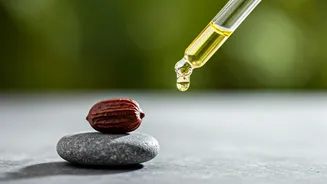
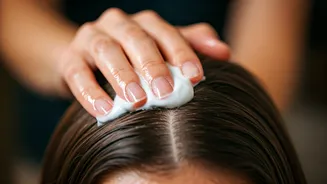
Incorporating jojoba oil into your routine is simple. For a deep-conditioning scalp treatment, apply a few droppers of pure, cold-pressed jojoba oil directly to your dry scalp. Massage it in gently with your fingertips for several minutes to boost circulation and ensure even distribution. Let it sit for at least 20-30 minutes (or even overnight for an intensive treatment) before shampooing and conditioning as usual. You can also add a few drops to your favorite shampoo or conditioner to enhance its moisturizing properties. For taming frizz or adding a bit of shine, rub one or two drops between your palms and lightly smooth it over the ends of your dry hair. Always start with a small amount; a little goes a long way.