



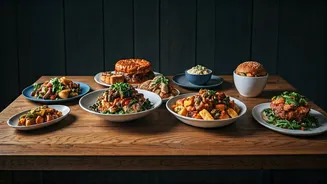
The Quiet Rebellion Against 'Try-Hard' Food
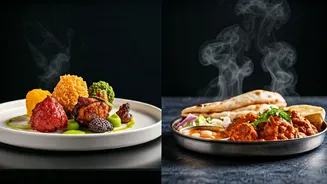
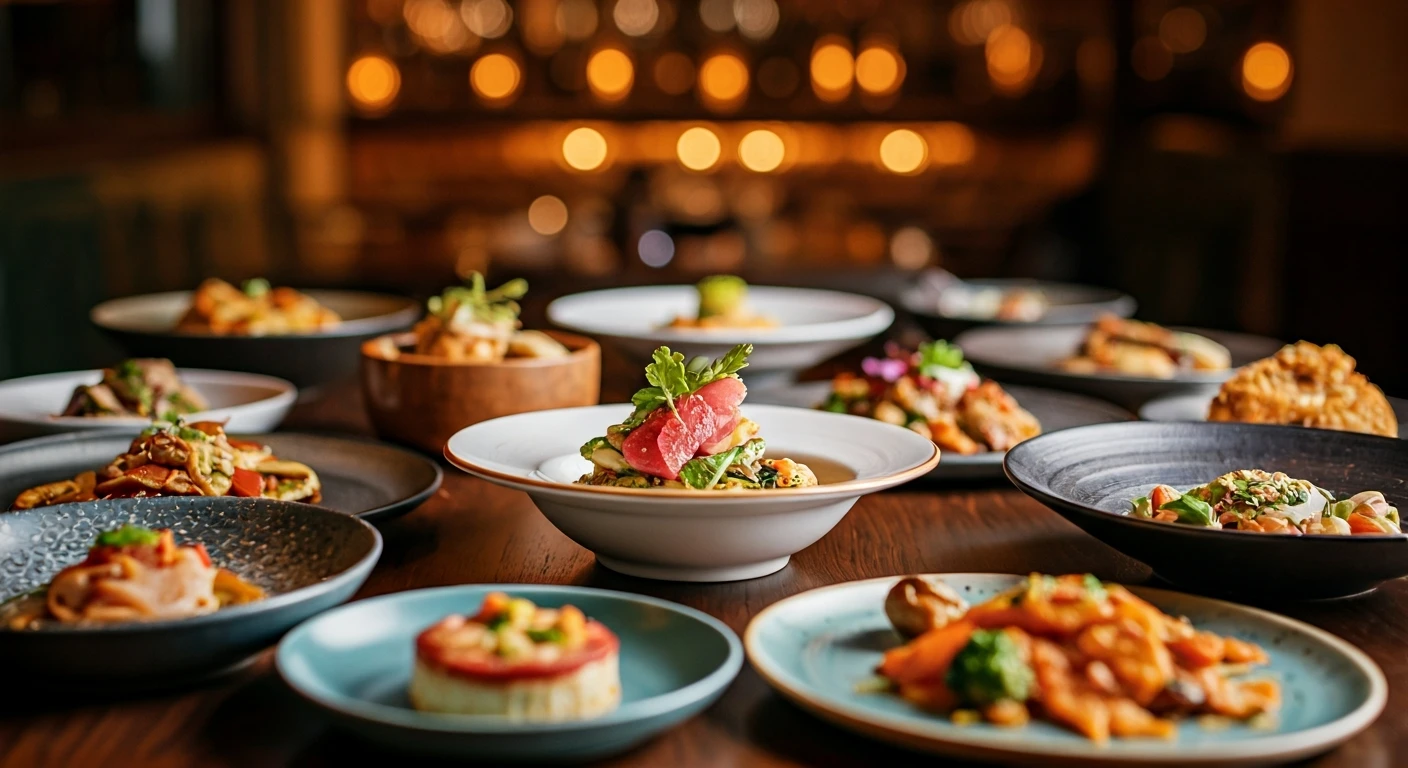
For years, fine dining and even casual restaurants seemed locked in an arms race of complexity. Menus were filled with foams, gels, deconstructions, and ingredients requiring a botanical dictionary. It was often exciting, but it could also be exhausting.
Now, a quiet rebellion is taking place on our plates. Chefs and diners alike are finding renewed joy in dishes that don't need a three-minute explanation from the server. A perfect shrimp cocktail, a well-made Caesar salad, or a simple, expertly cooked steak frites offers a different kind of confidence. Its excellence is self-evident. This isn't about a lack of creativity, but a refocusing of it—on perfect execution rather than novel invention.
A Craving for Comfort and Certainty
It’s impossible to separate what we eat from how we feel. In times of social, political, and economic uncertainty, we instinctively reach for comfort. And what’s more comforting than the food of our collective past? These classic dishes are culinary security blankets. They taste like a celebration dinner from decades ago or a meal at your favorite childhood restaurant. There are no surprises in a deviled egg, only the satisfying fulfillment of expectation. This wave of what some call 'culinary nostalgia' isn't about living in the past; it’s about borrowing some of its stability. When the future feels unpredictable, a classic dish offers a delicious and dependable moment of certainty.
Accidentally Instagram-Worthy
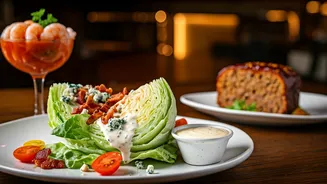
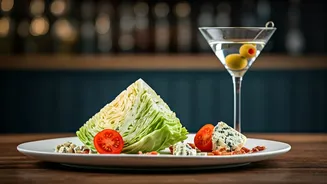
You might think the intricate, multi-component dishes would rule social media, but classics have a secret weapon: bold, graphic simplicity. Think about it. The clean, geometric lines of a wedge salad dripping with blue cheese dressing. The stark, elegant silhouette of a martini glass. The vibrant, singular color of a good shrimp cocktail sauce. These dishes are unintentionally photogenic. In a crowded, visually noisy Instagram feed, their clarity stands out. Unlike a complex brown braise that can look muddy on camera, a classic dish is often instantly recognizable and visually appealing without filters or clever angles. Their trendiness is amplified by an aesthetic that was perfected long before the first smartphone.
Exhibit A: The Wedge Salad
For decades, the wedge salad was the poster child for dated, unsophisticated steakhouse fare—a clumsy chunk of iceberg lettuce barely tolerated on menus. Today, it’s back with a vengeance, appearing everywhere from high-end chop houses to trendy neighborhood bistros. Why? Because it’s incredible. It delivers a perfect symphony of textures and temperatures: the cold, crisp crunch of the lettuce, the creamy tang of the blue cheese dressing, the salty bite of bacon, and the sweet burst of tomato. It’s a salad that scoffs at the idea of subtlety, and in doing so, it has become a statement of unapologetic pleasure.
Exhibit B: The Classic Martini
After a long affair with complicated, fruit-muddled cocktails, the bar world is returning to the fundamentals. Leading the charge is the Martini. Whether it’s the espresso-fueled version that took over a few years ago or the bracingly simple gin or vodka original, the martini represents a return to form. It’s a drink about temperature, texture, and the quality of just two or three ingredients. Ordering one feels declarative and adult. It’s not a sweet concoction designed to mask the alcohol; it’s a celebration of it. Its resurgence signals a maturing of cocktail culture, where drinkers are seeking refined, potent, and timeless flavors over fleeting, sugary trends.
Exhibit C: Deviled Eggs and Shrimp Scampi
It’s not just salads and cocktails. Humble party foods and mid-century mainstays are being elevated. Deviled eggs, once relegated to potlucks, are now a chic appetizer on upscale menus, topped with everything from fried capers to pricey caviar. They are a perfect, low-cost vehicle for a chef’s creativity. Likewise, Shrimp Scampi, with its decadent bath of garlic, butter, and white wine, is being rediscovered. It’s simple, deeply satisfying, and delivers a powerful punch of flavor without pretense. These dishes prove that a recipe doesn’t have to be new to feel fresh; it just has to be done right.