

An Ode to the 'King of Fruits'
Welcome to the International Mango Festival in Delhi, India—an annual, multi-day spectacle dedicated entirely to the glory of the mango. Held at the peak of India’s sweltering summer, usually in late June or early July, this isn't just a farmer's market;
it's a sensory explosion and a vibrant cultural pilgrimage. The festival is a joyful, chaotic, and utterly delicious tribute to what Indians affectionately call the 'King of Fruits.' For a few days, a corner of the bustling capital transforms into a mango paradise, drawing thousands of farmers, vendors, chefs, and die-hard fruit lovers from across the country and the world. The mission is simple: to celebrate, taste, and honor the magnificent mango in all its forms.
A Spectrum of Sun-Kissed Gold
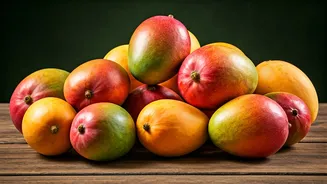
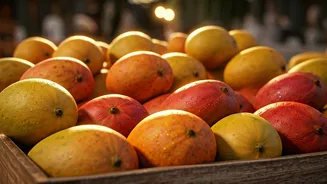
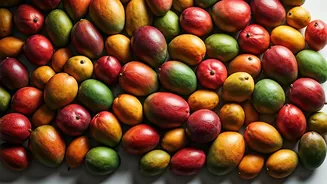
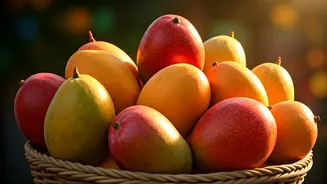
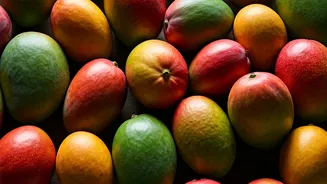
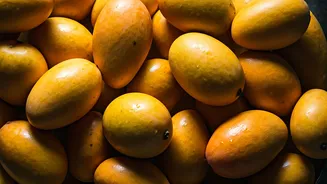
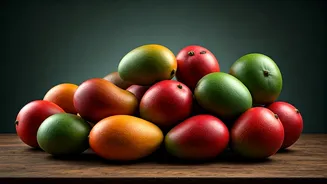
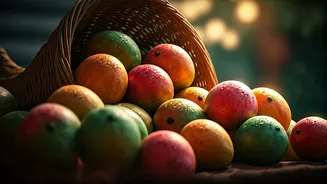
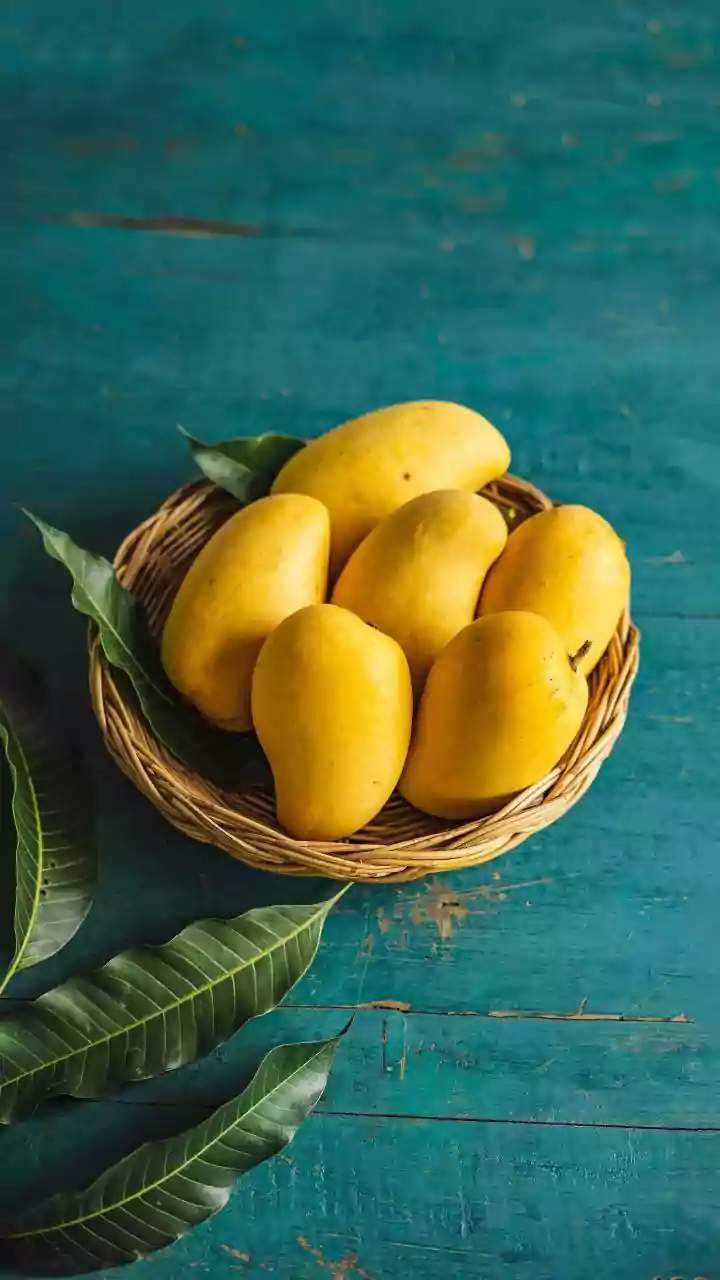
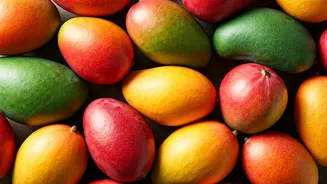
For an American palate accustomed to one or two types of mango at the grocery store—likely the sturdy, reddish Tommy Atkins—the sheer diversity here is staggering. The festival showcases over 500 varieties, each with a distinct name, history, and flavor profile. Imagine rows upon rows of mangoes: the legendary Alphonso from Maharashtra, with its creamy, non-fibrous flesh and saffron-hued skin, often called the 'King of Mangoes.' Then there’s the Chaunsa from Uttar Pradesh, so honey-sweet and juicy you’re advised to just puncture the top and drink it. Or the Langra, a green-skinned variety from Varanasi that packs a surprisingly tangy-sweet punch. You'll find the elegantly long Dussehri, the robustly flavored Kesar from Gujarat, and dozens of other regional heroes. It’s an education in fruit, a lesson in how a single species can contain a universe of taste and texture.
More Than Just a Tasting Menu
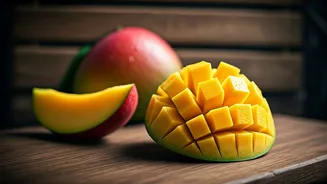
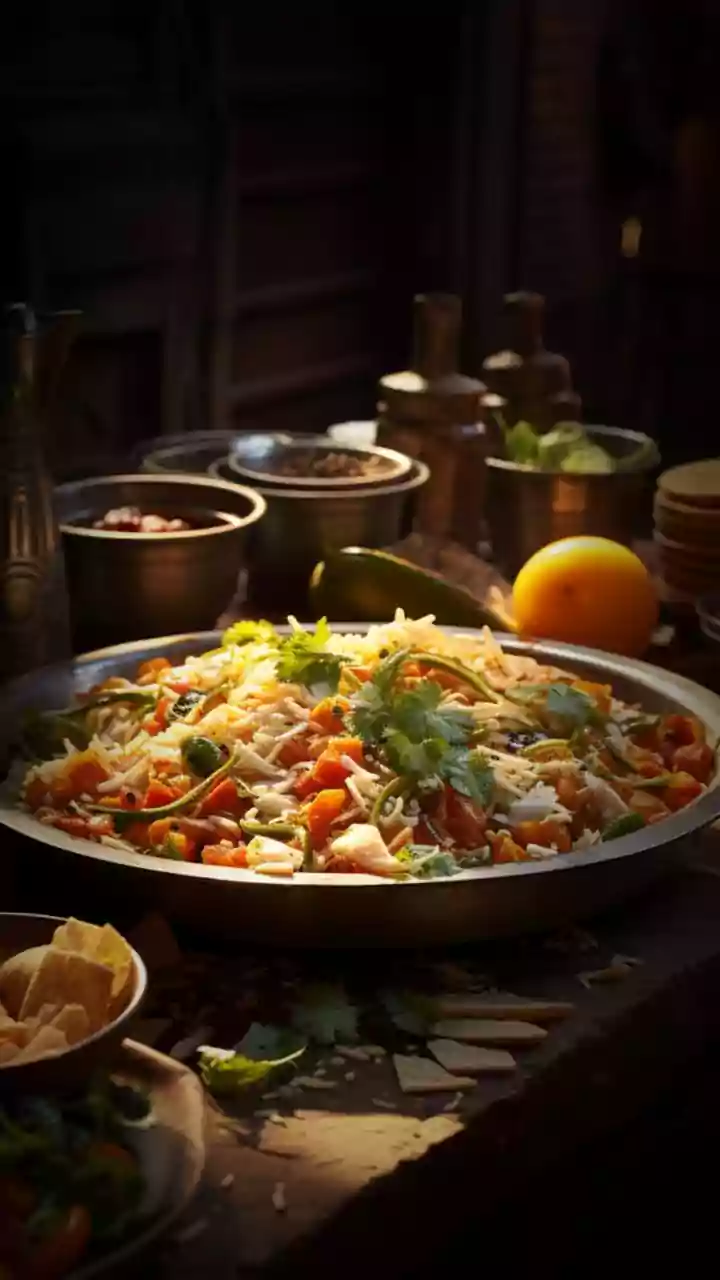
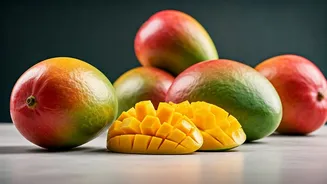
While tasting is the main event, the festival is a full-blown carnival. There are fiercely competitive mango-eating contests where participants abandon all decorum, their faces blissfully smeared with pulp and juice. Artisans display intricate mango carvings, transforming the humble fruit into elaborate floral designs and delicate sculptures. Chefs host cooking demonstrations, showing visitors how to incorporate mangoes into everything from tangy chutneys and spicy curries to decadent desserts and refreshing drinks. You can buy mango saplings to try growing your own, or purchase crates of your favorite variety to take home. Interspersed with the fruit-focused activities are cultural performances, with folk music and dance adding to the festive, high-energy atmosphere. It's a celebration of not just the fruit itself, but the joy and community it inspires.
The Heartbeat of an Indian Summer
To understand the festival's appeal, you have to understand the mango’s place in the Indian psyche. The fruit is deeply woven into the country's culture, art, and memory. For millions, the scent of mangoes is the scent of summer vacation, of childhood days spent trying to knock them from a tree, of grandmothers pickling tart, unripe fruit for the year ahead. It appears in ancient religious texts, Mughal-era poetry, and modern Bollywood songs. It's a symbol of love, prosperity, and the sweet, fleeting nature of the season. The Delhi Mango Festival isn't just an agricultural show; it’s a living, breathing expression of this national obsession. It’s where nostalgia, agriculture, and commerce converge in a glorious, sticky-fingered celebration.