
The Anatomy of a Bloom-Chaser
So, what exactly is bloom-chasing? It’s the active, intentional pursuit of ephemeral floral phenomena. This isn’t about stopping to admire a neighbor’s prize-winning roses. It’s about planning an entire trip—sometimes with just days' notice—around the fleeting
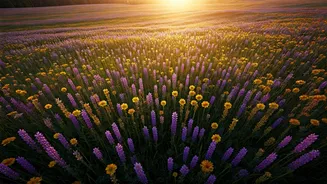
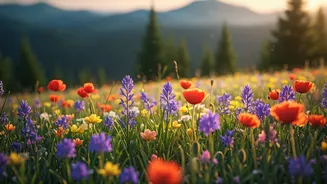
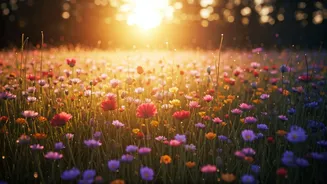
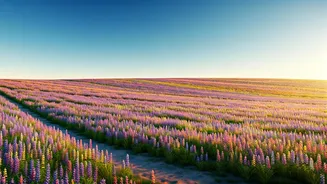
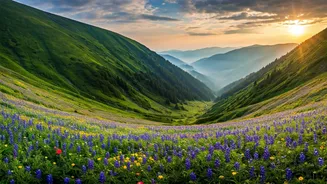
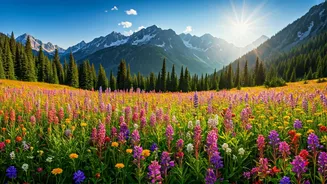
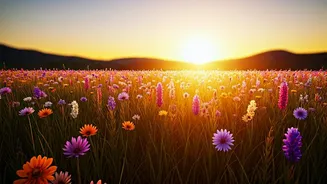
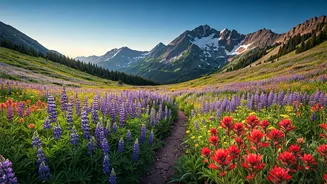
window when a specific landscape erupts in color. The most famous example is the desert “superbloom,” a rare event where unusually high rainfall coaxes dormant wildflower seeds in places like Death Valley or Anza-Borrego Desert State Park to burst forth in a carpet of yellow, purple, and pink. But the phenomenon extends far beyond California. It’s the determined pilgrimage to see Texas bluebonnets blanketing the Hill Country in April, the frantic drive to Washington’s Skagit Valley for its brief but glorious tulip festival, or the serene hunt for rhododendrons in the Appalachian highlands. A bloom-chaser is part meteorologist, part botanist, and all adventurer, trading predictable itineraries for the thrill of a natural treasure hunt.
The Psychology of the Chase
The appeal of bloom-chasing lies in its inherent scarcity. Unlike the Eiffel Tower or the Grand Canyon, a field of wildflowers is a limited-time engagement. This ephemerality creates a powerful sense of urgency and reward. You can't just show up whenever; you have to earn it by being in the right place at the exact right time. This dynamic taps into a primal desire for discovery. In a world where nearly every experience can be pre-packaged and reviewed, the uncertainty of a bloom offers a rare taste of genuine surprise. Will the flowers be at their peak? Will the crowds be overwhelming? The suspense is part of the allure. Successfully catching a bloom feels like a personal victory, a secret whispered between you and the natural world. It’s a powerful antidote to the curated perfection of modern life, offering a moment of raw, untamed beauty that cannot be replicated or guaranteed.
A Post-Pandemic Pilgrimage
The rise of the bloom-chaser personality can’t be separated from our collective experience over the last few years. After extended periods of being confined indoors and tethered to screens, there's a deep, societal craving for tangible, awe-inspiring encounters with the outdoors. Bloom-chasing is the perfect manifestation of this desire. It demands that you get out of your car, walk on the earth, and engage your senses directly. It’s an immersive activity that forces you to be present. You can't multitask while standing in the middle of a million desert sunflowers. This movement also reflects a shift in travel priorities. Instead of seeking out bustling cities or crowded resorts, many are now looking for space, quiet, and a meaningful connection to something larger than themselves. A superbloom offers a kind of secular pilgrimage—a journey to witness a natural miracle that reminds us of the world’s resilience and enduring beauty.
The Instagram Effect and Its Thorns
Of course, it’s impossible to talk about bloom-chasing without acknowledging the role of social media. A single, stunning photo of a field of California poppies on Instagram can launch a thousand trips. Platforms like TikTok and Instagram have democratized discovery, turning once-local secrets into global destinations overnight. This has been a boon for small towns and parks, which can see a massive influx of tourism dollars. However, this viral fame comes with a significant downside. The pressure to get the perfect shot has led to ecological damage, with visitors trampling fragile ecosystems, picking flowers, and leaving trails of litter. In response, many parks and conservation groups have adopted a “leave no trace” and “don’t doom the bloom” message, installing designated photo spots and pleading with visitors to stay on marked trails. The responsible bloom-chaser understands that the experience is a privilege, not just a photo op.
The New Holiday Calendar
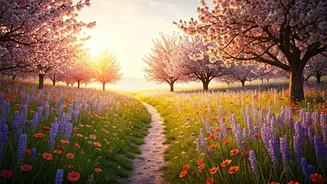
Ultimately, calling bloom-chasing a “holiday personality” gets to the heart of the trend. It signifies a fundamental reordering of one's personal calendar around natural events instead of traditional ones. For a dedicated chaser, the year isn't marked by Thanksgiving and the Fourth of July, but by Cherry Blossom Season, Bluebonnet Season, and the potential for a Superbloom. It’s a personality built on patience, optimism, and a deep appreciation for nature’s schedule. This mindset reflects a broader shift in values—prioritizing fleeting experiences over material possessions, embracing spontaneity, and finding profound joy in the simple, spectacular act of a flower opening to the sun. It’s less of a hobby and more of a worldview, one where the greatest celebrations are the ones you can’t plan for.