




A Perfect Storm of Travel and Tech
The past decade has seen a massive surge in outbound tourism from India, fueled by a growing middle class, rising disposable incomes, and more accessible international flights. This isn't just about seeing the sights; it's about documenting them. Armed
with smartphones and a desire to connect with followers, many Indian travelers have embraced the role of content creator. This convergence of accessible travel and social media has given birth to a vibrant vlogging culture. For millions, a trip isn’t complete without a steady stream of Instagram Reels, YouTube shorts, and live videos showcasing every meal, monument, and mountain view. It’s a way to share the joy, build a personal brand, or simply create a dynamic, modern travel diary.
When Content Creation Clashes with Culture
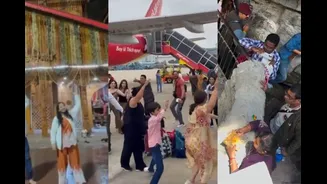
This enthusiasm, however, is increasingly colliding with local norms in destinations unaccustomed to such public displays. Viral videos have highlighted moments of disconnect that spark widespread debate. In Japan, a country that deeply values public quiet and personal space, videos have emerged of Indian tourists talking loudly on trains or vlogging intrusively in serene temples, prompting backlash both online and from locals. In Italy, influencers have been criticized for treating historic fountains like personal film sets. Similar reports have surfaced from Bali, where sacred sites have become backdrops for viral dance trends, and from serene European towns where residents feel their privacy is being invaded by constant filming. These incidents, amplified by social media algorithms, create a narrative of cultural disrespect, even if they represent the actions of a small minority.
The Local Perspective Matters
From the traveler's point of view, they're often just capturing their excitement. But for residents, the experience can be jarring. What feels like an innocent video can be disruptive in a place of worship, disrespectful in a memorial, or simply annoying in a quiet neighborhood. Many cultures operate with a stronger sense of communal space and personal privacy than the hyper-individualized world of social media encourages. In places like Kyoto or Venice, which are already struggling with the pressures of overtourism, the addition of tripods, selfie sticks, and constant narration for a distant audience can feel like the final straw. Locals aren’t just gatekeeping their culture; they’re trying to live their daily lives in cities that sometimes feel more like theme parks than homes.
A Global ‘Main Character’ Problem
While recent headlines have focused on Indian travelers, this is far from an isolated issue. It's a symptom of a global phenomenon often dubbed “main character syndrome,” where individuals act as if they are the protagonist in a movie that everyone else is just a background actor in. American and European tourists have long been criticized for similar behavior, from carving names into the Colosseum to taking inappropriate selfies at Holocaust memorials. The rise of TikTok and Instagram has simply made this behavior more visible and performative than ever before. The core issue isn't nationality; it's a digital-age mindset that can sometimes prioritize capturing content over experiencing a place and respecting its people.
Filming Smarter, Not Harder
Thinking twice before filming doesn’t mean putting your phone away forever. It means cultivating situational awareness. Before hitting record, take a moment to read the room. Is this a quiet, reflective space? Is filming even allowed? Are you blocking a path or disturbing others? Often, the best approach is to ask for permission, whether you're featuring a shopkeeper or filming inside a private establishment. Consider capturing B-roll—shots of the scenery, food, and architecture—without including unwilling participants. A short, silent clip of a beautiful temple is often more powerful (and respectful) than a loud, narrated tour. The goal is to capture the essence of a place without disrupting it, shifting the focus from “look at me here” to “look at this incredible place.”