

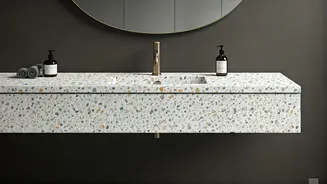

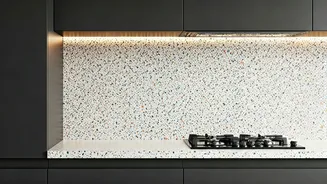


What Exactly Is Recycled Terrazzo?
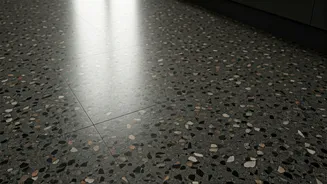
At its core, terrazzo is a composite material, traditionally made by mixing marble, quartz, granite, or glass chips into a cement or epoxy binder. It’s then polished to a smooth, uniform surface. You’ve likely walked on it in historic buildings, airports,
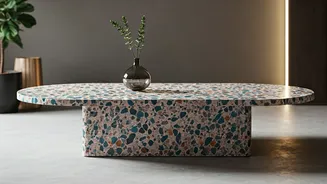
or schools without even realizing it. Recycled terrazzo takes this concept a step further by prioritizing reclaimed materials. Instead of new stone, the aggregate might consist of post-consumer recycled glass from bottles, crushed porcelain from old sinks and toilets, or marble fragments salvaged from quarry waste. This eclectic mix is what gives each slab its unique personality. The result is a surface that’s not just manufactured, but curated from fragments of the past, creating a beautiful and sustainable mosaic for your home.
An Artist's Palette for Your Countertop
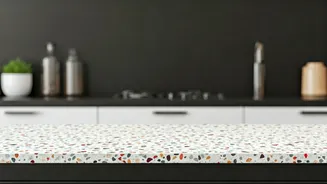
The primary allure of recycled terrazzo is its limitless aesthetic potential. While popular engineered stones aim for consistency, terrazzo celebrates randomness and variation. The mix of recycled glass can create a surface that sparkles with flecks of cobalt blue, emerald green, and amber brown, reminiscent of sea glass. A different slab might feature a muted, earthy palette of crushed porcelain and concrete. Because the aggregates are mixed and set in custom batches, homeowners can often work with designers to specify a color profile, creating a truly bespoke kitchen feature. No two recycled terrazzo countertops are ever identical. This turns a functional work surface into a piece of abstract art that serves as a focal point for the entire room, telling a subtle story through its embedded colors and textures.
Built for the Realities of a Busy Kitchen
A beautiful surface is useless in a kitchen if it can't handle daily life. Fortunately, modern terrazzo is remarkably durable. When an epoxy resin is used as the binder, the surface becomes non-porous, making it highly resistant to staining from wine, coffee, or oil. It’s also incredibly strong and less prone to chipping or cracking than some natural stones. Cement-based terrazzo, while offering a more traditional matte finish, is porous and requires a high-quality sealant to be applied periodically to protect it from stains and moisture, similar to marble or granite. Both types are relatively easy to clean with a pH-neutral cleaner. While you should still use trivets for hot pans and cutting boards for chopping, a well-made terrazzo surface is built to withstand the wear and tear of a bustling family kitchen for decades.
The Eco-Conscious Choice
In an era of increased environmental awareness, choosing recycled terrazzo is a tangible way to make a sustainable choice during a renovation. The material's primary benefit is waste diversion; it breathes new life into glass, stone, and porcelain that would otherwise end up in a landfill. Furthermore, many modern manufacturers use low-VOC (Volatile Organic Compound) epoxy binders, which improves indoor air quality compared to materials that off-gas harmful chemicals. For homeowners pursuing green building certifications like LEED (Leadership in Energy and Environmental Design), recycled terrazzo can contribute valuable points, making it a favorite among architects and designers focused on sustainability.
Budgeting and Final Considerations
Recycled terrazzo is generally considered a premium surface, with costs often falling in the same range as high-end quartz, marble, or granite. The final price depends heavily on the complexity of the mix, the choice of binder (epoxy is often more expensive than cement), and the reputation of the fabricator. While the upfront investment may be higher than for laminate or butcher block, its longevity and durability make it a cost-effective choice over the long term. Because it’s a specialized product, it's crucial to work with an experienced installer who understands how to properly handle, cut, and seal the material to ensure a flawless and lasting finish. It’s a commitment, but one that pays off in both form and function.